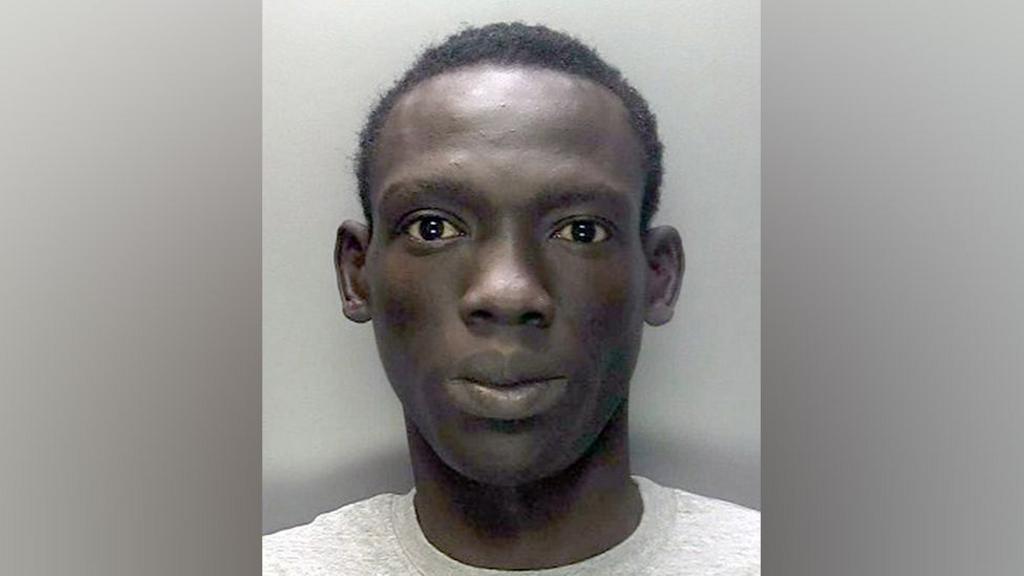
In July 2024, a Sudanese man named Deng Chol Majek entered the UK illegally, crossing the Channel in a small boat. Majek travelled through Libya and Italy before arriving in Germany. There he claimed asylum, which was refused. So he made his way to Britain. Majek claimed to be 18, and applied for asylum here. He was taken to a taxpayer-funded hotel, the Park Inn in Walsall, where he lived at our expense. During his time at the Park Inn, Majek was reported to hotel security having ‘spookily’ stared at three female members of staff for prolonged periods.
On 20 October 2024, Majek spent the evening staring ‘intimidatingly’ at female members of staff. Rhiannon Whyte, a 27-year-old mother, was one of the women working that evening. When she finished her shift she left the hotel and walked to nearby Bescot railway station. Majek followed her. At the station he attacked Rhiannon with a screwdriver, stabbing her 23 times. Eleven of those blows injured her skull, with one wound so deep that it pierced Rhiannon’s brain stem. Rhiannon never regained consciousness and died in hospital three days later.
Majek took Rhiannon’s phone, threw it into the river, and made his way to a local shop. There he bought beer while appearing to wipe blood from his trousers. Then Majek returned to the hotel where he danced and drank with other illegal migrants in the hotel’s car park. A witnessed described him as ‘drinking, smoking and just chatting amongst his group of friends… having a good time’.
Majek was found guilty in October and has been sentenced today. The delay was caused by a dispute about Majek’s age. He claimed to have been 18 when he entered the UK, a claim which the judge rejected today, concluding he was between 25 and 28 years old. Majek has been sentenced to a minimum of 29 years in prison.

It is hard to grasp the horror and harm committed by this one man. A young woman with her whole life ahead of her is dead. Her son, just five when his mother was torn from him, will forever be marked by this loss. Rhiannon’s family is heartbroken. Today in court they said:
‘The pain and suffering we have experienced since the horrific attack is something we still have to address every day, and I cannot see a time when this will not be the case’.
All of this was entirely avoidable. Majek should not have been here. And now the country will spend a fortune jailing this killer. In 2023/24, the most recent year for which date is available, inmates held in ‘male dispersal prisons’, those holding the most difficult and dangerous prisoners, cost £89,000. So British taxpayers will spend around £2.6 million jailing Majek for the next three decades.
None of this should have happened. Majek’s presence in Britain, at that hotel, was the direct result of policy choices by politicians and civil servants, which have been upheld or advocated for by judges and activists. While Majek is, of course, morally responsible for these crimes, so are those who have brought him, and thousands like him, to our country.
Every crime by an asylum seeker is on their hands. Every murder, like those of Rhiannon Whyte or Gurvinder Johal, is the fault of those public and civil servants. Every rape, like those in Leamington Spa, Oxford, Sutton-in-Ashfield and Hyde Park is the fault of those same people. Every sexual assault, every woman and child intimidated.
For the truth is that none of these crimes should happen, because none of these men should be here. Housing strange men, of unknown backgrounds amongst British families predictably leads to these horrors. Almost no society which has ever existed would do this. Our pathologically empathetic society is the weird exception. This must end, and when it does there will be justice. Reform have already committed to prosecuting civil servants who place us at risk. In truth this should also include responsible politicians, as well as the activists and charities who bring deadly men like Deng Chol Majek to our shores.
ENDS





Comments