
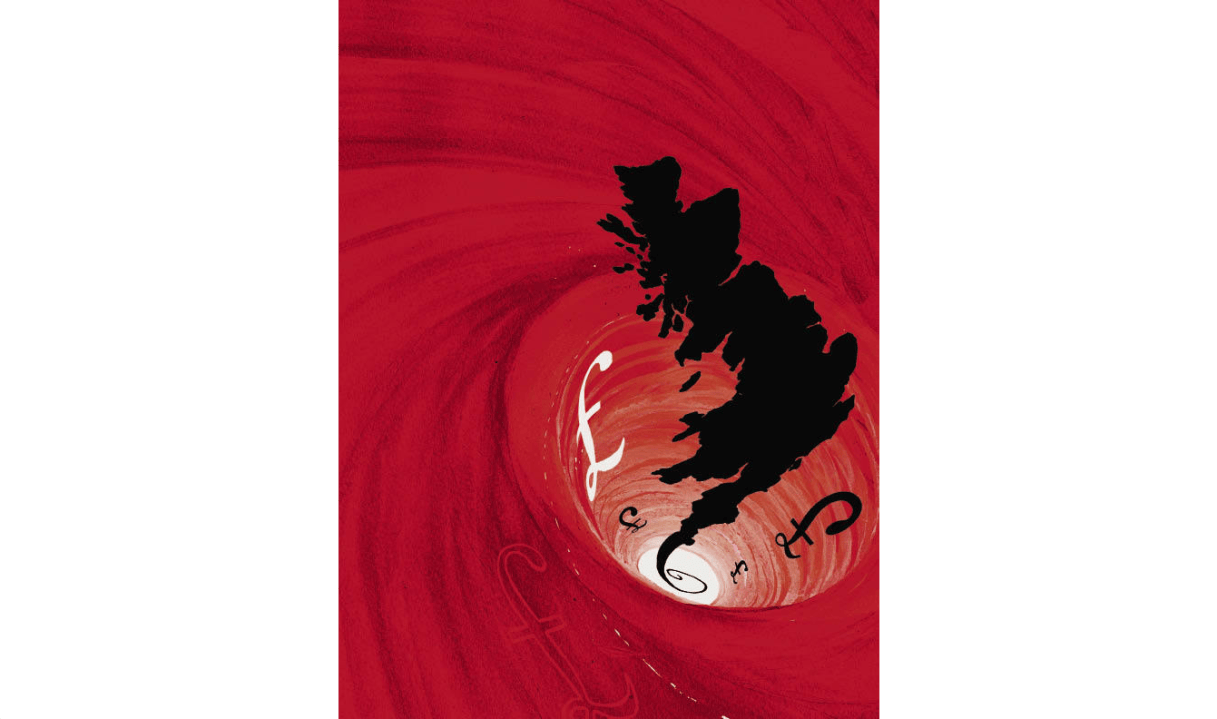
Britain is in a wage spiral – though not a traditional one. Instead, job and wage growth is surging in the public sector while the private sector struggles. Unions put pressure on the government because of the cost of living, Labour grants pay rises, the cycle continues and a dwindling private sector picks up the bill.
Figures just released by the Office for National Statistics (ONS) show that while private sector wage growth in the three months to July was flat at 2.9 per cent, it grew to 6.3 per cent in the public sector. Statisticians continue to insist that this is partly a ‘base effect’ whereby the timing of public sector pay rises occurred earlier than normal, but this explanation has been used for so long it is no longer credible.
Combined total pay rises across the economy came in at 3.9 per cent. This is an important figure because, with inflation lagging behind earnings at the moment, 3.9 per cent is the figure by which the government is likely to increase the triple lock. This pushes the state pension from around £12,500 a year to around £13,000 a year and will, for the first time, bring those in receipt of purely the state pension above the income tax threshold. But fear not dear pensioners! The government has already promised that those living solely on the state pension will be removed from the income tax system entirely this parliament while fiscal drag squeezes the incomes of everyone else.
Meanwhile, there was grim news across the economy as a whole, with the number of payrolled employees collapsing by 145,000 over a year and by 26,000 between July and August alone. These figures are volatile and always get revised, but take a longer view and the picture is a clear one: 222,000 payrolled jobs destroyed since the election.
With the benefit claimant count ticking up, redundancies higher and job vacancies at their lowest level since the mid-2010s, it really is becoming hard to avoid the conclusion that we are becoming an ever larger state bursting with lucrative public sector jobs funded by a private sector that is increasingly on its knees.
There is, however, some good news. Despite all of this Britain’s economy is growing – and it’s growing with a smaller workforce. That means that productivity growth has to be up. Whether that’s down to AI or employees working harder is not yet clear.
The question for John Healey is whether this productivity growth is enough to combat the problems presented by a weakening labour market: slower growth of tax receipts hitting at the same time that the benefit bill increases. On current trends the answer is no.






Comments