
No. 10 (North and South alike) will be heartened by polling suggesting that the more the British public sees of Andy Burnham, the more they like him. Leader approval research by More in Common shows Burnham on a rating of plus 19 after just over a week in the job – almost double Keir Starmer’s high point at the end of 2024.
That these numbers are soft should not need saying. The metric that matters is not the public mood during the Prime Minister’s honeymoon but what they think of him once he’s a known quantity, has had to make hard decisions, and is asking for another five years in his own right. That is when we will learn how much of an electoral asset Burnham is to the Labour party.
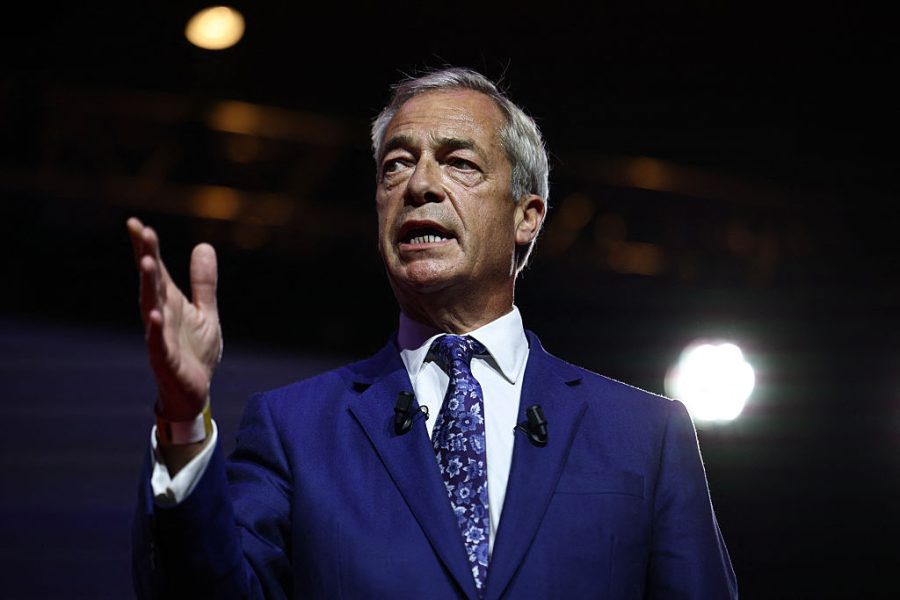
I write here to make another point entirely: just look at those Nigel Farage numbers. The same polling gives the Reform leader an approval rating of minus 32. This makes him far and away the most unpopular party leader in Britain, with even the Greens’ Zack Polanski eight points ahead of him. This is Farage’s lowest rating of this Parliament, a relative concept since not a single More in Common poll in the past two years has recorded a net positive rating. Recent reporting on his financial affairs might have contributed to the latest slump, but that wouldn’t account for his long-term, consistent unpopularity.
Farage doesn’t just rub people up the wrong way, he drives them into a tactical-voting frenzy
Farage could escape scrutiny over this while Reform was leading in the polls on voting intentions, but now that Labour seems to be re-establishing a lead, Farage becomes vulnerable. There is a segment of Reform’s base that is essentially a Farage fan club. They will happily overlook questions about donations received and some will even continue to back him if Reform slips into second place – or lower. These are Reformers who find Farage’s anti-woke persona appealing, or rather his perceived facility for riling up Reform’s opponents.
But here lies Farage’s limitations as a potential prime minister: you can’t trigger-the-lefties your way into Downing Street, not when you are this unpopular with the voters. Brits will vote in a prime minister they don’t know – see, for example, Starmer – but will they elect one they don’t like? I can’t think of the last time that happened.

There can be some snottiness around leader approval ratings. ‘It’s not a popularity contest, you know.’ Actually, it is – at least functionally. Elections aren’t moral or intellectual exercises; they are simply a show of hands. We have two solid years of polling – and plenty before that, too – that shows people will not put up their hands for Farage.
In the latest survey, 55 per cent of Brits say he is ‘doing a bad job’, but break that number down further and you will see how dire the polling is for him: among the majority of voters who think Farage is doing a bad job, three-quarters believe he is doing ‘a very bad job’. By contrast, 24 per cent rate him as doing a good job and just 6 per cent reckon he’s performing very well. Meanwhile, Kemi Badenoch is sitting on 31/32 good job/bad job, which is nothing to throw a parade over but at least indicates that the public hasn’t written her off entirely.
Reform doesn’t want to face up to this but will eventually be forced to accept that the British public has long since made up its mind on Nigel Farage. He might poll well with blokes over 55 but, unfortunately for Reform, the rest of the country gets to vote too, and they will not vote for a party led by him. What’s more, they will go out of their way to vote for whoever is best placed to keep Reform out in their constituency.
Farage doesn’t just rub people up the wrong way, he drives them into a tactical-voting frenzy. We talk about red walls and blue walls but the sturdiest barrier in British politics is the ‘anyone but Farage’ wall that Reform keeps banging its head against day after day.
It’s not as though there isn’t a market out there for populism, it’s just that the face of populism can’t be someone so wildly unpopular with the British electorate. Just as the only thing holding back Corbynism was Corbyn, all that stands in the way of Faragism is Farage.




Comments