
It’s easy to get the wrong idea about bluegrass – to imagine that this flinty shard of American traditional music is baked centuries deep into the soil of Appalachia. In fact it developed in the 1940s, pioneered by Kentucky maestro Bill Monroe, and only truly flourished during the American folk revival of the 1960s. Bluegrass was one of the few places where the hippies and good ol’ boys found communion; the Grateful Dead’s Jerry Garcia was a devotee.
The style has evolved, generation upon generation, via exponents such as Lester Flatt, Earl Scruggs and Del McCoury. The latest bluegrass star is William Lee Apostol, aka Billy Strings, a 33-year-old guitarist, singer and songwriter from Michigan, whose backstory reads like some grisly American gothic melodrama. His biological father died of a heroin overdose when he was two and his mother, Debra, and stepfather were both meth addicts. Though now free of alcohol and hard drugs, Strings struggled with his own addictions; for the avoidance of doubt, his debut album was called Turmoil & Tinfoil.

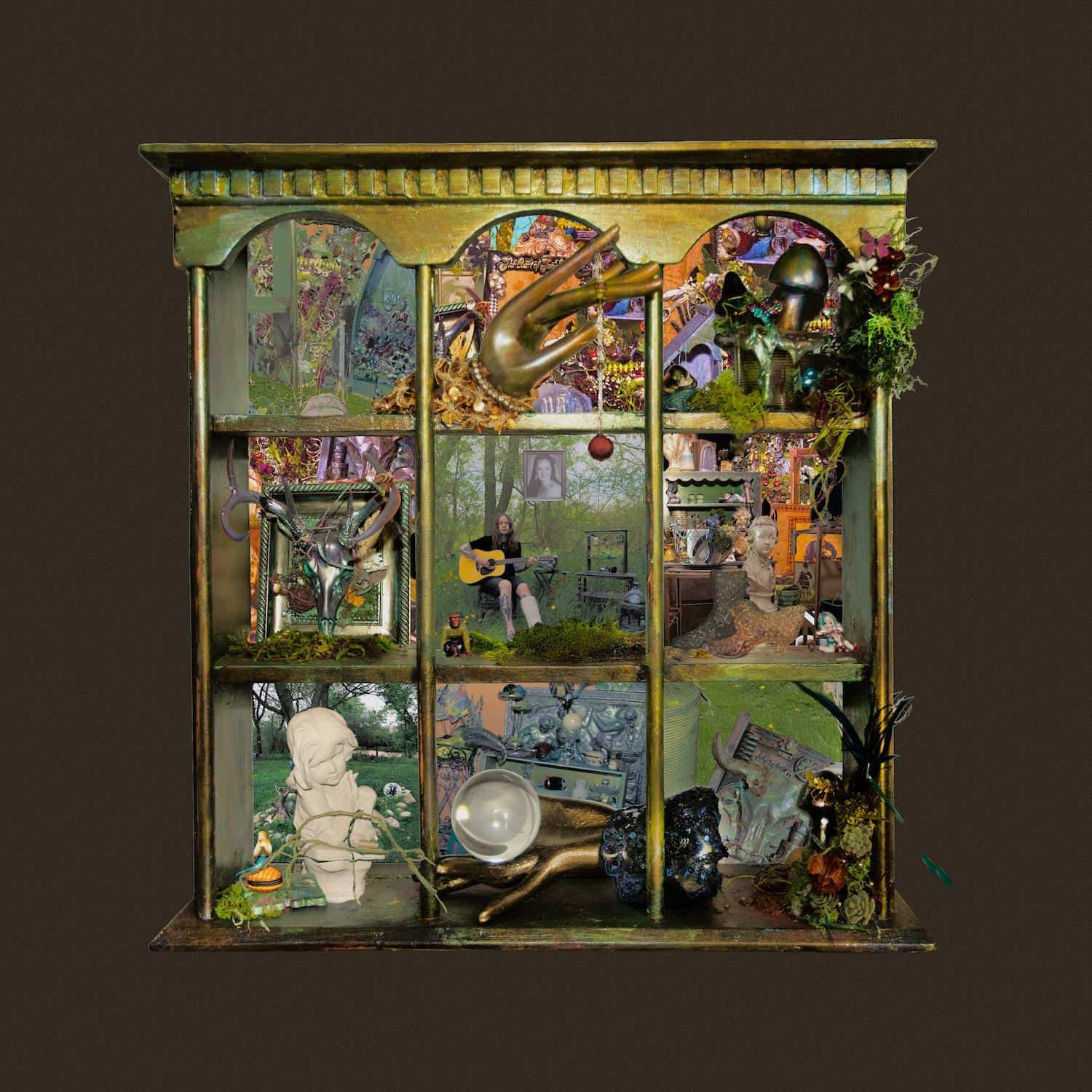
So Much for Goodbyes, his fifth, is dedicated to Debra, who died last year. It’s a double album in old money, comprising 16 tracks of often startling diversity. Some songs directly address the loss of his mother: the beautiful “Still I Crash” reads like a bluegrass analogue to John Lennon’s “Julia.” There are musings on funerals, faith and isolation, late nights when “I miss my family and struggle with my sanity.” The record ends with the elegant, understated instrumental, “Debra’s Waltz.”
It’s rarely an easy listen, but there are moments of levity. On “I Like Train Songs,” Strings notes that, while “everybody’s got a protest song for you-know-who,” he’d rather watch the “choo-choo rolling.” “I Wish I Wanted To” is a counterintuitively swaggering ode to ennui. On the spaced-out coda, Strings drawls: “Put my shit on Do Not Disturb… This couch feels pretty good.”
The sound of bluegrass is all tin-edges, driven by the sharp scrape of banjo, mandolin and fiddle, while the vocal favors a high, nasal keen. Certainly, Strings can do all of that with aplomb.
The scampering dexterity of “Bluewater Breakdown” – which has nothing to do, presumably, with Kent’s consumerist mecca – effortlessly evokes some dungaree-clad huckster chasing turkeys around the yard. “Lay Me Down” and “Light the Way” could have graced the soundtrack of O Brother, Where Art Thou? “Wrestling an Angel” is an atavistic reckoning with life and the Lord.
He knows how to honor the tradition, but Strings’s trick is to be a songwriter first and a (very fine) bluegrass musician second. “Live to Tell,” which adds drums to the core mix of guitar, mandolin, fiddle, banjo and upright bass, evokes the style of Van Morrison’s early 1970s records. “10,000 Miles from a Friend” could have been written by Jackson Browne. “Mill Town Flood,” a deceptively easy-rolling waltz adorned with glorious harmonies, bears comparison to the best of Robbie Robertson’s work with the Band.
Elsewhere, Strings pushes the genre to quite extraordinary lengths. “Burn the Other End” might be termed progressive bluegrass, with its drones and heavy metal dynamics. “Lucid Daydream” is an epic display of exhilarating musicianship. In common with the rest of this compelling record, it continually takes the listener – and bluegrass – to places they would never expect.
His father died of a heroin overdose when he was two and his mother and stepfather were meth addicts
The guest stars on So Much for Goodbyes include Alison Krauss and Del McCoury. The latter once made a very good bluegrass album called The Mountain with Texas singer-songwriter Steve Earle, who is currently playing in the Waterboys’ sprawling Fisherman’s Blues Revue tour. Playing a handful of arena dates, an expanded line-up revisits and reimagines the group’s groundbreaking 1988 album, which blended Celtic folk, blues, country and rock and roll to fine effect.
Following an opening hour that started with blunt, muddy rock and roll and ended with a spellbinding adaptation of Yeats’s “The Stolen Child,” Earle kicked off part two. He performed a mini-set of his own songs – including “Copperhead Road,” an early example of bluegrass meeting hard rock – before blending into the Waterboys, plucking mandolin and trading vocals with singer Mike Scott on “And A Bang On The Ear,” a rousing cover of the Rolling Stones’ “Dead Flowers,” and the album’s deliriously romantic title track.
An enjoyably eclectic and unruly show was elevated by the presence not only of Earle, but, in particular, fiddle player Steve Wickham and flautist Colin Blakey. The ensemble might have taken time to find its feet and its power, but throughout these musicians offered numerous moments of individual excellence.






Comments