The role of the private car in Communist societies would make the subject of a lovely thesis. In brief: only Hoxha’s Albania managed to ban them completely, in a move judged too restrictive by Pyongyang and Beijing. In the ‘freer’ states in Eastern Europe, choice wasn’t great, but the car was seen, and advertised, as a symbol of liberty and the good life. And, even under the bleakest years of Stalinism, communist newspaper Pravda (or Izvestia) would recount how Ivan or Vladimir, having worthily toiled away in farm or factory, was now the proud possessor of his own Moskvich.
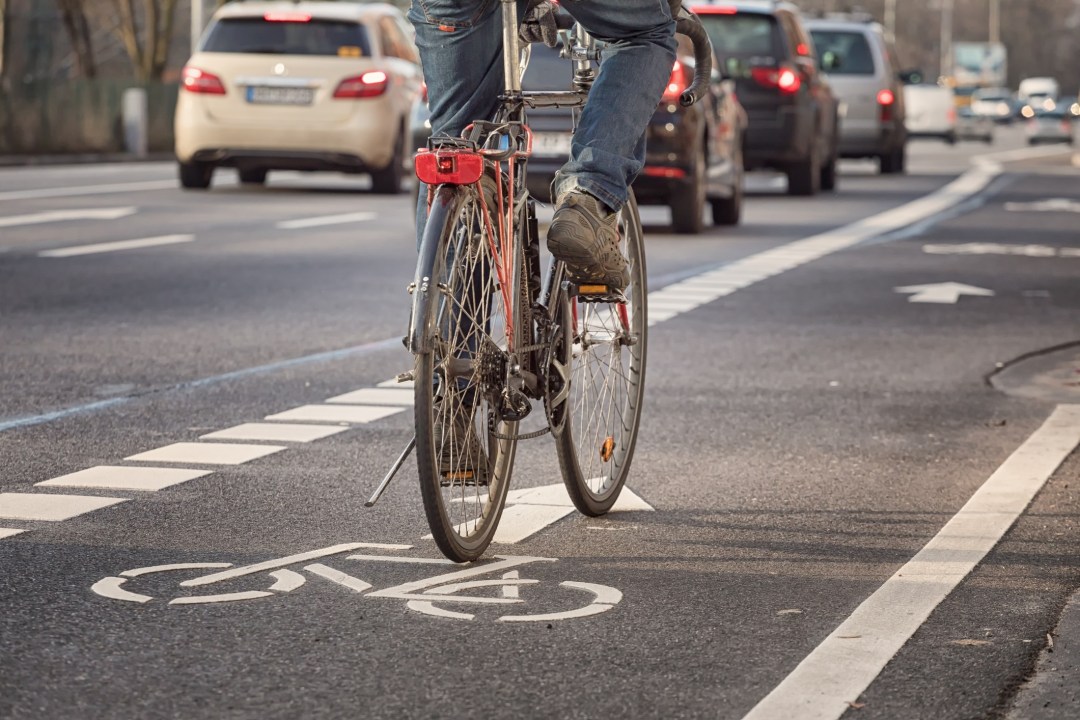
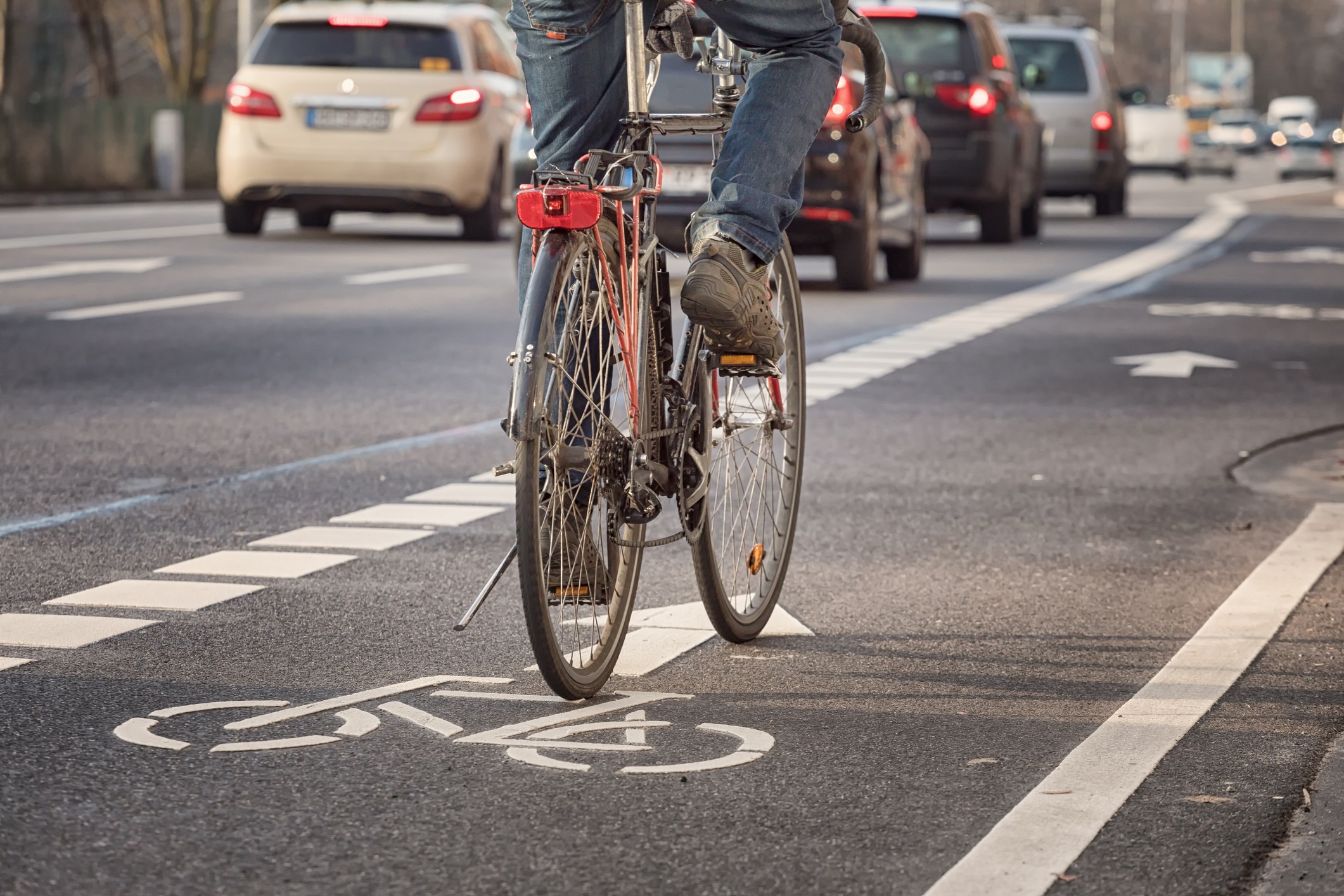
Had Pravda, back then, predicted that in a matter of decades, the abolition of the private car would be a genuine point of debate in the United Kingdom, readers might have thought the journalist was overdoing it. ‘Very satirical’, a Muscovite might mutter on reading reports of vigilante cyclists, cameras strapped on heads, dobbing in drivers who failed to keep a 1.5 metre distance while overtaking. Nonetheless, this is the stuff of 2026 Britain, where increasingly fractious tribes, two wheels versus four, wage online war against each other.
As a Councillor, missives from both sides are never far from the top of my inbox. Just click on one post and you get sucked in. In these battles, drivers are ‘carbrains’, ‘motonormatives’, selfish gammons too fat or lazy to consider other modes of transport. Cyclists are ‘pedalphiles’ (with the grubbier subgenre of ‘bike nonce’), Lycra-obsessed eco-zealot deviants, hellbent on removing your liberty while setting a personal best. On the two-wheeled side, video footage is weaponised, be it CyclingMikey the Unspeakable uploading some of the 2,491 drivers he has reported since 2019, or endless reels of near misses in Richmond Park and the Surrey Hills. But there is plenty of material from the other side, too, largely featuring red lights, pavements, and cyclists being rudely introduced to Newton’s laws of motion.
The debate, if anything, gets even more heated when the discussions turn from the general to the particular. Low stakes famously make for malicious politics, and arguments about cycle lanes, low-traffic neighbourhoods and 20mph limits unleash the Genghis Khan element lurking within the British middle classes. Newly-elected in London in 2022, being lobbied on these issues was an eye-opening experience.
Performative stances can and should be dismissed as unserious: no point in wrestling with a pig if you get dirty and the pig enjoys it
Innocuously named accounts – be they Resident Action Groups, Environment Associations or Justice Networks – trade vicious barbs, cheerfully joined in by jauntily nicknamed individuals throwing fresh straw men onto the pyre. Debates that begin innocuously enough – ‘we just want to make these streets safer’; ‘not everyone’s personal circumstances are the same’ – quickly metastasise to absurd proportions, turning personal, then brutal – the overwhelming majority from behind convenient masks of anonymity.
Who are they, these trolls? One should be generous and accept some believe what they say – perhaps having started off from a more moderate position and then been radicalised in the course of debate. Others will find it a relief to post deep-held if spicy opinions that they might find difficult to defend in normal human intercourse. There will be some individuals, too, whose views have been shaped by extraordinary – for which read traumatic – experiences.
I fear, though, that the true believers are in the minority. Very few people really believe in the abolition of the private car – there was a reason not even the Commies would go there – just as very few people really want to see cyclists taken off our roads. Performative stances can and should be dismissed as unserious: no point in wrestling with a pig if you get dirty and the pig enjoys it. But the point isn’t to find consensus, or even to discuss transport policy. It is to create anger, either for personal kicks or wider imperatives. That is something much more sinister.
Even if the policies under debate would have been baffling to our hypothetical 1950s Muscovite, the technique, of fomenting discord through rage, would be deeply familiar. First claiming the moral high ground – let’s call it ‘virtue jacking’ – you then strike at what people hold dearly. Importantly, both modes of transport represent individual liberty and project their user’s personality. You let it be known that both sides are inimical to each other and cannot coexist. And then you watch them slug it out.
Am I suggesting Handlebar12345 or FordTransitPatriot are Russian bots? Maybe not; I suspect they’re mainly in basements, surrounded by pizza boxes. But what I do suggest is that Very Online Warriors do not have our wider interests at heart. What they really want is a world of division. Possibly it makes them feel more adequate. Possibly it is a way of damaging a society they dislike. Either way, we should think twice before joining the fray.
How could we do better? One vignette springs to mind. It is of a ludicrously crowded market street in Palermo, cars, bikes and mopeds weaving around each other at distances that would send CyclingMikey’s 999 hotline ablaze. There was plenty of interaction between the people using those different modes of transport: of friendliness, because they knew one another, or flirtation, because they wanted to know one another.
They don’t get angry about dedicated cycle lanes, those Sicilians, and they prefer speaking face-to-face, and nobody wants to abolish anybody else’s car. And for that reason, they will live longer and better than us.





Comments