
Planning in your thirties and forties
Retirement may seem like a lifetime away, but the earlier you can start paying into a pension, the better. Get into the habit of paying into your pension and get to grips with the basics of planning for retirement. If a company employs you, they are legally obliged to pay into a pension for you, and you’ll also have to pay in a set amount too. The government tops up these payments.
An Isa can be a tax-efficient way of saving for the future. In particular, stocks and shares Isas can be a powerful way to supplement your pension pot, offering the potential for higher returns over time, without having to pay tax on the growth.
It’s crucial to review your pension scheme and investments regularly to ensure that you are making the most of the tax efficiencies available to you.
Planning in your fifties
Your fifties still give you plenty of time to plan for the retirement you want. By continuing to save into a pension and remaining invested, you’ll still benefit from compound growth.
Look at your pension pot and see how that will translate into a projected income in retirement. Then, decide whether that income will provide the desired lifestyle you want when you stop earning a salary. If there is a gap, calculate if it is financially feasible to make catch-up contributions.
If you have pensions with several employers consider consolidating them, as this often simplifies your financial planning and management. Don’t forget to check and incorporate your State Pension into your retirement plans at this stage.
Planning in your sixties
Increasingly, people are phasing themselves into retirement. Working part-time, for instance, not only means you continue to earn and protect valuable pension savings, it can also make the switch to stopping work that bit easier too.
You will have been allowed to access your personal pension from the age of 55 (rising to 57 in 2028), but depending on circumstances, you may want to keep paying into your pension instead, until you finally stop working.
Deciding how to take your pension is one of the biggest financial decisions you’ll ever make. There will be long-term impacts on your income and the tax you pay. When making your decision, it’s a good idea to consider the size and timing of withdrawals. Working with an expert to conduct robust cash flow planning is a valuable exercise because if you take too much too soon, you may deplete your savings too quickly, leaving you with fewer options in the future.
Planning in retirement
Just because you’re in retirement, it doesn’t mean you should stop planning your future. You’ll need to balance your income needs against how long you will live, as well as unexpected costs and coping with inflation.
Start by reviewing what your likely expenses will be over time. Earlier on in retirement, you are more active and more likely to go on those much-dreamed-about holidays. Your income needs could be more at this stage of your life, but then later on into retirement, you are more likely to need to pay healthcare costs, which can be substantial.
To keep your pension working for you, you need to ensure your capital is invested according to your risk level. Pensions have undergone significant changes – another reason why it’s a good idea to review your savings and plan for the future regularly.
Whether you’re in your thirties or sixties, retirement planning should be seen as a lifelong, ongoing process. Because, ultimately, retirement is something we should all be looking forward to. And with the right planning in place, it can be.
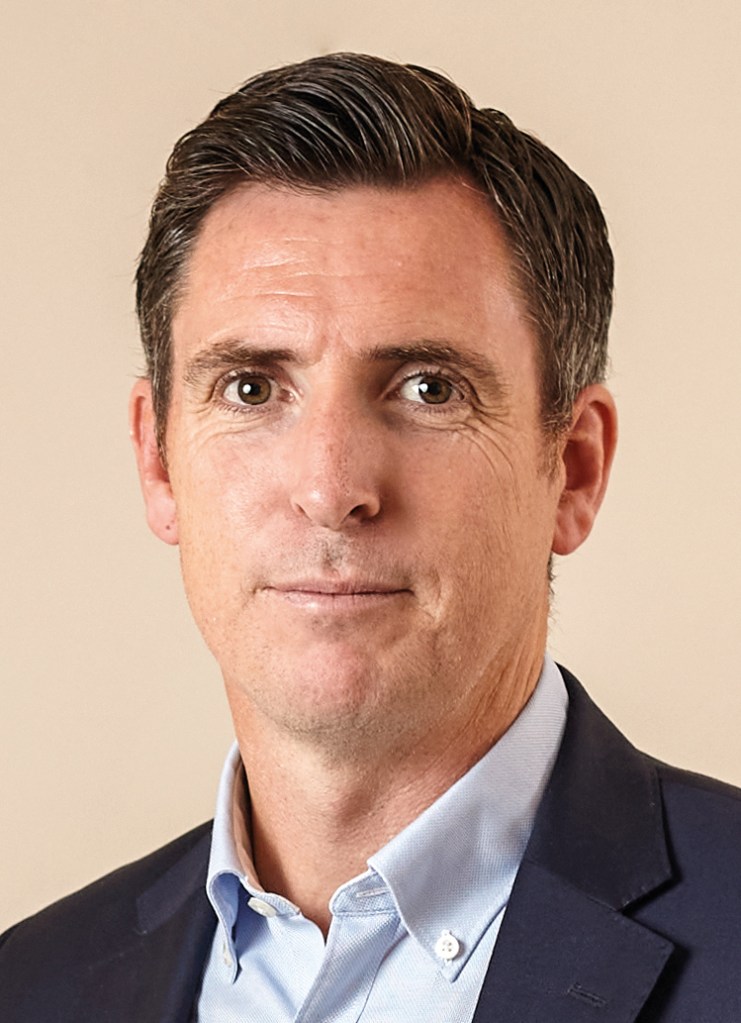
To start planning your retirement get in touch with Daniel Swift, Head of Wealth Planning, today connect@trinitybridge.com


Comments