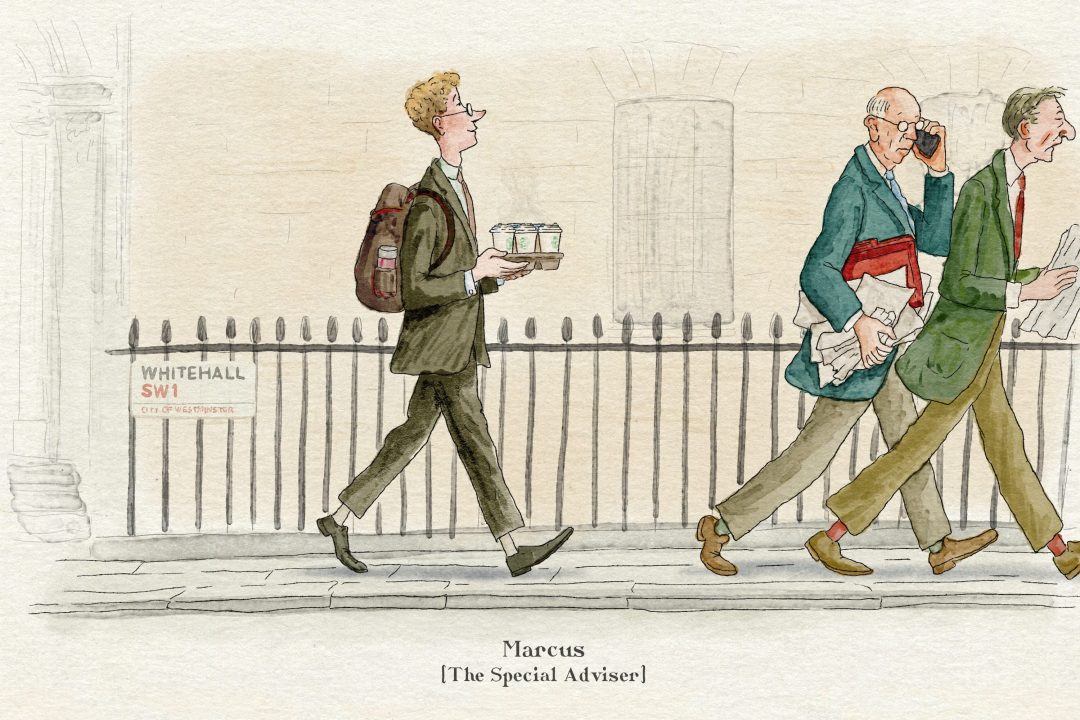
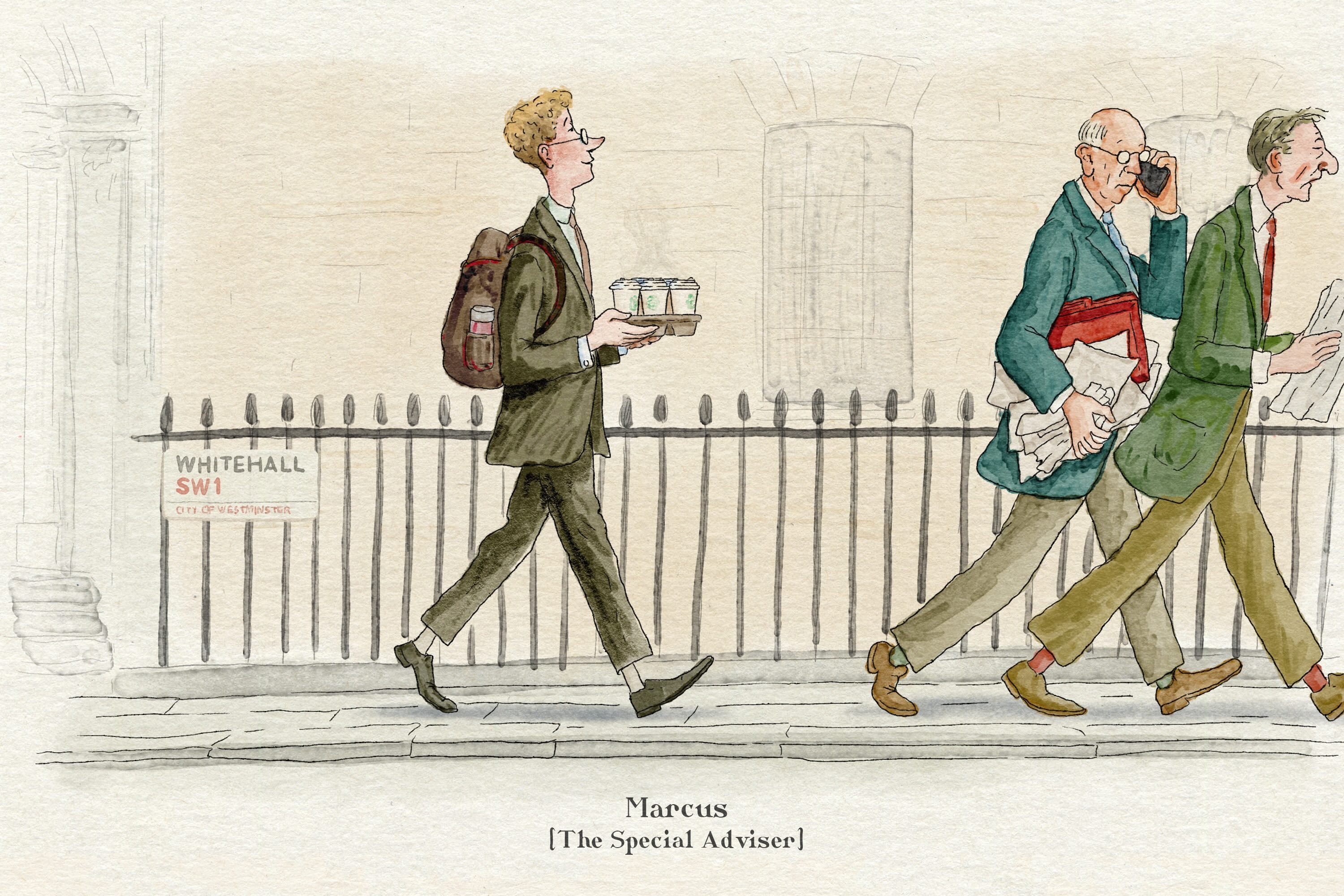
Marcus remembers the exact moment when he knew he was going into politics. He was 14, delicately poised between the arrival of the spots and the dropping of the voice and testicles. He’d always been a Tory; growing up in Great Missenden, there was no real alternative. But he had never known why he was a Tory. His grandfather might get misty-eyed while talking about Mrs T; he might have had a tender fascination with Princess Anne at a young age. Then he read The Blog.
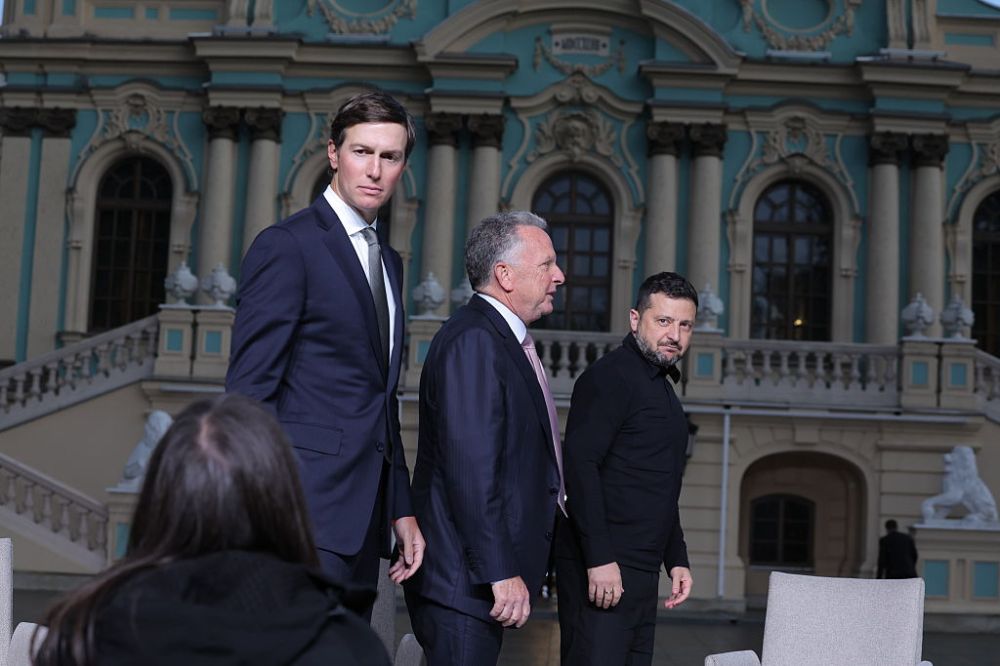
The Blog was magnificent. The Blog explained how Clement Attlee had ruined Britain. The Blog explained why the NHS was an international disgrace and the Town and Country Planning Act 1947 a noose around our necks. Soon, he was hooked. And the Blog led to other blogs – your ConHomes, and Coffee Houses, and CapXs. In short, it led to politics.
Since then, events have not entirely developed to Marcus’s advantage. Oxford were not quite as keen on his going as he was. But he made it there on his third attempt, once he realised he was far more interested in Theology than he was in Politics, Philosophy or Economics. He made a few half-decent speeches at the Union and shook Graham Brady’s hand after a talk. He smashed a glass or 40 of port at the Oxford University Conservative Association (OUCA). But he could never quite seem to make his way in student politics. Others seemed to have bigger personalities, wealthier parents or better colleges. It was not that he didn’t like St Hugh’s. But Brasenose was his right, and St Hugh’s was just that little too far out. When he organised hack parties in his room, nobody turned up.
No matter. Cameron had never bothered with student politics. Then again, Dave was by now long gone, leaving Marcus in tears when he broke his promise and resigned the morning after Britain had voted Out. Marcus was a party man, to the last. He’d made that clear to every Tory MP or think-tanker who he spoke to in Oxford. He’d gone out to bat for both Theresa May and Boris Johnson in the pages of Cherwell and secured a place on a variety of think-tank summer schools; they fleshed out a CV otherwise replete with a well-earned Desmond and ‘E-mails Officer, St Hugh’s’ as its other major highlights.
Admittedly, rising in Westminster wasn’t quite as easy as Marcus had hoped. Tory leaders kept changing, and Marcus had an unfortunate habit of picking the wrong ones. He’d hoped a SpAd job might come his way after loyal service campaigning for Liz Truss up and down the country – Liz had been very friendly – but before he could lock down that tentative job offer working for Ranil Jayawardena at DEFRA, the entire government collapsed. There was no room for him under Rishi Sunak. He had to return to chairing Conservative Friends of Albania, writing for CityAM about how high house prices were keeping him single, and retweeting James Heale.
But then Marcus had a brain wave. Perhaps the Blog had been wrong. Perhaps the Blue Team wasn’t perfect. Marcus put out a Tweet: ‘Unfortunately, the Conservatives under Rishi Sunak are not the party that I love. They aren’t serious about building. Keir Starmer has a credible plan for Britain. I’m joining Labour’. It only got 7 likes. But it was a busy news day. David Cameron had just rejoined the Cabinet.
Admittedly, switching to Labour didn’t immediately get Marcus the Spad job he craved. Bringing along that Palestine flag to the Labour Friends of Israel drinks hadn’t helped. But he kept himself busy. He did the Charles de Gaulle Future Leaders Fellowship. Slowly but surely, he got noticed. And with Labour in government, his chance was there. But it was when his SubStack explaining why farmers were dying to pay inheritance tax went viral that a job at DEFRA was his.
Marcus loved being a Spad. Making his minister’s coffee in the mornings. Lording it over civil servants. Thinking up forward-looking policy ideas – ‘Free growbags for the over-50s’, ‘Flood-resistant goats’ and ‘Street Votes for barn conversions’ were three of his best. He knew the countryside better than most in his new party and started looking for his safe seat. Admittedly, he wasn’t as familiar with Labour’s heartlands as many of his colleagues. But he trusted that one Northern post-industrial shithole was much like another.
Which is why Marcus didn’t bother to campaign in Makerfield. He was sure Starmer would fight it out against Andy Burnham – he was a Patriotic Man of Integrity, after all. But he should have learnt from David at the referendum. Just when everything was coming up for Marcus, he found himself out of a job.
Initially, he despaired. But now he was somebody. He wrote for UnHerd about how Britain needed Anglo-Peronism; he appeared on The New Statesman’s podcast to explain just how difficult he’d found it finding teabags at DEFRA. Marcus was a powerful man, an SW1 veteran, the next Prime Minister but three. Now he wonders if Reform might be interested in his ideas. Just as long as he doesn’t have to go up North to campaign for them, naturally.


Comments