Dan Jarvis has been the new Secretary of State for Defence for nearly a week now, but the decision of No. 10 and the Treasury is unchanged: there will be no more money for defence. Just a 0.08 per cent increase to 2.68 per cent of GDP between now and 2030 – not the 3 per cent that John Healey had been working to, and no plan for 3.5 per cent by 2035.
Yesterday, the Chief of the Defence Staff, Air Chief Marshall Sir Richard Knighton, laid out what that will mean in practice: cuts to the day-to-day funding that enables operations and training:
The thing that I’m most concerned about is the level of day-to-day activity funding, the resource departmental expenditure limit, because that funds operational activity and drives exercises and training. Those are the things that make sure the men and women of our Armed Forces are as ready as they can be with the equipment that they have got today, and without changes to the settlement… then those areas will come under pressure.
In other words, the Defence Investment Plan doesn’t transform or modernise the military; it makes it less ready and less capable.
Reservists have often been an easy target for bean-counters
Training allows individuals to maintain and develop their skills. And it gives teams and commanders the chance to work together and make mistakes, rather than figuring it out on the battlefield. Cutting training will delay operations and lead to more mistakes on operations. That’s why, on resigning, Healey said the spending plan will ‘reduce the readiness of our forces and increase the risk to personnel’.
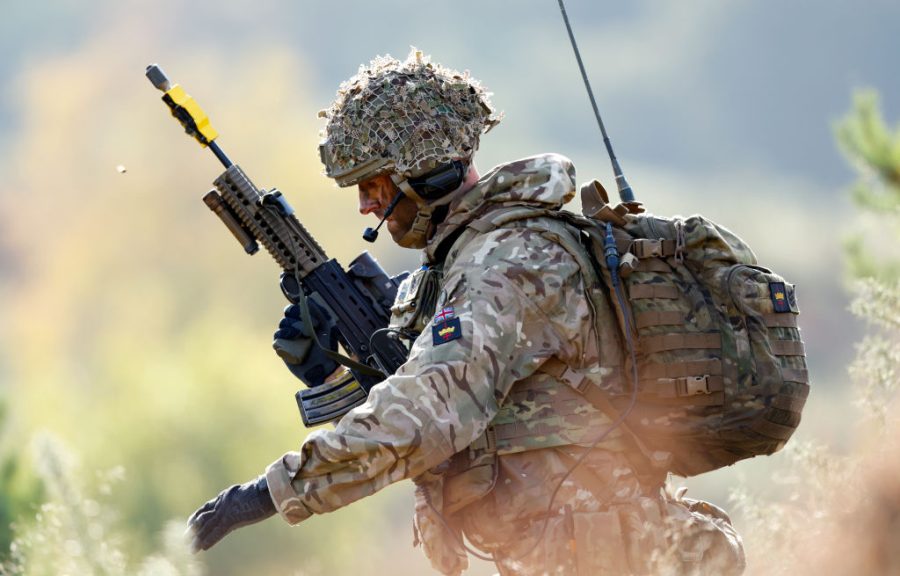
One area targeted for cuts is training days for reservists, which have often been an easy target for bean-counters. There are two main reasons why this is a bad idea.
The first is capability: reservists need time to achieve and maintain their skills. Most Army Reservists are allocated 27 reserve service days a year to do their individual training, team training, and either a promotional course or a two-week battle exercise. Beyond the rank of private, there’s also planning, paperwork, and career management to be done.

The second is morale. British reservists are volunteers, rather than conscripts. That means we must persuade reservists to turn up, because we can’t force them to. They train on weeknights and weekends on top of their civilian careers, sacrificing time with their hobbies, their friends and their families to serve. So, whilst service to the nation is part of the appeal, reservists need to enjoy their training and feel valued, or they will do something else instead.
These cuts undermine both, which damages recruiting and retention. I’ve seen, first-hand, what previous cuts did to reserve units. As the gap between exercises grows, military skills fade, and the habit of attendance is forgotten. Drill halls empty out, motivation evaporates, and the unit slowly fades away.
Rebuilding a reserve unit isn’t as simple as turning the taps back on. The longer a reservist stays away from training, the harder it is to get them to return, and we risk losing senior NCOs (with vital qualifications and experience) forever. Time and money will need to be spent on recruiting new reservists and training them up; its decisions like this that generate the Ministry of Defence’s legendary budgetary black holes.
The cuts also undermine two strategic commitments. The first is the UK’s promise to Nato of a corps-sized strategic (army) reserve. That’s 30,000 to 50,000 troops. That would require an increase in the size of the British Army and Army Reserve and an increase in the readiness of both. This would require more training days and recruitment incentives, not less.
The second is the UK’s decision to commit the British military to ‘war-fighting readiness’. But, by cutting exercises for regular and reserve forces, the military will become less ready. These cuts would prove both promises to be hollow, destroying Britain’s credibility with our allies.
This all comes on the same day that the Telegraph reported a two-year delay to the Challenger 3 tank (a programme that I had previously called a good news procurement story). That’s two years of lost capability and an inevitable increase in costs, on top of the issues with the Ajax and Boxer tank models.
Jarvis needs to make choices now and for the future. Al Carns, who also resigned last week from his role as Armed Forces Minister, specifically critiqued Britain’s obsession with procuring exquisite, bespoke systems that blow their budgets, take decades to come online, and risk being redundant on arrival. In his Munich Security Conference speech in February, Keir Starmer highlighted the duplication of many capabilities across Europe, yet Britain had forged ahead with Challenger 3 whilst seven European nations collaborated on the Leopard 2A8.
Cutting training would be the worst choice for this moment. It would leave our forces unable to deliver what’s asked of them, put service personnel at higher risk, undermine our strategic commitments, damage recruitment and retention, and leave troops less ready to use those exquisite pieces of kit when they finally arrive.




Comments