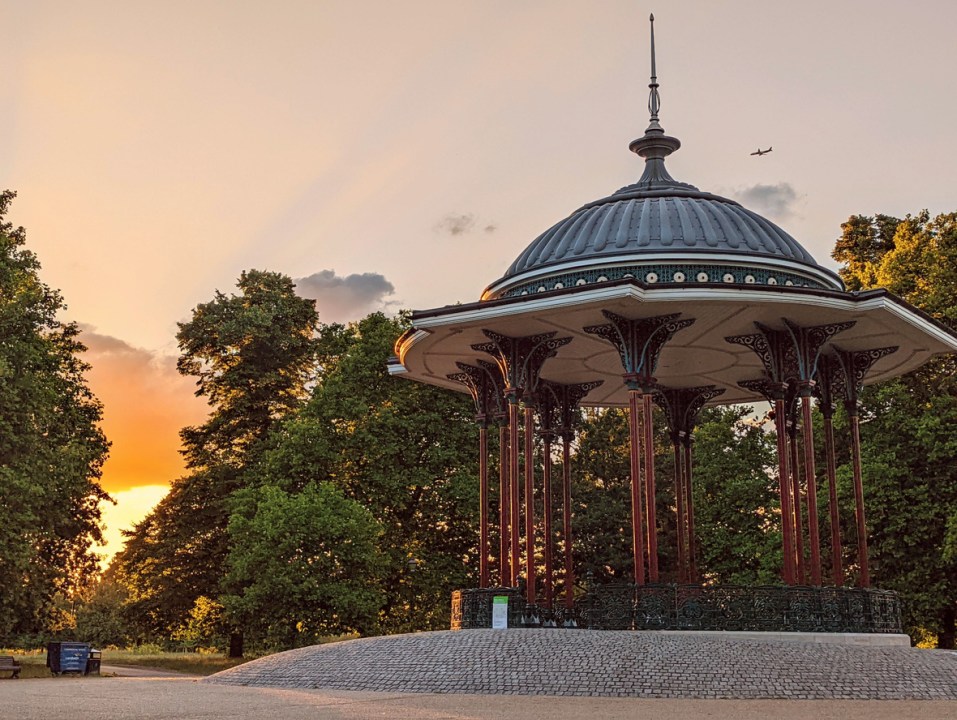
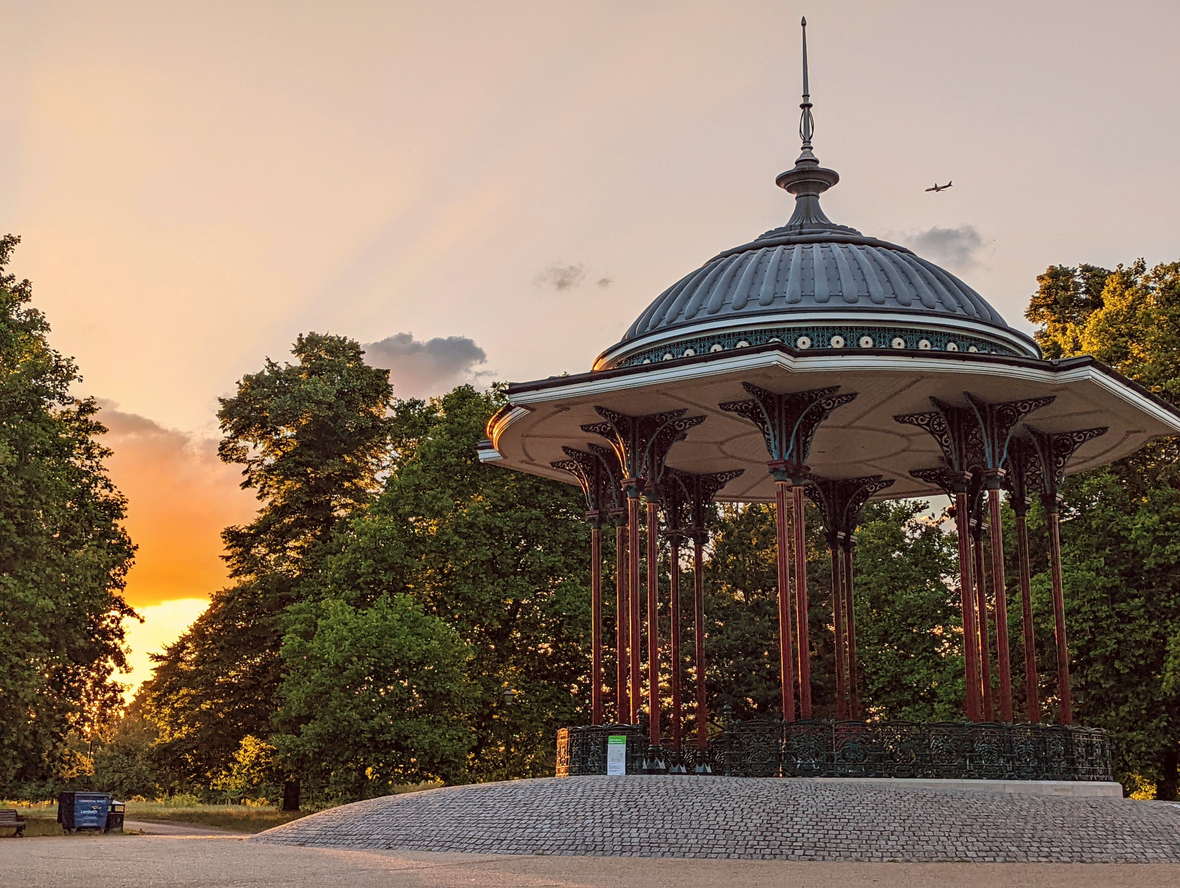
On Tuesday, I was walking from my home in Clapham towards the Common, as I do most evenings, when I encountered a large crowd of young people – nearly all wearing puffer jackets and face coverings. Their presence was menacing enough that I changed my route and hoped that they would have dispersed by the time I returned later that evening.
Unfortunately, not. By this point 300 teenagers had descended on the Common as part of an Easter holiday ‘link up’ organised online. The police later said they made several arrests after ‘anti-social behaviour and stealing from a number of businesses on Clapham High Street.’ A similar mob gathered in Birmingham on Friday.
As I approached M&S, the recently opened jewel of Clapham High Street, its entrance was guarded by police officers. I was told that it had been forced to close because of mass looting. Sainsbury’s was also guarded by officers and was closed, along with all the shops on the High Street, probably for the rest of the evening. I couldn’t find a single open shop.
We are in an unfortunate situation if hundreds of youths are able to dominate a high street in our capital city, shoplift flagrantly and commit generalised disorder without fear of punishment
We are in an unfortunate situation if hundreds of youths are able to dominate a high street in our capital city, shoplift flagrantly and commit generalised disorder without fear of punishment.
This kind of anti-social behaviour has a larger impact on society. Prosperity depends on the free exchange of goods. When criminality and lawlessness make free exchange impossible, prosperity quickly fades. The victim is not just a shop and its owner, but the whole community.
What can be done then? The immediately obvious issue is one of law and order – the law must be enforced.
Last year I attended a Clapham safer neighbourhood panel, where I was dismissed by the police for suggesting they might prosecute minor shoplifting offences, such as stealing bottled drinks. I also pressed them on their approach to cannabis users in the Common. After telling me they would take no real action, an attendee intervened, espousing the benefits of her personal cannabis consumption. The police did not blink. I appealed to the broken windows theory, explaining that these ‘minor,’ crimes lead to a sense of generalised disorder that permit ever greater crime. Evidently, the police weren’t interested.
The best way to stop crime is deterrence. If it wanted to, the state could launch mass prosecutions at speed for the Clapham looters. The summer of 2024 showed that this is possible when the state is incentivised to do so.

It should be uncontroversial to say this, but if you rob a shop, you should go to prison. Sentencing guidelines should urge magistrates and judges to view sentences as deterrents and hand out real punishments. The majority of prolific offenders do not receive prison time. Most offenders will never be charged. If they are, the sentencing guidelines ensure a custodial sentence is unlikely. This must change. Swift, mass arrests and imprisonment would stop this riotous behaviour.
However, despite early releases of rapists and others, our prisons are already overcrowded. The delivery of new prisons should then be a priority if the government wishes to restore order to our streets. With modular designs, government land and fast-tracked planning permission, it can be done. El Salvador built a prison with a capacity of 40,000 in under a year and went from the most dangerous to the safest nation in Latin America.
Law and order is not the only issue. What we’ve seen in Clapham this week is the result of long-term policy failure on multiple fronts.
One of those fronts is immigration and integration. It appeared on Tuesday that most of the youths involved in the Clapham disorder were from Afro-Caribbean and African backgrounds. Most will almost certainly be second or third generation migrants.
The Afro-Caribbean community is one of the best integrated of all migrant groups in Britian, and so this week’s scenes are particularly unfortunate. We must surely ask why the teens rioting this week are so disengaged from any sense of British common life. Is this what anyone would have imagined successful integration would have looked like when the HMT Empire Windrush arrived in Britan in 1948?
It seems noteworthy that the area’s local MP, Bell Rebeiro-Addy, recently declared that ‘to truly tackle racism, we need reparations.’ Whilst there is unlikely to be a direct link between her statement and this week’s disorder, this kind of grievance culture can lead to young people becoming hostile to the rest of society. In America, looting was explicitly justified as a form of reparations during the 2020 BLM riots.
It is also significant that 57 per cent of Afro-Caribbean and 44 per cent of black African families are headed up by a lone parent, usually a mother. Everyone intuitively knows, and the research bears out, that single parent homes mean higher chances of criminality.
None of this is simple to solve but it is increasingly necessary if we want to remain a developed nation. The enforcement of law and order – and a well-managed approach to immigration and integration – are necessary if we want to prevent scenes like this playing out in Clapham again.



Comments