
Situation update
Israeli forces carried out strikes across Iran over the past 24 hours, hitting targets in Tehran, Shiraz and Tabriz, while fighting with Hezbollah continued in southern Lebanon. At the same time, Iranian attacks on energy infrastructure were reported across the Gulf. The Israel Defence Forces (IDF) said its strikes formed part of a wide-scale wave against Iranian regime infrastructure.
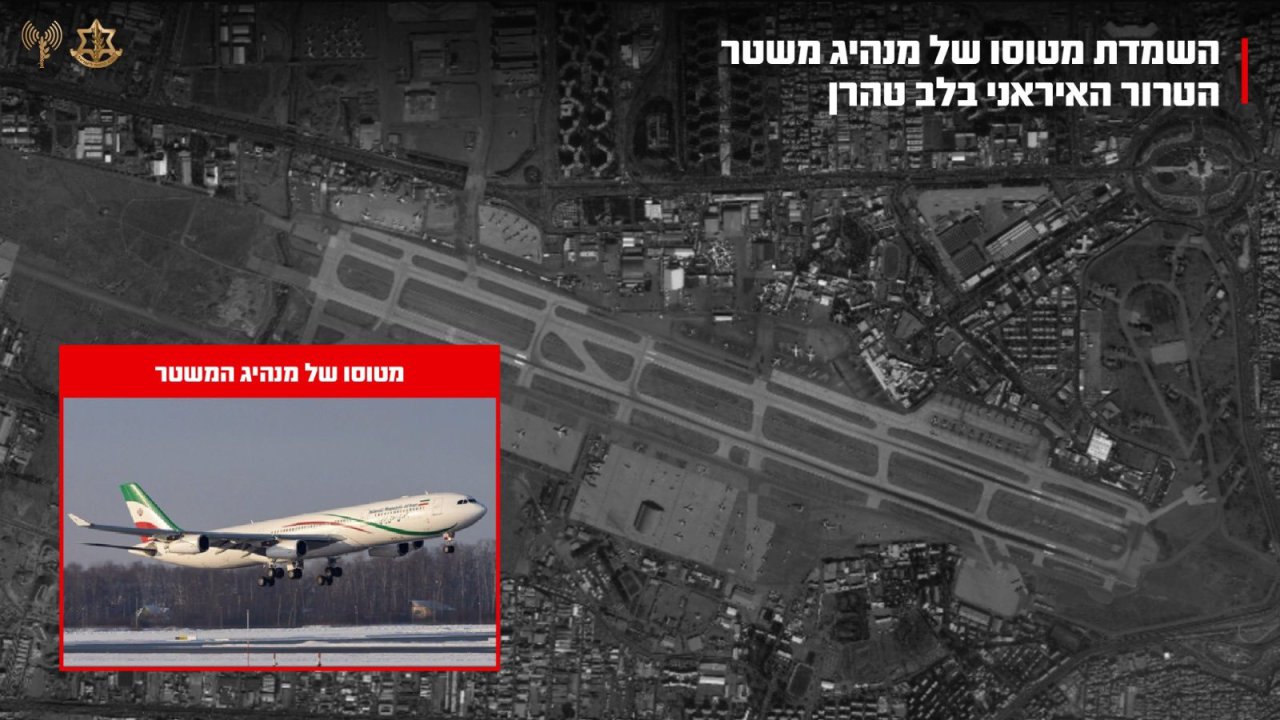
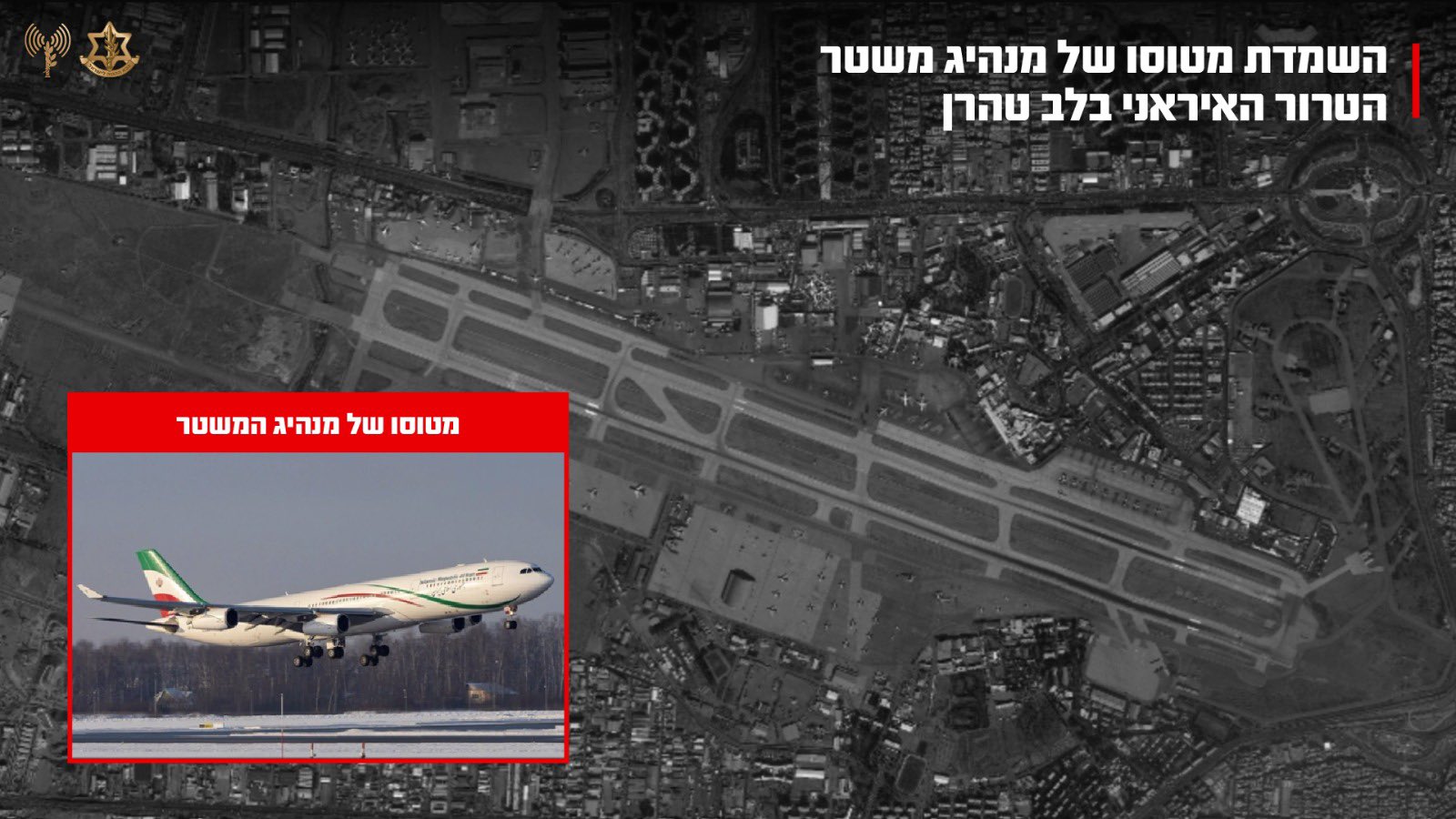
Among the reported strikes was the destruction of an aircraft at Mehrabad airport used by Iran’s Supreme Leader, Ali Khamenei, presented as a symbolic blow as well as an operational one. The IDF said the aircraft had been used for military procurement and coordination with allied states.
Tehran’s mayor said that 14,000 sites in the city had been attacked since the start of the conflict
Tehran’s mayor said that 14,000 sites in the city had been attacked since the start of the conflict, with many casualties. A Washington Post report, citing US intelligence, said the Iranian leadership is likely to remain in place but weakened by the fighting, with the Revolutionary Guards increasing their influence over internal security.
Forces from the IDF’s 91st Division have been carrying out ground activity in southern Lebanon in recent days, targeting Hezbollah positions as part of efforts to extend a forward defensive zone. During these operations, Israeli forces reported finding weapons stockpiles containing rockets, explosive devices and firearms, and said they had killed militants operating in the area. Air strikes were also carried out on Hezbollah positions where activity had been identified.
The Lebanese ministry of health reported 886 killed and 2,141 wounded since the start of the current round of fighting. Israeli military sources said more than 400 Hezbollah militants had been killed. Israeli strikes were also reported in Beirut, including in areas associated with Hezbollah.
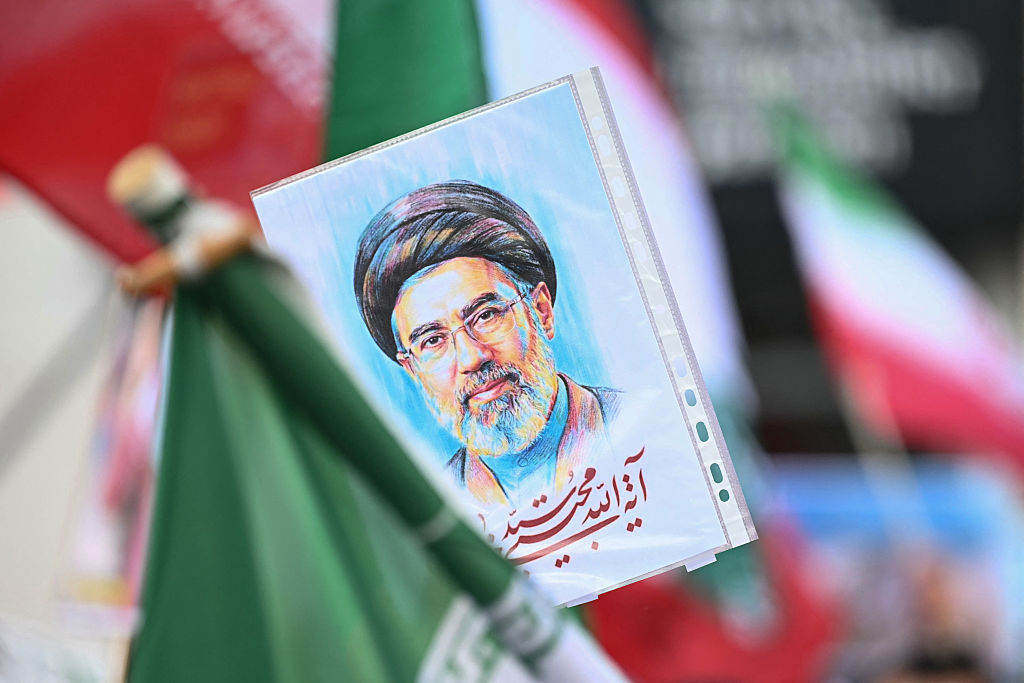
Elsewhere in the region, Iranian attacks on energy infrastructure continued. Saudi Arabia said it intercepted 56 drones targeting oil facilities in its eastern province over a ten-hour period. In Iraq, two drones struck the Majnoon oil field in Basra province, and US defensive systems intercepted incoming munitions targeting the American embassy in Baghdad.
Kuwaiti authorities said they had dismantled a Hezbollah-linked cell consisting of 14 Kuwaiti citizens and two Lebanese nationals. The group was said to have possessed drones, firearms, ammunition and encrypted communication devices, and to have been planning attacks aimed at destabilising the country.
In the United Arab Emirates, a drone strike near Dubai International Airport caused a fire at a fuel tank, leading to a temporary suspension of flights. Authorities said the fire was contained with no injuries, and that air traffic has since returned to normal, although disruption to schedules was reported. Oil loading at the port of Fujairah was also suspended following an attack, while Abu Dhabi halted operations at the Shah gas field pending a security assessment.
Shipping through the Strait of Hormuz remains disrupted. Iran has blocked oil exports from Gulf states while allowing tankers carrying Iranian crude to pass. Iranian foreign minister Abbas Araghchi said the strait was closed only to Iran’s enemies and those supporting aggression, and said Iran was prepared to continue the war if necessary. Around 20 per cent of global oil exports pass through the strait.
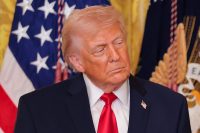
The United States continues its attempts to assemble a multinational effort to secure the waterway. President Trump has called on allies including Japan, South Korea, France and the United Kingdom to contribute naval forces. Australia has said it does not intend to send ships, while Japan’s prime minister, Sanae Takaichi, said her government is considering how to respond within the limits of domestic law.
US officials said two of the Navy’s Gulf-based mine-clearing vessels have travelled to Malaysia for a logistical stop, amid concerns about Iran’s ability to deploy sea mines in the strait.
Diplomatic contacts have continued alongside the fighting. Trump held calls over the weekend with European, Gulf and Asian leaders, and also spoke with British Prime Minister Keir Starmer. He described his relationship with Israeli prime minister Benjamin Netanyahu as ‘extraordinary’.
Jordan’s King Abdullah II met with UAE president Mohamed bin Zayed in Abu Dhabi, where both leaders discussed efforts to reduce tensions and said Arab states had not initiated the conflict.
In London, Foreign Secretary Yvette Cooper warned of the humanitarian impact of the fighting in Lebanon and announced more than £5 million in emergency funding to support aid efforts.
The United States military said that 200 American troops have been injured in the war against Iran, as the conflict continues across several fronts.

Comments