
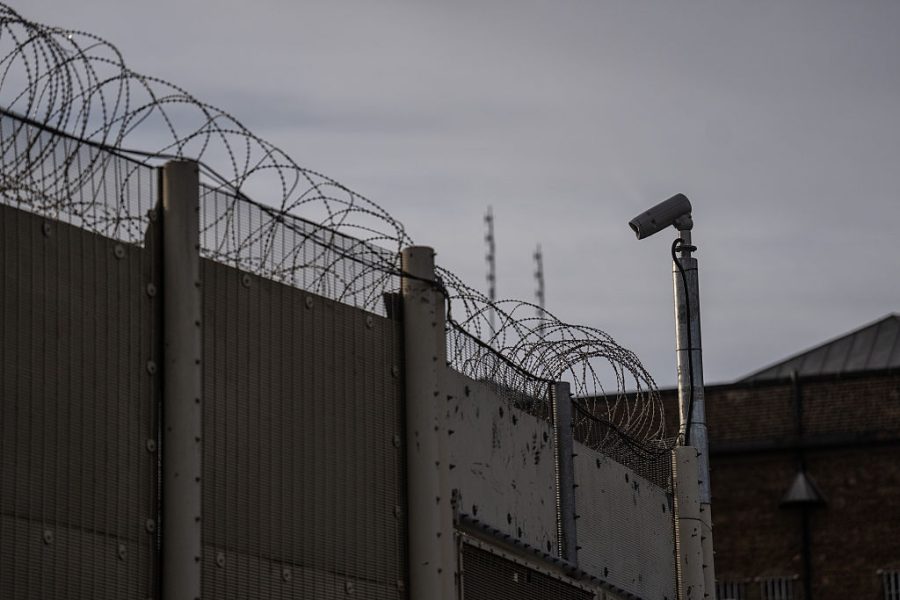
Local monitors at Britain’s newest £400 million ‘super prison’, HMP Millsike, have written to ministers to raise the alarm about plunging standards there. Millsike, a medium security category C prison in the Vale of York, opened in March last year and run by Mitie Custodial Services, has a capacity of 1,500 prisoners. It’s not clear how many prisoners it currently houses, but it’s very obvious from this red alert to prisons minister Lord Timpson that they – and not the prison custody officers – are already the ones in control.
Mitie was awarded a contract worth £329 million to run the prison in the spring of 2024. Let’s see what the taxpayer is getting in return since it opened last March. According to the letter written by the Independent Monitoring Board (IMB), the prison has been plagued by staff shortages and staff incompetence, which have resulted in basic security being ignored. This has created an environment which is so unsafe that prison monitors pair themselves up for wing visits and healthcare workers fear going in.
These conditions can’t be dismissed as growing pains
Security lapses have led to repeated lockdowns so that prisoner headcounts can be verified, meaning prisoners’ time to engage in work and education activities is severely curtailed. Drugs are readily available throughout the prison and rates of assault are high. Self-harm is also high, with support procedures for prisoners inadequate. The food is poor and delivered late in unhygienic circumstances and prisoners are often locked up for 23 hours a day, exacerbating their frustration and instability.
Prisoners frequently express little confidence in custody officers who don’t know what they are doing and resort to force too regularly. There is reportedly a shortage of even basic items for inmates. The cumulative impact of staff inexperience and ‘prolonged operational immaturity’ means prisoners transferred to what ought to be a flagship prison are enveloped in chaos and highly unlikely to be rehabilitated. The IMB caveated their letter by saying it had not undergone their formal internal fact-checking process but represented their honest opinion on the information available to them at the time.

There are two forms of defence that the Ministry of Justice and its most troublesome agency, His Majesty’s Prison and Probation Service (HMPPS), typically deploy in embarrassing circumstances such as these. The first is to say that all new prisons have teething problems and that this is just par for the course as Mitie get to grips with a new establishment. This won’t fly.
Despite the fact you might think Mitie are more used to cleaning toilets and emptying bins, they have been in the private detention game for years. They run a number of immigration removal centres on lucrative contracts, but Millsike is the first major prison they have taken on and it looks like they are making a pigs ear of it.
There was much self-congratulatory guff put out by the MoJ about its ability to throw Millsike up on time and to budget. But it appears far less time was devoted to ensuring, after multiple cautionary tales from the past, that this private contractor was capable of filling it safely with actual prisoners. It’s highly likely that our ongoing capacity crisis has meant that the slow build-up of prisoners – essential for a stable and successful new-build prison – was simply jettisoned. I doubt anyone is paying Mitie for empty cells either. So here lies at least some of the blame.
The second line of defence is that the relationship between the MoJ and private providers of custody is an arms-length one and, somehow, the ‘market’ will encourage improvement. This market consists of a baroque and clearly useless contract monitoring ecosystem at HMPPS London HQ and on site. The state is represented by a controller at the prison, alongside a deputy and assistant, whose sole focus is monitoring and enforcing the huge contract with Mitie – which is supposed to be delivering safe, secure and purposeful custody, not anarchy.
A spokesperson for Mitie said it valued the independent checks and balances of the IMB, noting that ‘opening a new prison is a significant undertaking and early operational challenges are expected.’ He said HMP Millsike was progressing through a ‘phased and carefully managed ramp up of operations’.
He said the company remained committed to ‘constructive dialogue’ with the IMB and had established an independent review board of leading independent experienced specialists to ensure its prison and immigration operations meet the highest standards. He added:
Our dedicated teams deliver professional care in often challenging circumstances, and we are proud of the commitment they show every day. We remain focused on maintaining a safe, secure and supportive environment for prisoners and colleagues.
If I were James Timpson, though, I’d be asking the multiple panjandrums sitting below him in his eyrie at St James Park why he has to be embarrassed by a rocket from local monitors to know how bad things are here. Controllers report into a ‘directorate of contracted operational delivery’ that has within it a ‘prisons contract group’ stuffed with ‘contract assurance specialists’. At the top of this somnolent pile sits the ‘executive director of custodial contracts’. Does any of this barking architecture work? Who knows – but we’re paying for it.
In the end, readers may not have much sympathy for the conditions staff and prisoners in particular are experiencing in places like HMP Millsike, which have struggled with establishing a culture where the state is in charge. The IMB ended its SOS to Timpson by saying it ‘does not consider it acceptable that prisoners should endure prolonged periods of instability, restricted regimes and compromised safety as an implicit and accepted consequence of expanding the prison estate’.
These conditions can’t be dismissed as growing pains. We have an atrocious record of reoffending in this country. Places like Millsike are supposed to represent a new modern approach to rehabilitation. If they start off as dystopian as some of our older Victorian slums, what hope is there for stopping the prisoners there from making more victims on release?



Comments