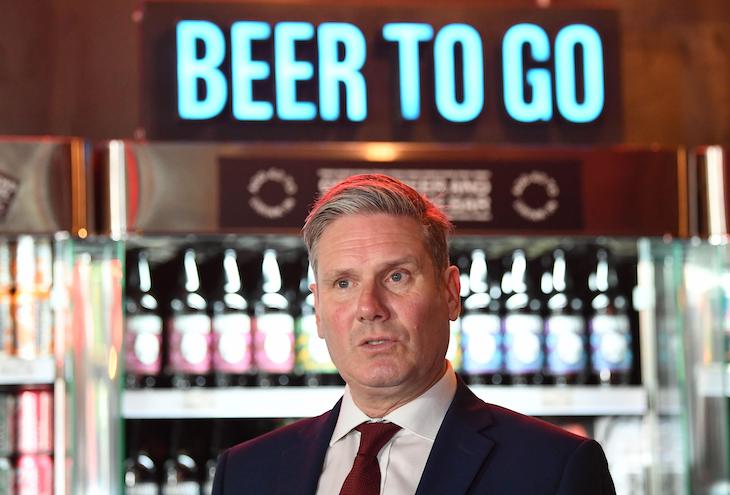
In Britain’s public houses, a rebellion is brewing. Landlords, hit hard by the Labour government’s fiscal measures – higher employer National Insurance, slashed business rates relief, and policies that threaten closures – have started discussing boycotts. The plan: bar Labour MPs from the premises as a protest against the erosion of the hospitality sector. As a pub manager approached to join this effort, I’ve considered it carefully. Yet I must reject it. Such a ban, however appealing in frustration, is anti-conservative and undermines the pub’s role as a neutral space.
The plan: bar Labour MPs from the premises as a protest against the erosion of the hospitality sector
The facts are stark. This government’s policies risk catastrophe for pubs. The Budget’s hikes are forcing closures, choking the lifeblood of rural and urban communities. Thousands of venues are at risk; jobs are disappearing fast. The impulse to strike back is natural. But true conservatism requires restraint, prioritising institutions over short-term protest.
I turn to Edmund Burke, whose Reflections on the Revolution in France warned against radical change. Burke valued society’s ‘little platoons’ – the family, church, and local groups – as the fabric of community. The pub fits here: a spot where people from all walks share space, setting aside politics for companionship. Politicising it with bans creates artificial divides, akin to the revolutionaries Burke opposed, who remade society by ideology rather than tradition. Boycotts echo the collectivism conservatives reject: grouping individuals into guilty categories.
Most popular
Jonathan Sacerdoti
Why is Alaa Abd el-Fattah's return a 'top priority' for Keir Starmer?
Not every Labour MP is a state bureaucrat. Many are constituency-rooted, perhaps even local patrons. Some from the Cooperative party hold mutualist views that align with conservative self-help ideals. MPs like Stella Creasy or Jonathan Reynolds have backed small businesses before; they are not the drivers of these policies. These measures – rates changes, NI rises – weren’t all individually voted on; they’re products of the system. Banning an MP for collective actions embraces collective punishment, clashing with conservatism’s focus on personal responsibility. As Lord Acton noted, power tends to corrupt and absolute power corrupts absolutely. So does the mob’s urge to blame all alike. Conservatives value individuals, not herd mentality.
This sets a dangerous precedent. The far left could retaliate: progressive spots boycotting Tories over austerity or Brexit. We’ve seen it with Wetherspoons targeted for Tim Martin’s Brexit views, or culture-war exclusions in London. Socialists would relish normalising exclusion, flipping our tactics. Conservatism, as Russell Kirk outlined in The Conservative Mind, emphasises prudence and tradition’s stewardship.
Boycotts erode the pub’s neutrality, a rare bridge in our polarised world of digital echo chambers.
The best publicans keep politics out of the pub, even if personally opinionated. Why? It’s not a platform but a people’s parliament; informal and open. As a centre-right Tory, I value liberty, tradition, and distrust big government. Yet I serve all impartially. This neutrality is wise, keeping the pub a haven. History shows: inns taking sides in the Civil War often burned; politicised bars in the Troubles became targets. The pub survives by rising above.
Resistance is essential, but make it positive. Lobby your MP – invite them for a discussion over a pint. Highlight past successes like furlough and Covid rates relief. Ally with cross-party advocates in the All-Party Parliamentary Beer Group, including Tories, Lib Dems, and some Labour members. Conservatives win with ideas and persuasion, not bans.
Banning Labour MPs may seem just, but it’s a hollow win that frays our social bonds. Let the pub stay a refuge where politics fades into fellowship. In tough times, that’s a principle worth raising a glass to.


Comments