
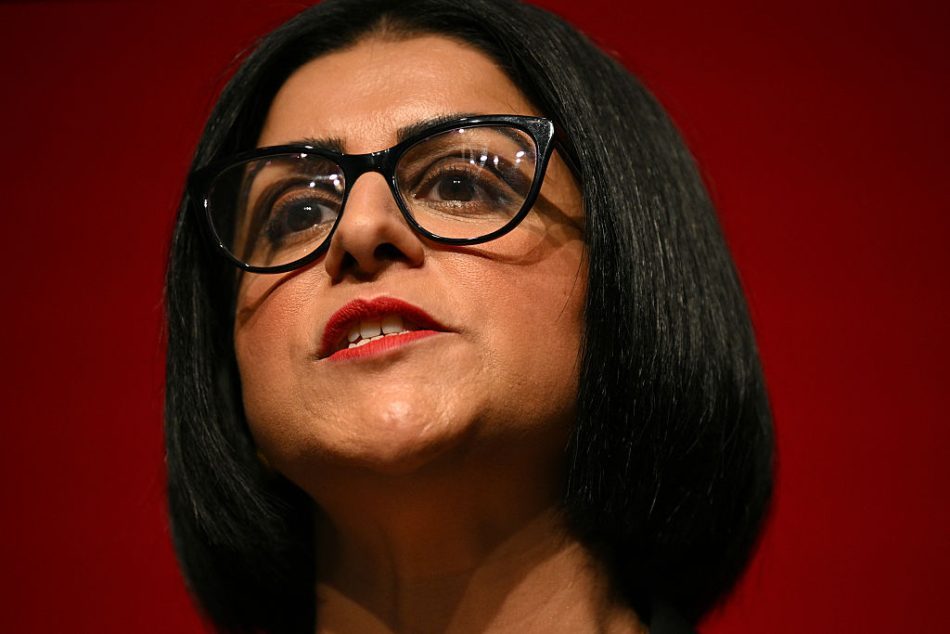
The Home Secretary has this afternoon confirmed what Westminster already knew: hyouer much-vaunted migration reforms have been sacrificed on the alter of backbench opinion. It was in September 2025 that Shabana Mahmood signalled she would overhaul the criteria by which those arriving in Britain can claim citizenship. Amid mounting public pressure about the numbers claiming ‘Indefinite Leave to Remain’ (ILR), she set out her compromise in the Commons, seeking to strike a balance between her initial proposal to triple the five-year wait time for citizenship and her Labour colleagues who fear such a move would mean a ‘shifting of the goalposts’.
In her 12-minute statement, Mahmood admitted that plans for migrant care workers already in the UK to wait 15 years for permanent settlement have now been scrapped. As long as they earn at least £25,000 and arrived in the UK before May 2025, these workers will be eligible for ILR after five years. She also dropped the requirement for any low income workers to wait for 15 years before getting ILR, reducing it to ten instead. To cover this U-turn, she tried to talk tough on illegal migrants, with those who arrive on small boats forced to wait 20 years for citizenship. A further ten years will be added for those who do not enter work or study.
With such statements, it is always instructive to look at what was in them and what was not. Mahmood made no mention today of the claim she made earlier this year, citing figures from the Migration Advisory Committee, that some £10 billion was at risk if ILR was not reformed. There was no reference either to the Home Secretary’s proposals to limit welfare to migrants with citizenship – an initial proposal that does not appear to have survived to the final plan.
Mahmood can at least take comfort from the warm reception she received. The Labour benches were in fine voice cheering her on, with Chris Philp, her opposite number, clearly hindered by the fact that he was a junior Home Office minister when the so-called ‘Boriswave’ hit the country. The subsequent criticism by Diane Abbott, the Mother of the House, who warned Mahmood about ‘another Windrush’, will be used as proof by migration-skeptics that the Home Secretary is no card-carrying member of what Philp dubbed ‘the open borders left’.
In her bid to sell defeat as victory, Mahmood tried to frame her changes as those in keeping with her party’s values. She implicitly channeled another home secretary too: Roy Jenkins, who famously turned a prisoner escape 60 years ago into a question about the opposition’s competence. In the Commons, there was only one winner today – but the country will likely not cheer these changes so warmly.






Comments