
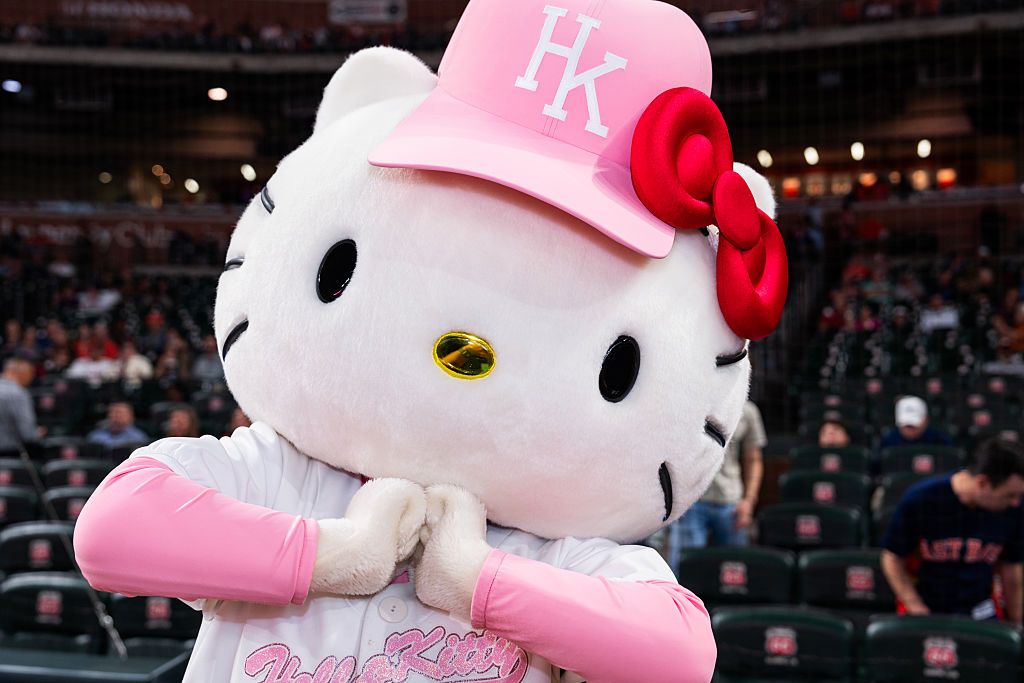
‘Hello Kitty must not dance with the far-right’ declared the Chinese newspaper Global Times in a recent editorial. This bizarre, though evocative, comment was in response to the association of Sanrio, the company behind the fictional pop icon, with a controversial Japanese TV drama Vivant. The newspaper claimed Vivant featured an ‘anti-China’ narrative. The company’s Chinese subsidiary has now severed all connections with the drama and issued a formal apology.
The second series of Vivant, which has a sort of Mission Impossible meets 24 vibe, features a scene where Chinese intelligence operatives torture a Japanese agent, cutting off his fingers. Chinese state media have alleged that this is deliberate smearing, as the forms of torture mirror those used by the Japanese in China during the second world war. To add insult to injury, Vivant appears to be a favourite of Japanese Prime Minister Sanae Takaichi (she says she records the show).
This is the latest in a series of offenses claimed by the Chinese against the Japanese
Sanrio was especially implicated as the company had rather gone to town on Vivant, with a big money commercial tie-up that saw a pop-up shop, and bizarre versions of Hello Kitty, and another of their menagerie of characters, My Melody, dressed as ‘spy figures’ from the series. These curious items may be good investments now as they are about to become collector’s items.
This is the latest in a series of offenses claimed by the Chinese against the Japanese. Last year, Prime Minister Takaichi outraged Beijing with her comments about Taiwan and how an incursion would be an ‘existential threat’, implying a military response would be justified. This followed China’s ban on Japanese seafood following the release of wastewater into the Pacific. Japanese singers have had their concerts in China cancelled and Chinese tourists told not to visit Japan.
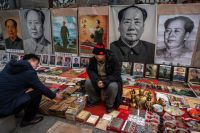
This squabble is less serious, indeed it’s almost as silly as the recent Kylian Mbappe spat (the footballer has been effectively cancelled in China for a throwaway comment about Chairman Mao). The idea that TBS (the company that produced Vivant) set out, perhaps with government support, to grossly insult the Chinese and stoke tensions is patently ridiculous. In any case, many of the show’s most evil characters, such as Japanese terrorists and corrupt Tokyo politicians, have been homegrown.
Perhaps the Chinese have been made ultra-sensitive by Takaichi’s intransigence, nay, indifference, since she took office last year. She stood her ground on her Taiwan comments, refusing to apologise, and hasn’t seemed overly concerned about building bridges since. She has also repeatedly stressed the need for Japan to revise its pacifist constitution and build up its military. She added fuel, reactor fuel at that, to the fire by stating recently that nuclear-powered submarines are on the shopping list – a prospect that was furiously denounced by Beijing.
Perhaps also, the Chinese have grown accustomed to Hollywood and elsewhere pulling its punches in depictions of their country. A report from PEN America from 2020 concluded that Hollywood had normalised self-censorship with regard to China due to the risk of the serious financial consequences of a movie being banned there.
In 2012, a fortune was spent digitally altering Chinese soldiers to make them North Korean in the historical drama Red Dawn. In 2013, ‘the Ancient One’ originally a Tibetan character, became Celtic in the Marvel movie Doctor Strange. The zombie virus in the Brad Pitt film World War Z originally came from China, but then suddenly didn’t, to avoid a potential Beijing boycott. References to gay relationships in Fantastic Beasts: The Secrets of Dumbledore were cut for the same reason.
Given all that cravenness and pandering, the Chinese must have counted on the quick climb down from Sanrio that duly followed. China is the company’s fastest-growing market, accounting for 19 per cent of its global revenue. The company has 80 shops in China and a lucrative partnership with Alifish, the digital licensing arm of Chinese online retailer Alibaba. The new character Kuromi has proved a massive hit on Chinese Tik Tok (Douyin). With huge revenues at stake, it was probably inevitable that Sanrio would fold.
But if the Chinese hoped to provoke the Japanese makers of Vivant, they appear to have been less successful, and this may be evidence of a change in mood. This possibly began in 2022 when Tom Cruise originally sported the Taiwanese flag on his flight jacket in Top Gun Maverick. It was removed, then, after a backlash, reinstated. The film was never released in China but made 1.5 billion dollars globally. Recent streaming dramas like Amazon Prime’s Expats and Netflix’s 3 Body Problem have been praised for critical depictions of issues sensitive to the Chinese.
As for Vivant, TBS played it safe in series one with the baddies coming from the fictional Asian country of Balka. By upping the ante in series two and choosing Chinese villains, they are perhaps reflecting the greater confidence in film and TV makers in facing up to Chinese threats. TBS has issued a statement acknowledging the controversy, but is standing by their programme. Stay tuned for China’s response to that.


Comments