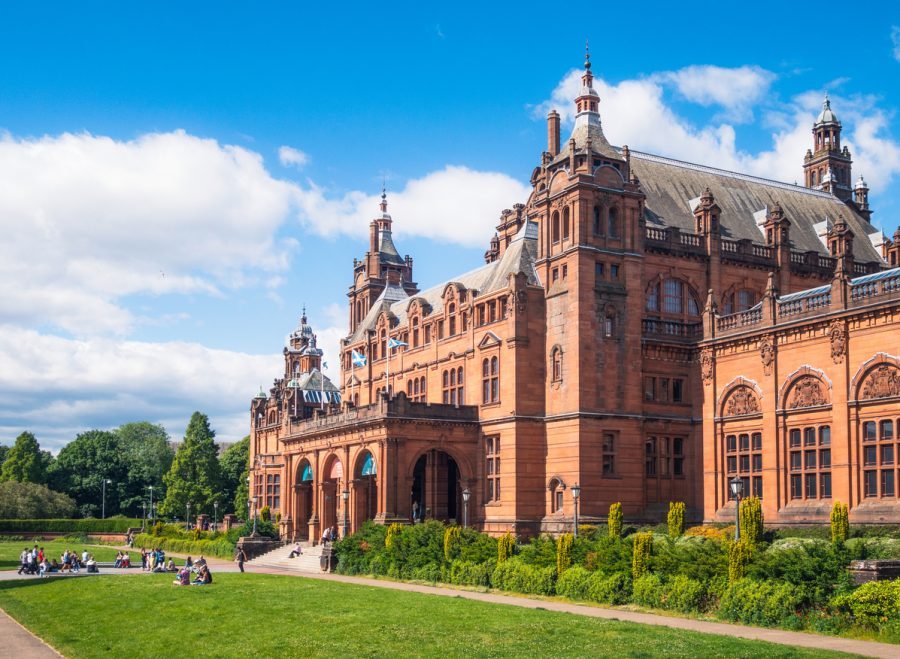
Just when we thought it might be safe to take the kids to a museum at half term, along comes the Kelvingrove Art Gallery and Museum in Glasgow to remind us of the stupidity and misanthropy of our cultural establishments. The museum has removed its mummified ancient Egyptian remains – always sure-fire winners with the public – ‘as a mark of respect’.
Glasgow Life is the oddly-named organisation apparently responsible for decisions like these in the city’s museums – have the directors and curators given up and gone home?. They won’t let anyone see the dead priest Nekht, in his remarkable granite coffin, or the mummified head of a man, among the most popular exhibits on show. According to Glasgow Life, there needs to be ‘documented and informed consent from the deceased individual’ before being displayed – something rather difficult to obtain from someone who died more than 3,000 years ago.
One wonders if anyone in that benighted organisation has ever been young and fascinated to see the preserved body of someone who lived and breathed just like they do, but so long ago. That’s how we start our lifelong love affairs with museums. Remove the objects that thrill children in particular and you’re committing cultural suicide: they won’t ever come back.
Free museums encourage curatorial irresponsibility
It’s not unusual to withdraw human remains from displays in our museums. Existing tribes and indigenous groups often disapprove and want them returned. The situation is different, however, with relics from long-dead civilisations. Evidently, the Egyptians themselves haven’t got the message about ‘respect’. The museums in Cairo are stuffed full of the ancient dead. Luxor even has its own Mummification Museum, where the remains of humans and animals are displayed and the process of mummification explained.

Justifying the decision to remove the mummies, Glasgow Life referred to the code of ethics of the International Council of Museums. This is another of those unaccountable international bodies whose every word is slavishly adhered to by western progressives while being blithely ignored by museums across the rest of the world who need and welcome visitors.
If consent is required, why stop with mummies? Did Lisa del Giocondo – Mona Lisa – give her consent to be gawped at by thousands of visitors each day in the Louvre? Would Michelangelo have consented to the ruckus in the Sistine Chapel if he’d foreseen modern mass tourism? Would Ferdinand Bloch-Bauer have commissioned Klimt to paint his wife, Adele, if he’d known of their joint fate and the fate of the painting, stolen by the Nazis, filched by the Austrians, and now owned by the Metropolitan Museum in New York? Would he have consented to the image of his beautiful wife on tea towels and posters the world over? Our museums and galleries are full of things collected haphazardly, owned by default, and displayed without anyone’s express consent.
Unsurprisingly, Kelvingrove Museum has form. Two years ago the estimable Lord Biggar, historian and ethicist, wrote them an open letter, published by History Reclaimed, after a visit to their exhibit ‘Glasgow – City of Empire’. They exaggerated the city’s role in the slave trade while diminishing Glasgow’s place in the anti-slavery movement. In a city notable for its liberal traditions, the focus was on white supremacy, racism and violence. They traduced William Burrell, the Glasgow ship owner and collector. It’s called fouling one’s own nest.
Some families will be disappointed not to see mummified remains and won’t return. Other visitors might, like Lord Biggar, be outraged by the distortion of history. ‘Go woke, go broke’ is the common phrase for this. But the relationship of stupid decisions to museum finance is more complicated than simply losing customers, for these patrons do not pay. Entry to Kelvingrove Museum is free.
It’s only in organisations in receipt of public grants and subsidies, living off taxpayers’ money, that it’s possible to remove the very things that make them popular. Imagine a business that withdrew its best-selling product for spurious ethical reasons: it wouldn’t last long. But the Kelvingrove Museum and all the apparatchiks in Glasgow Live can afford to disappoint the public. Their jobs won’t depend on popularity. They can signal their virtue and face no consequences.
Like many people, I used to believe in free museums. But the absence of commercial discipline, which, in this case and many others, leads curators to please themselves rather than their visitors, encourages museums to behave childishly: to go woke, in fact.
If the public had to pay, even a nominal amount, to see the Kelvingrove collections, and if the jobs of these highly unprofessional ‘museum professionals’ depended on a fiver for each person coming through the front door, there’d be an end to the silliness and more mummies for children to wonder at.
Free museums encourage curatorial irresponsibility. Let them live in the real world, where it’s necessary to respect not only the mummies but the public as well.



Comments