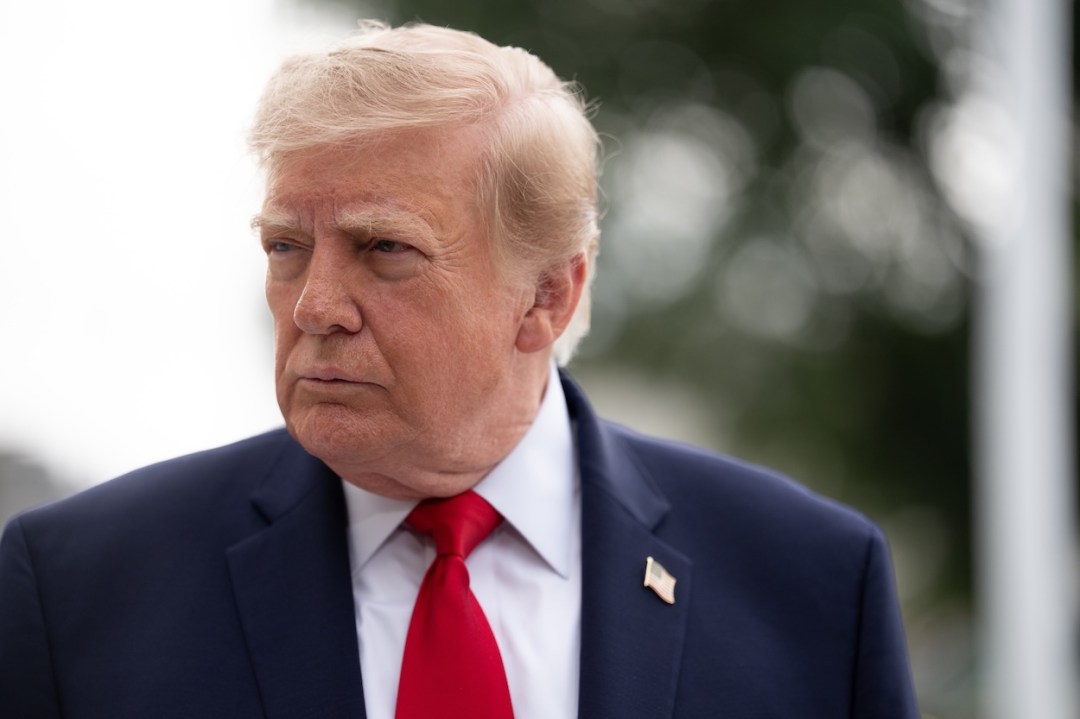
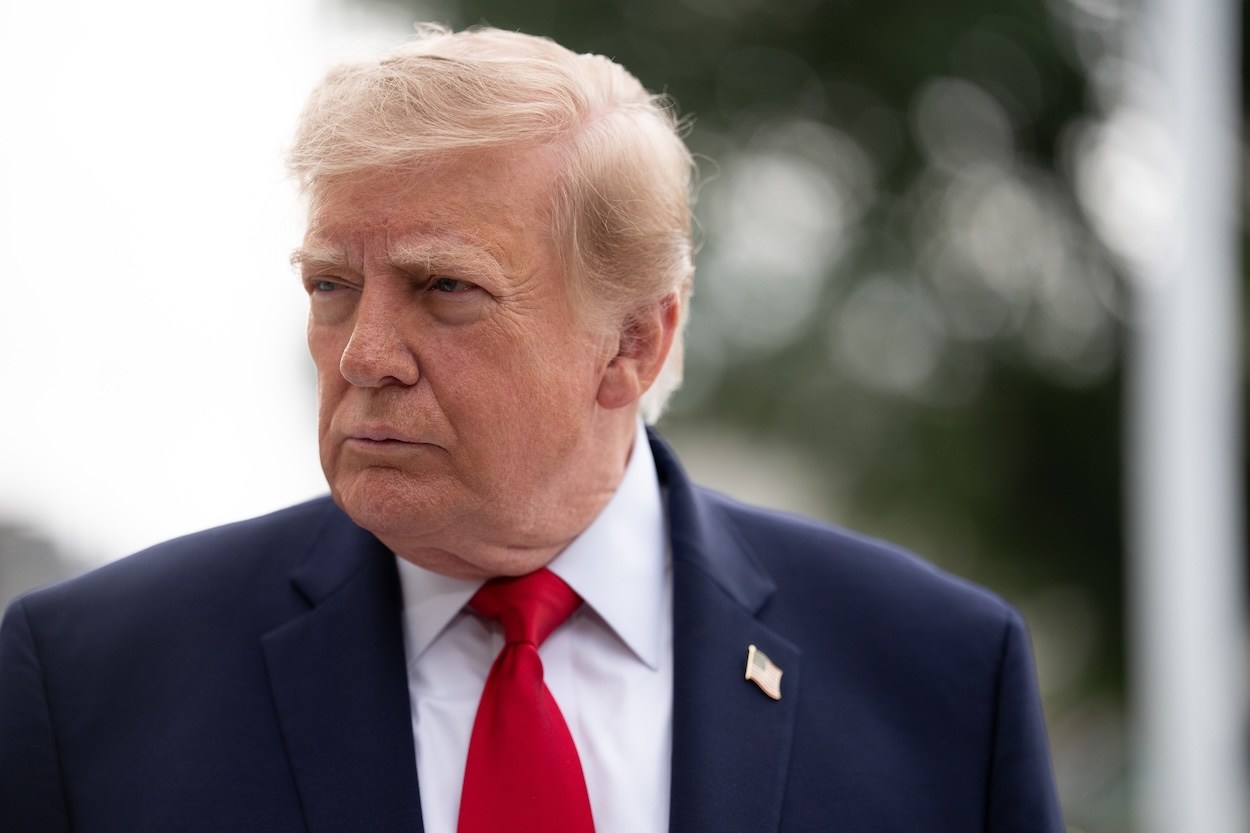
Exploiting more of our North Sea oil and gas reserves will make absolutely no difference to our energy security nor the prices we pay in the shops because the oil or gas would just be sold on international markets at the global price. We know this because Ed Miliband and others keep telling us so. Not for the first time, it has taken Donald Trump to expose the falseness of this argument.
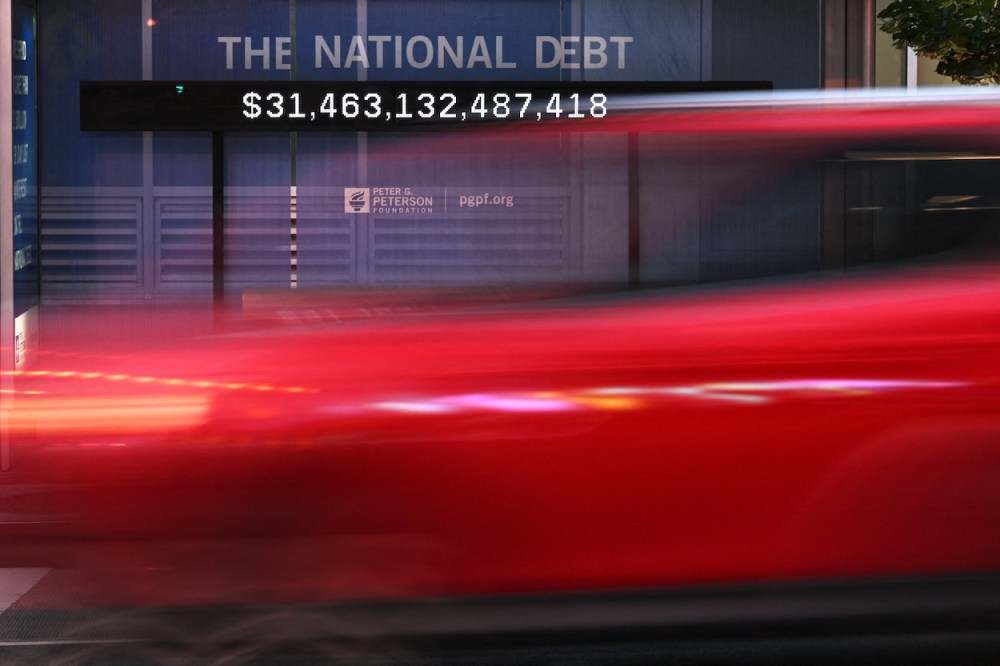
As I have written here before, it is obvious nonsense in the case of gas because there is no global gas price: wholesale prices are very regional, and are about three times as much in Europe as they are in the US. Crude oil, it is true, is traded more as a global commodity, but what will that count for if the world descends into energy nationalism just as it did with vaccine nationalism during Covid. It should have been obvious all along that in a deep crisis countries which produce their own oil and gas could decide to hold onto it, and ban exports in order to moderate inflation, and avoid shortages, at home. Trump has threatened to do exactly this today.
It is not necessarily a good idea to do this – if Trump goes ahead with his threat will send a powerful message to the rest of the world that the US cannot be relied upon as a source of commodities, and supply chains will be built with other countries instead, leaving US producers out in the cold when the crisis abates and the export ban is lifted. That is why US Energy Secretary Chris Wright, for example, is dead against a diesel ban. But it is, nevertheless, a fact of life that countries can block exports if they wish to do so. The only way to defend ourselves against this is to try to ensure that we have sufficient domestic production to see us through a global emergency. That is, after all, what happened with agriculture after the war, when we narrowly escaped being starved into submission by Hitler’s U-boats attacking food convoys from the US. Post-war governments developed policies, including subsidies, which ensured that British farmers remained in business and could wholly feed the nation if it proved necessary. That policy reached its apogee in 1984 when Britain produced just over three quarters as much food as was consumed here. Thereafter, food production declined as the EU Common Agricultural Policy was rejigged to try to flatten the grain and butter mountains which farmers had been incentivised to produce.
Generally, the free market is to be encouraged; the obvious faults of Soviet-style central planning are to be seen in every country which has gone down that route. But that should not blind us to the issue of national security, and the need to protect ourselves in the event that the global trading system breaks down as a result of war, pestilence or economic crisis. It is essential to have some sort of plan for this even if, in normal times, we should be happy to trade freely with whichever countries can supply us with the best goods at the best price. We need to preserve some native production of vital commodities and to have some means of rapidly expanding it in times of crisis.
That is why I thought the Conservative government rechristened the Department for Energy and Climate Change the Department for Energy Security and Net Zero: to make a priority of energy security after the invasion of Ukraine. But under Miliband it essentially ignored the first half of its brief. Had it taken it seriously, it certainly wouldn’t be trying to drive the North Sea oil and gas industry to a premature demise. It would be encouraging fossil fuels as well as renewables (and also making sure that our renewables are less dependent on China).
The world has been bracing for a retreat from globalisation for several years now. Trump’s threat to ban diesel exports is just the latest sign of this. We are very ill-prepared for what could follow.






Comments