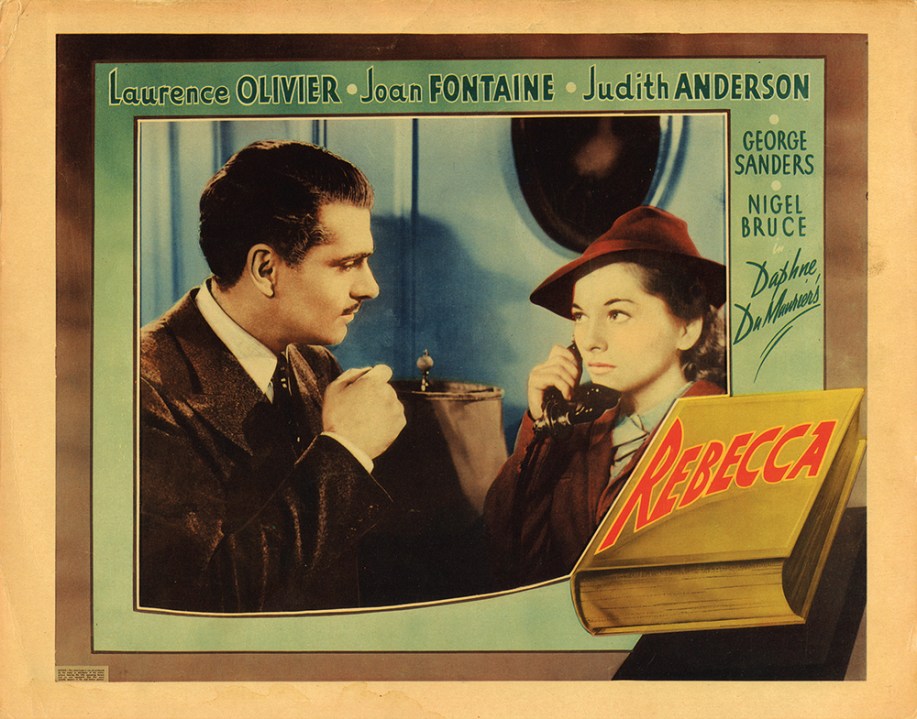
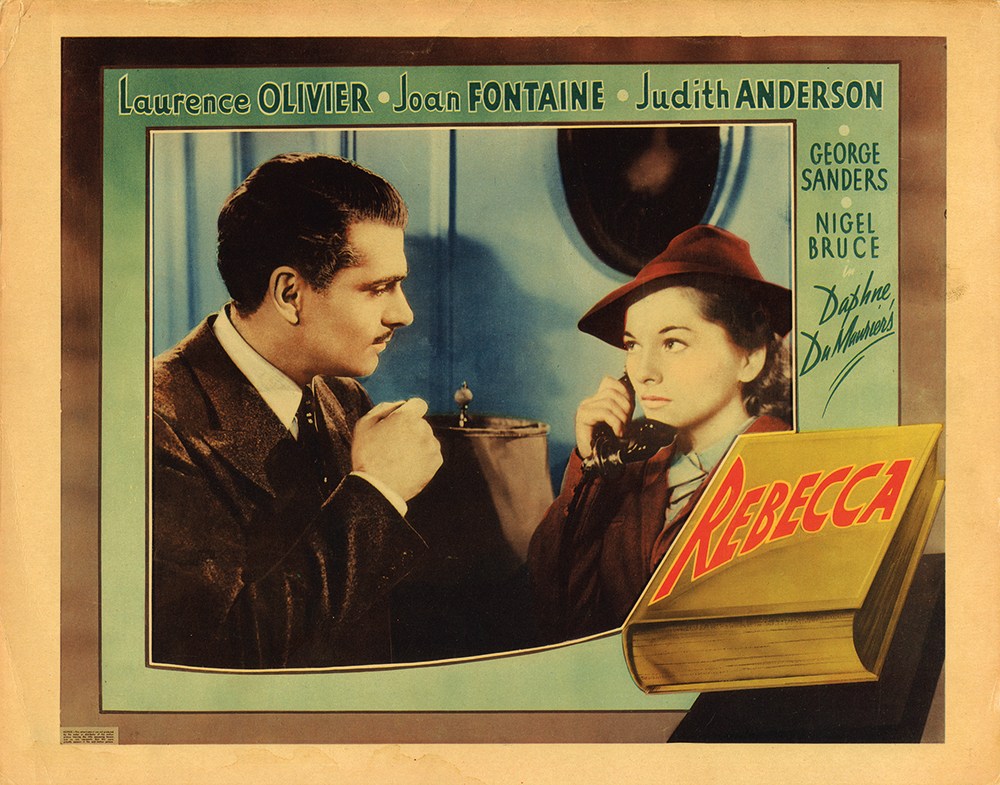
Mrs Danvers is one of those rare characters who has transcended her original setting to enter the wider culture. She has been referenced in novels by Stephen King and Sue Townsend, parodied in films by Mel Brooks and even lent her name to an American all-female pop group. She takes on further life in Rose Tremain’s The Housekeeper, a reimagining of Rebecca that speculates on the inspiration behind Daphne du Maurier’s most compelling creation.
Unlike du Maurier, Tremain affords her housekeeper a rich backstory. Now known as Danni, she was born Lilianne Danowski, the daughter of a Jewish tailor in a small Polish town. In the novel’s most poignant episode, she recalls how she was ostracised by her Catholic classmates who suspected her of spying on the lists of sins they prepared for their priests. Following the death of her mother and faced with growing anti-Semitism, she and her father emigrated to England, where she eventually took on a position at Manderville Hall.

In Tremain’s scheme, Manderville becomes the model for Manderley when, at the request of her employer, Lord Grenville-Whithers, Danni gives the visiting du Maurier a tour of the house. This includes the rooms of her late mistress, Edwina, to whose memory Danni is devoted, albeit far more benignly than Mrs Danvers is to Rebecca’s. On meeting Daphne, Danni senses that ‘she was a person who might do me harm’. Her intuition proves correct, but only after a passionate love affair, played out largely in the Manderville boathouse.
Although married to the war hero Major Frederick Browning, with whom she has two daughters, Daphne is repelled by his touch. Sex with Danni stirs memories of her teenage passion for Fernande, a teacher at her Parisian finishing school. In language reminiscent of Radclyffe Hall’s The Well of Loneliness, she confesses to Danni that: ‘Inside me, deep inside, there is a boy, I call him “the boy in the box” and I try never to let him out,’ and refers to lesbian love as ‘some fault in nature’.
Tremain subtly distinguishes the women’s experience of the relationship. For Daphne, it represents ‘the power of pure desire’; for Danni, ‘it’s a kind of divine love’. Yet Danni is not above seeking to excite Daphne by urinating in front of her. Daphne warns her that she is forced to betray her true nature in her fiction. ‘In my books, of course, it has to be the passion between a man and a woman. But no subject except passion will make any book immortal.’
While passion and its betrayal lie at the heart of The Housekeeper, for many readers its chief pleasure will be in spotting its parallels to Rebecca. Prominent in both novels are the arrival of an interloper – here, Lord Grenville-Whithers’s niece, the horsey, hoydenish Adelaide – and the staging of a costume party. It is at the party that Adelaide stumbles on Daphne and Danni in an embrace, subsequently forcing Danni to leave Manderville so as to protect her lover’s reputation.
Her intuition proves correct, but only after a passionate love affair, played out largely in the boathouse
She sets herself up as a seamstress in Truro, while clinging to the hope that Daphne, who has accompanied her husband to his military posting in Egypt, will return. But she hears nothing more of her until the publication of Rebecca, in which she finds herself traduced as Mrs Danvers. It is here that Tremain’s reimagining falters. Danni attempts to explain the vicious portrayal as expressing ‘the author’s shame at her own longings, at her own unrealisable dream’. Yet nothing in either Tremain’s fictional Daphne or the real-life du Maurier, who went on to have intense affairs with her publisher’s wife, Ellen Doubleday, and the actress Gertrude Lawrence, suggests that she would depict a former lover – let alone one who has sacrificed her own happiness for her – as ‘a woman of pure malice, a perverted woman’.
The Housekeeper has an unusual provenance, having been expanded from a short story in Tremain’s 2014 collection, The American Lover, in anticipation of a now-completed feature film starring Anthony Hopkins and Helena Bonham Carter. Though not one of the author’s major works, the combination of Tremain and du Maurier makes for an engaging jeu d’esprit.






Comments