Last night, an Irish government jet landed just outside Dublin. On board was Daniel Kinahan, alleged leader of one of Europe’s largest cocaine trafficking cartels. He was taken straight to court, charged with directing a criminal organisation and sent to prison. For years, he and his family have openly lived in Dubai. They were believed to be beyond the law, beyond punishment for their alleged crimes. Clearly, they were not.
Coverage last night and today has focused on many of the institutions involved. The Irish specialised police units, the agencies that seize criminal assets, and British police. It has also mentioned American sanctions and the huge American reward for his capture. Talks with the UAE have also received attention. But one man who was at the centre of the Irish efforts for seven years has received surprisingly little attention.
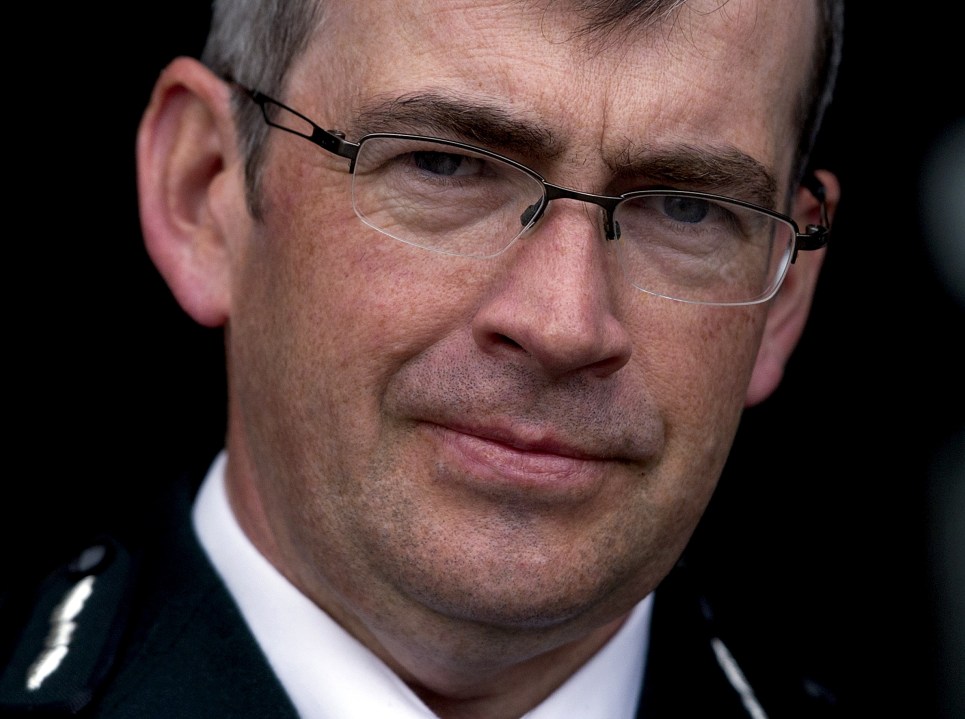
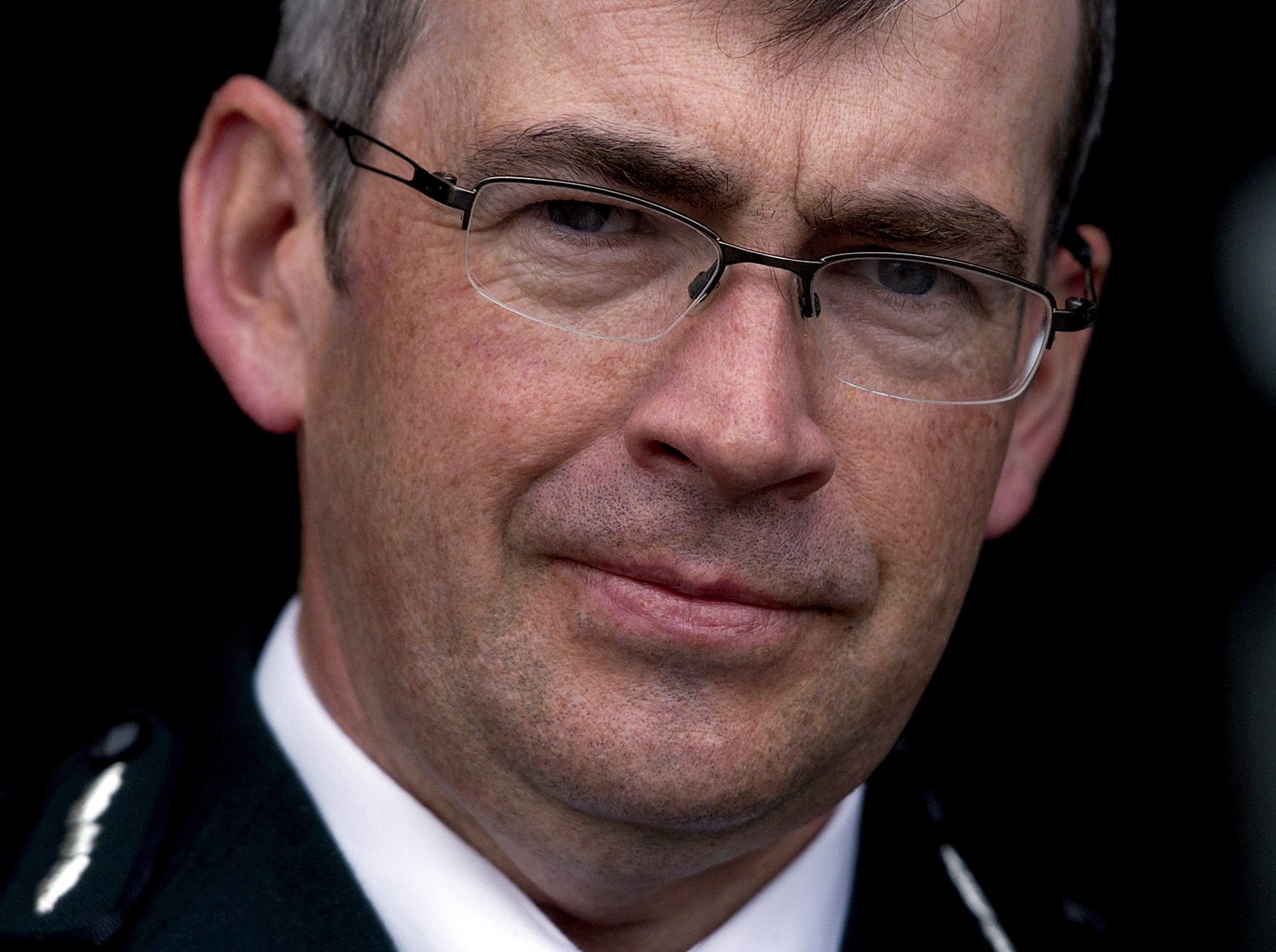
His name is Drew Harris. From September 2018 to September 2025, he headed the Irish police. Before that, he was a senior officer in the Police Service of Northern Ireland. He became the first outsider ever appointed to lead the Irish police. His father, an RUC officer, was murdered by the IRA in 1989.
Under Harris’s leadership, the Kinahans were made target number one and their downfall became the police’s priority. The pressure on the Kinahans slowly increased, but news stories were regularly leaked to the Irish press about the frustrations and difficulties with extradition agreements with Dubai.
The first big success came in 2022. American sanctions were brought to bear on the cartel’s leadership, and they hit hard. Following that major success, Harris made multiple visits to Dubai, where relationships with his counterparts were nurtured.
Those visits would pay off. In 2024, Sean McGovern, a senior lieutenant in the cartel was arrested and in what was publicly declared a one-off special arrangement deported back to Ireland in 2025. The net was closing on bigger fish, but cleverly again the press stories were relentlessly negative on the possibility of successful extradition of any bigger figures. Harris was relentless. He spoke about the gang in public, including in Dubai itself, calling the Kinahans an embarrassment to Ireland. He became the public face of what was almost a war against the cartel, known for its vicious ruthlessness and extreme violence. This required great personal courage.
The Kinahans’ reach over many years had grown and now extended far beyond Ireland. Dutch authorities and former senior officers from the US Drug Enforcement Administration have spoken about the Kinahan cartel’s involvement in arranging the murder of an Iranian dissident in the Netherlands who was living under a false identity.
The cartel didn’t just stick to drugs and violence; reporting by the Sunday Times and Bellingcat connected senior names in the cartel to companies that have bought oil tankers and used them to transport sanctioned Iranian crude oil. There appear to be many mutual interests and connections between the cartel and the Iranian regime. Those connections, in part, explain why Dubai, after suffering Iranian drone and bomb attacks, moved against the cartel so decisively.
Breaking the cartel was a task far beyond any one police force, no matter how dedicated. It needed cooperation across multiple countries and agencies, and making that happen was a job of biblical proportions. Irish detectives, British police and Americans all worked together. In 2022, the US Treasury imposed heavy sanctions on the main figures and offered huge cash rewards. A senior Irish policeman, John O’Driscoll, who died in 2024, was central to securing American involvement and deserves the credit he has received.
Specialist teams, financial investigators, and diplomats were all involved. Harris’s contribution was to tie it all together, to centralise it, to give it force and leadership. As head of the Irish police, he set the overall priorities and kept the international relationships alive when progress was slow.
Harris’s tenure was not without controversy. He faced persistent criticism from the Garda Representative Association, mainly over his approach to discipline and management. During his time, suspensions of Gardai rose significantly. Relationships with the rank-and-file body were often strained. Recently, there have been questions raised about the cost of his official accommodation during his tenure and the very substantial sums spent on the house’s security. Those arrangements were based on a formal risk assessment, and the scale of the protection he needed is clear evidence of the personal threat he was under.
In Britain, a senior police officer who delivered a result like this would usually find their story in dozens of newspapers
In Britain, a senior police officer who delivered a result like this would usually find their story in dozens of newspapers. The same would surely be true in the US. A senior police officer who helped secure international sanctions, sustained multi-agency pressure, secured painstaking and difficult extraditions and took down a major domestic criminal cartel of the size of the Kinahans’ would be a hero and his story would be front page news. In Ireland, the leadership part of the story has stayed quiet. The official statement when Harris left his job did make note of his work against organised crime. But much of the public conversation was about internal arguments inside the police, disputes over working conditions and the repeated claims that he was an outsider.
A man from Northern Ireland whose father was murdered by the IRA and who then went on to lead the police force of the Irish Republic was always going to attract that label. Speeches alone did not stop the cartel. They were slowly and brutally squeezed by financial sanctions, diplomatic pressure, and criminal investigations until their room for manoeuvre collapsed. The officers of multiple agencies across many countries deserve the praise they have been given, but so too does the man who held the top spot in Irish policing and relentlessly pursued the cartel year after year. Oddly, Dublin has remained relatively muted in its praise of Drew Harris. But surely even his detractors must recognise that he did the state a considerable service.


Comments