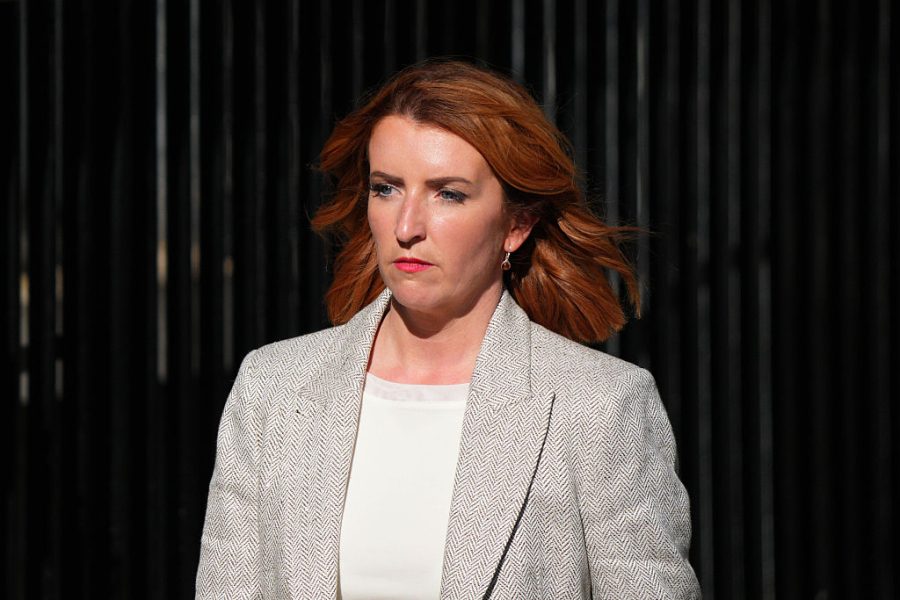
Louise Haigh is back in government. The former transport secretary resigned in November 2024 following news reports that she had a conviction for an offence of fraud by misrepresentation, which she committed in 2013. The conviction was the result of Haigh pleading guilty to having lied about the loss of her company Blackberry so that her employer would replace it with an iPhone. She had reported a ‘terrifying’ mugging in London to police, claiming that her work mobile had been stolen.
Her sentence was a ‘conditional discharge’ – essentially, she was set free with the promise to not do it again. Such a conviction did not bar her from standing for parliament, although it does not appear that she disclosed it during the 2015 election campaign which saw her elected as an MP. She did, apparently, tell Keir Starmer before he appointed her to his shadow cabinet. In any event, Haigh’s sentence is long since spent (meaning she is not required under law to disclose it in most situations). Despite pleading guilty at the time, she now says that her belief that her phone had been stolen was ‘a genuine mistake’.
All the same, Haigh resigned and then spent almost two years on the backbenches. During this time she played a key role in the Labour rebellion against welfare cuts, signed up to Team Burnham this spring, and oversaw his by-election campaign in Makerfield.
We should also name things as they are
On Monday, Burnham rewarded Haigh, appointing her First Secretary of State, Chancellor of the Duchy of Lancaster and Minister for the Cabinet Office – effectively deputy Prime Minister. Initially it appeared that she would be the minister responsible for the Public Sector Fraud Authority, but we learned yesterday that this role has been handed to Pat McFadden, the Work and Pensions Secretary. The Cabinet Office says that this decision had been made before Haigh’s appointment and has nothing to do with her fraud conviction.

Unsurprisingly, Haigh’s criminal record has been the subject of much attention this week, with many people describing her as a ‘convicted fraudster’. Her defenders have challenged this, arguing that Haigh committed a crime 13 years ago, for which she received almost the lowest possible sentence (an unconditional discharge being the very lowest), and it is long since spent.
As someone who also committed a fraud offence, albeit 12 years ago not 13, and a substantially more serious one for which I served 19 months in prison, I have a different view. I have absolutely no problem with people calling me a ‘convicted fraudster’ because it is true. I did something incredibly stupid and very dishonest. I lied, significantly, to a private equity firm interested in partnering with me, about the money I had made from clients, and when asked to prove it I produced fake documents. The worst thing is that I wasn’t motivated by greed – the money invested by the firm went to pay wages, leases and all the normal expenses of a business – I lied out of pride. I couldn’t bear the thought of losing face. Pathetic, really.
For the next four years I forever looked over my shoulder. It was, frankly, a relief to confess to the police, and I absolutely believe that I deserved to be punished for my crime. When I was sent to jail, on 6 February 2020, I was 37 years old. I thought my life was over. I felt relieved. The worst had happened.
In prison I spent the longest time thinking about why I had committed fraud – how I had allowed the habit of dishonesty to take root in me, how I had made such terrible choices, and how I had destroyed my career, liberty and reputation for nothing. I was in jail during Covid. We were often ‘banged-up’ for 23 or more hours a day. During those long days and nights I’d stare at the ceiling of my cell, reflecting on the man I had been, the waste I had made of the first half of my life, and what I was determined to do with the second half. I stared long into my soul and came to know myself better than I ever had before.
When I was a young boy, I loved Ursula Le Guin’s Earthsea books. In the first, Ged, a boy wizard, in his pride and foolishness, unleashes a shadow which pursues him wherever he goes. At the end he faces that shadow, and ‘neither lost nor won’, but instead recognises the shadow is part of him, names it, and so ‘made himself whole’. Thirty years, it took before I understood that tale, one baking, endless Covid summer in Wandsworth prison.
I read in jail, of course, and I also wrote a great deal. Poems, stories, half a million words of prison journal. I became a writer in prison, really, even before I began studying a Creative Writing MA, although it took another eighteen months after my release for me to get published, first in the prison newspaper Inside Time and then here in The Spectator. Now I earn my living writing and speaking about prisons, crime, migration, justice and corruption. Perhaps, I have become a gamekeeper.
My sentence will become spent on 6 November 2027, but even then I will still, as a matter of fact, be a ‘convicted fraudster’. And that is okay. To pretend otherwise would be to return to the habit of dishonesty. For the truth is that I am a part of all that I have met, as Louise Haigh is, as we all are. We should, I think, accept that people can and do change and that we all contain multitudes. However, that change must begin with us accepting absolute responsibility for our actions.
What should we do when a conviction is spent? The man or woman on the street, having done their time, can reasonably expect their spent conviction to remain undisclosed. But it is, I think, different for people in public life. Politicians can stand for parliament with spent convictions, but their constituents deserve to know before they vote. Such openness would also protect them from scandals like that which forced Haigh out in 2024.
We should not put further rules or barriers in the way – we should be wary of allowing anyone but constituents to choose MPs and of allowing anyone but prime ministers to choose their cabinets. The alternative is to hand yet more power to the administrative HR state. But we should also name things as they are. And so I, and Haigh, both remain ‘convicted fraudsters’.





Comments