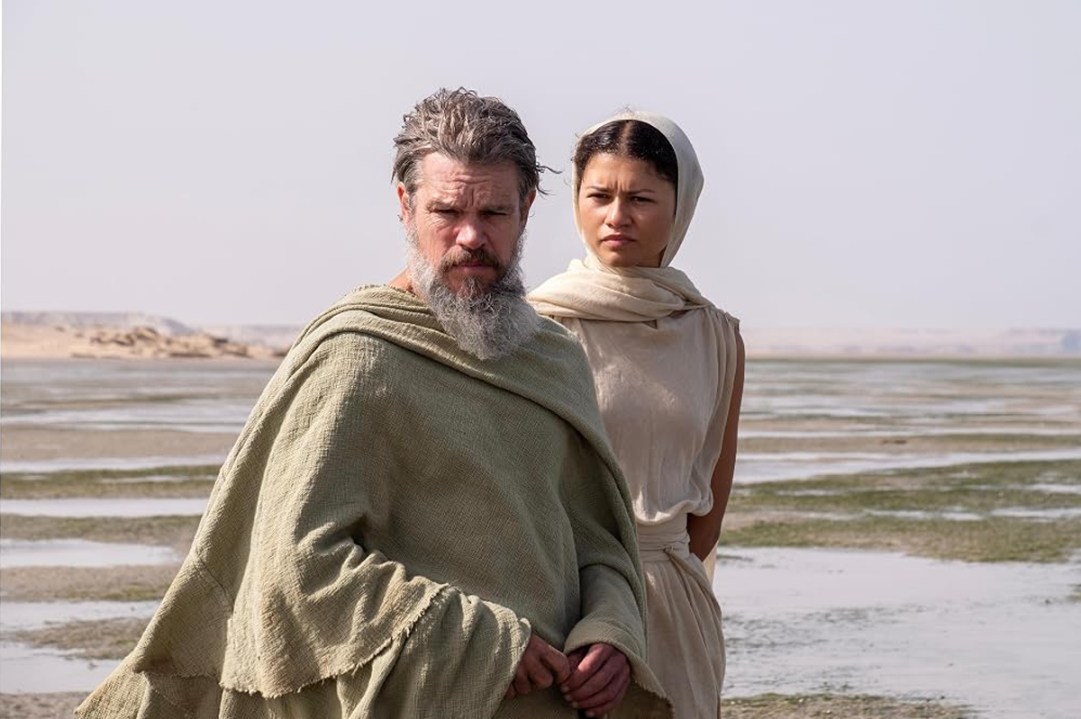
The Odyssey famously begins “Tell me, O Muse, of the man of many talents,” or similar depending on which translation you prefer. There is an irony that Homer himself might have enjoyed in the way his literary work – itself about the malleability of truth, fame and reputation – has been translated into a Christopher Nolan’s film that is being pilloried for being woke, excessively revisionist, in love with color-blind and trans-blind casting, etc.
This came as something of a surprise to us who had Sir Christopher down as a small-c conservative, whose films affirm the sanctity of the heteronormative nuclear family and, in The Dark Knight Rises, positively rejects the idea of left-wing insurgency. But Elon Musk and many others have made their objections known on X and elsewhere, and their views, however vociferously expressed, count in the field of public opinion.
Personally, as someone who’s always enjoyed Nolan’s work, I had been looking forward to The Odyssey more than any other film this year. But there was something about the trailers and general vibe of the picture that was giving me pause, too. Why were British actors like Robert Pattinson and Tom Holland spouting dialogue in American accents? What was with the references to “dad” and “daddy?” How was Nolan going to deal with the gods (such a vital part of Homer)? Was this going to be another depressingly revisionist reading of an ancient text through the prism of 21st-century concerns that ends up being neither one thing nor the other? And what the hell is Travis Scott doing in there?
Thankfully, and blessedly, my concerns evaporated when I saw the film as the director wants it to be seen, on 70mm IMAX. It is not a perfect piece of cinema – as usual with Nolan, some of the dialogue is a bit on the nose (I was not the only person who groaned when Menelaus literally says of his wife Helen of Troy “She was the face that launched a thousand ships”). And there will be purists who dislike some of the artistic liberties and the yoking together of characters and excision of narrative threads. But it’s so much better than anything else released so far this year that all objections fall away amidst the picture’s epic sweep and towering, indomitable spirit.
It’s thrilling, of course, but it’s also deeply sad, poignant where it needs to be and even genuinely funny a couple of times. And in its reflections on survivors’ guilt and the post-traumatic effects of war, it manage to bring in something thoroughly contemporary without laboring its points.
Nolan makes pure cinema, for better or for worse
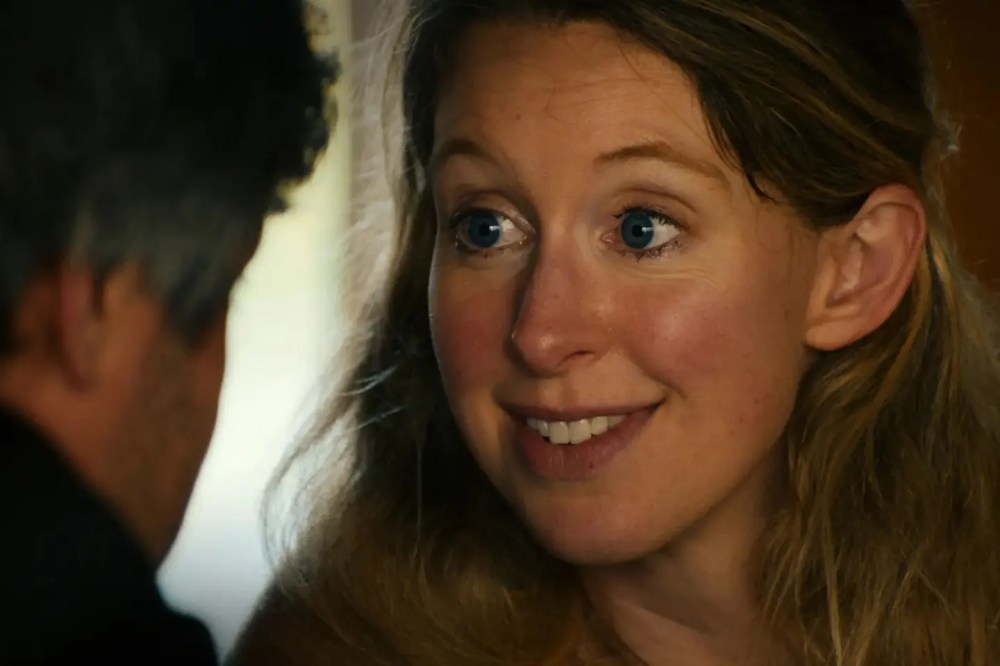
With the arguable exception of Tom Holland as Telemachus (fine, bit stiff), Nolan has once again recruited an excellent cast and allowed them to bring their A-game to the project. Some rise to the occasion in particularly unexpected ways (see John Leguizamo as the old retainer Eumaeus, Himesh Patel as Odysseus’s second-in-command Eurylochus and Samantha Morton (damn near stealing the film in one scene as the witch Circe) and others do what they do superbly. If you want sneering villainy, revel in Robert Pattinson’s conniving Antinous, plighting his not-so-troth to Anne Hathaway’s stoic Penelope. If you want the legacy of male wars, watch the poignancy of Lupita Nyong’o’s fleeting performances as Helen and her twin sister Clytemnestra.
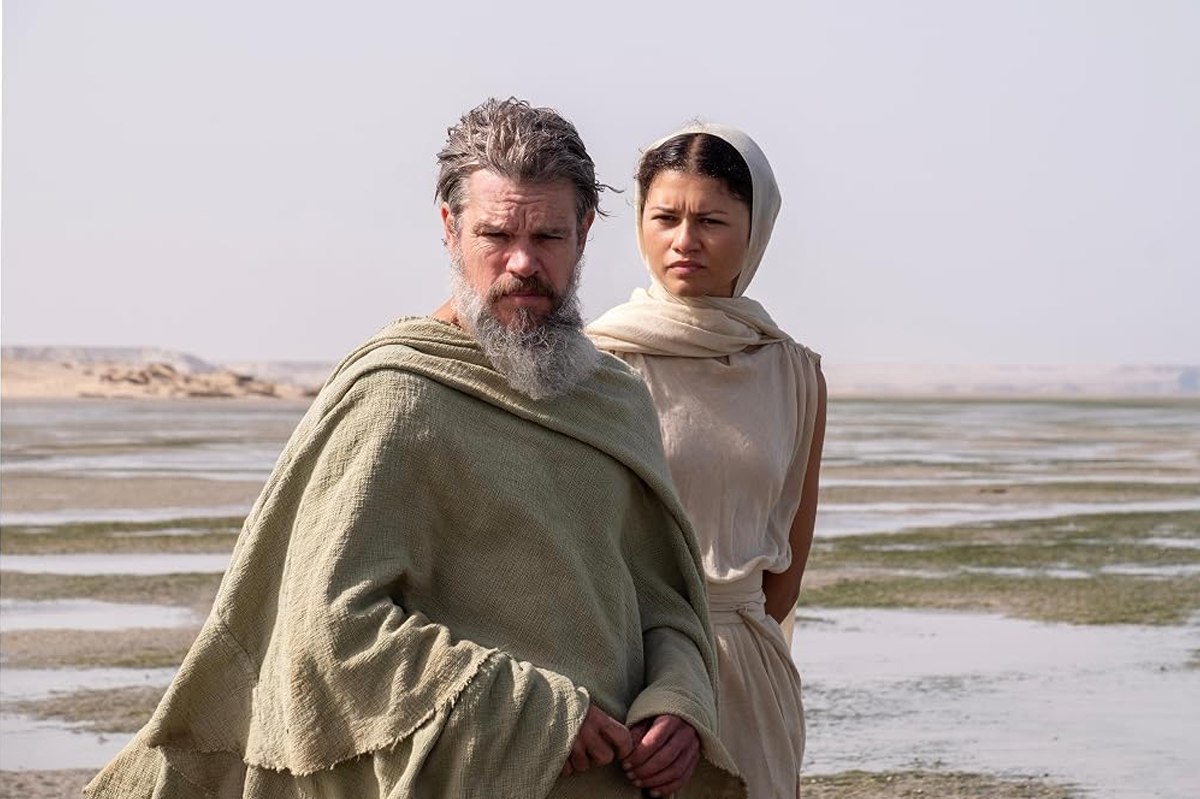
And, of course, the whole thing is anchored by Matt Damon, gray-bearded and immensely stoic as Odysseus, whose smarts and cunning are undermined by his occasional tendency to do entirely the wrong thing and end up in a far worse position than before. The score (by Ludwig Goransson) is a percussive marvel of tension and release, the cinematograph by Hoyte van Hoytema breathtaking. This is a proper film, not a movie, a three-course feast when audiences were beginning to think they only deserved snacks.
Nolan makes pure cinema, for better or for worse. At a time when every other director is compromised by the demands of the studio or the streaming service, he is given a $250 million budget and sent off merrily on his way, to do as he likes. When the results are as inimitably terrific as The Odyssey, it is easy to understand why he is given special treatment in a way that none of his peers are; he simply makes better films than they do. I had my doubts that this would continue his near-flawless run (Tenet aside) but it very much does. For my money it’s his best film since Dunkirk and certainly his most accessible since The Dark Knight Rises, and it should, by rights, take audiences by storm.
But, no, I’m still not entirely sure what Travis Scott is doing in it.






Comments