
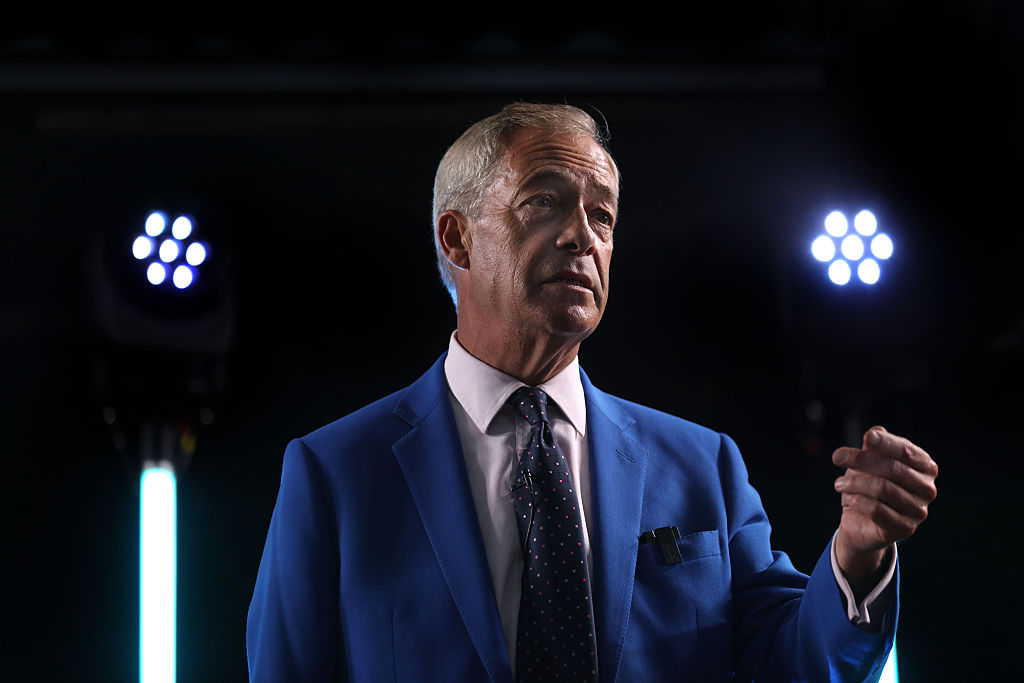
It has been a difficult time for Reform. A kind of malaise has hung about the party since the local elections. There have been a raft of internal changes, a barrage of funding stories, the Makerfield defeat and now, worst of all, the tragic murder of Ann Widdecombe. This morning Zia Yusuf, the party’s home affairs spokesman, will give a press conference focusing on security. But while those at the top of the party confess to feeling a sense of shock at Widdecombe’s death, work continues apace to overhaul the party for its next stage.
A fortnight ago, senior figures within Reform HQ gathered for a six hour-long meeting at Milbank Tower. Discussion centred on how best to get the party machine ready for a snap election. One of Reform’s achievements between 2024 and 2026 was transforming the old Brexit Party apparatus, built for air wars and proportional representation, into one that could fight and win contests under first past the post. In other words, moving from European style elections to Westminster ones instead. Regional directors ran swathes of the UK, with a branch structure set up on parliamentary constituencies. Now, it is all change once again as part of the plan to win 350 seats.
The party wants to have all its top seats covered by the end of summer, with hundreds of candidates expected to be on the approved list by party conference.
Some 60 job adverts have been posted this week on the party’s website, recruiting for branch network co-ordinators and county campaign managers. The post of campaign director has been split, with Luigi Murton now running the campaign managers and Jack Duffin overseeing training and campaign technology. The party wants to have all its top seats covered by the end of summer, with hundreds of candidates expected to be on the approved list by party conference. The cost of all this is not cheap: internal estimates expect this will cost ‘millions’ to properly fund. Regional campaign offices have already been set up in the key target areas of Lincolnshire, Essex and Kent alongside other sites in the North East, Yorkshire and East Midlands. Phrases like ‘war footing’ are being used by Nigel Farage’s aides.
Inspiration for this plan comes from two very different sources. The first is learning from the old Tory tradition of well-trained constituency agents: Jon Burns, who ran Reform’s successful Runcorn campaign, is one such example. The second is adopting Labour’s approach of ruthlessly targeting seats in 2024. The kitchen sink will be thrown at winnable seats; contests such as the Greater Manchester mayoralty are being sidelined in pursuit of this goal. With the right structure and the right strategy, Reform believes this can get them over the line in a fragmented landscape. A ‘Burnham bounce’ is expected by Farage’s aides in the next few weeks. But they hope that, after so long ahead in the polls, going behind will help recapture the party’s message and branding.





Comments