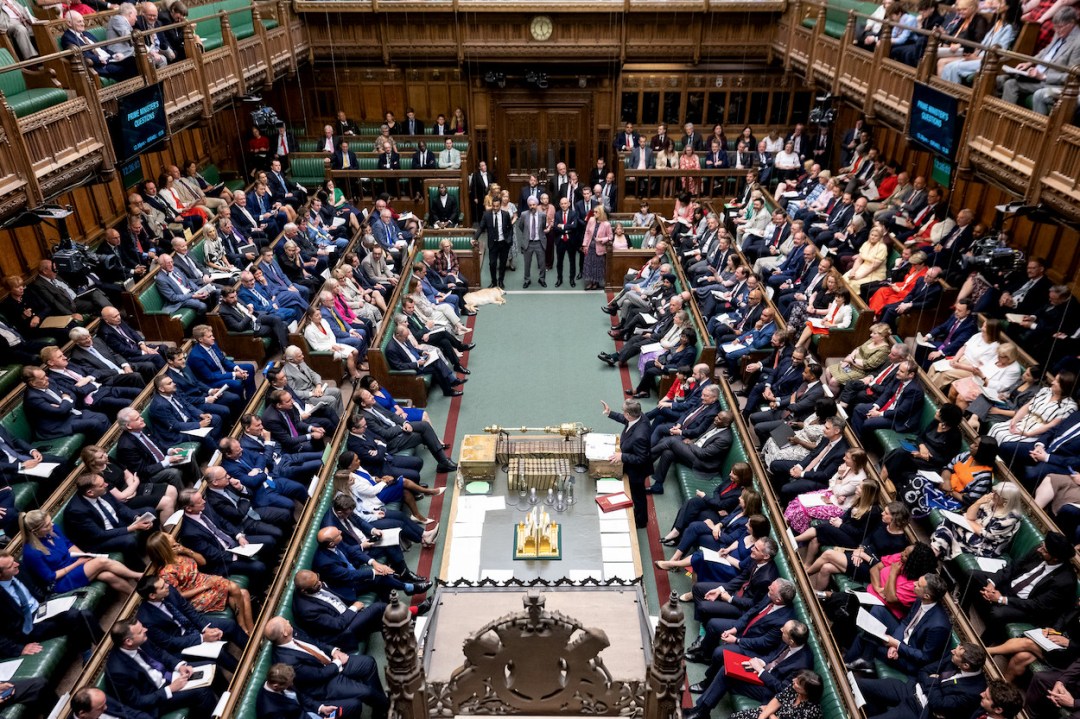
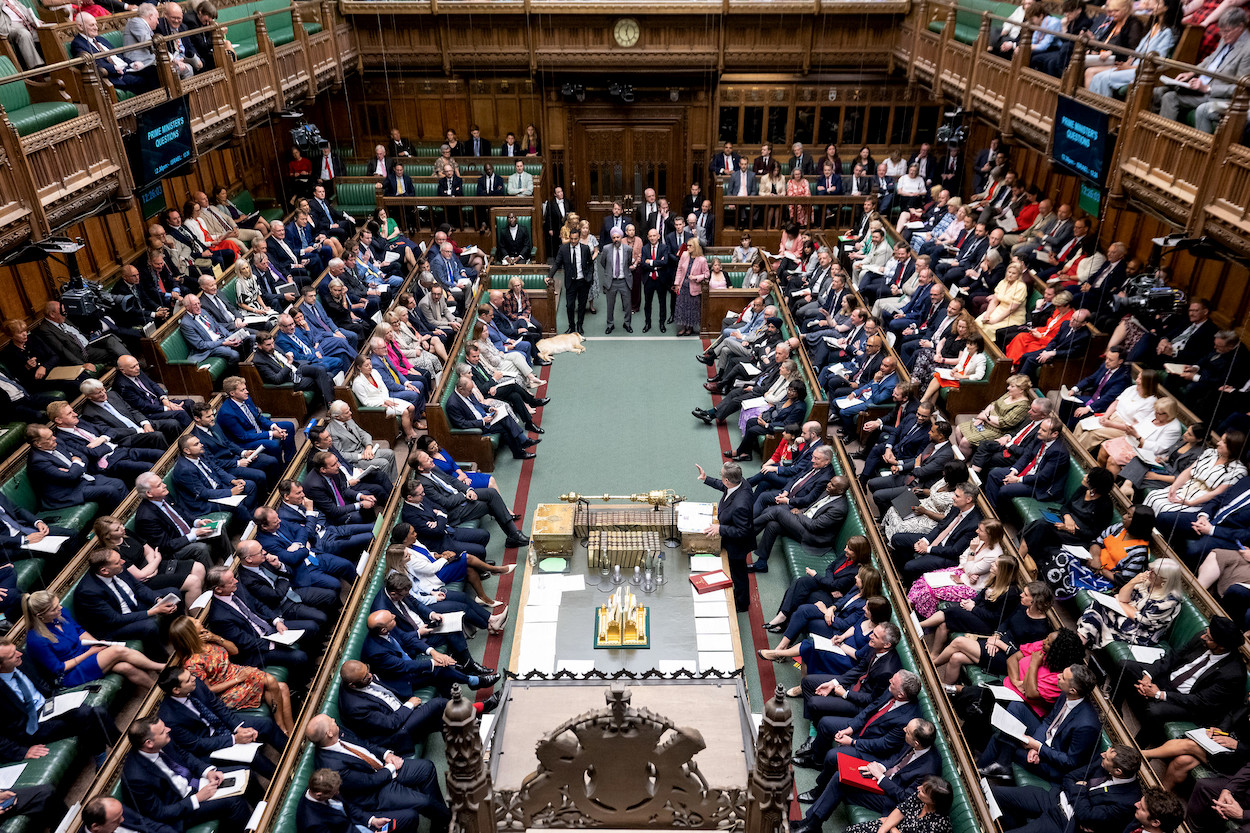
Andy Burnham’s plan sounds rather decent, removing the fear factor from whipping and replacing it with a softer, cuddlier function. The whips office ‘should be our HR department, not something to be feared’, he wrote to Labour MPs last week. There’ll be no Francis Urquhart in Team Andy. Sit on a bean bag, enjoy a hot chocolate and explain your plans to bring down the government.
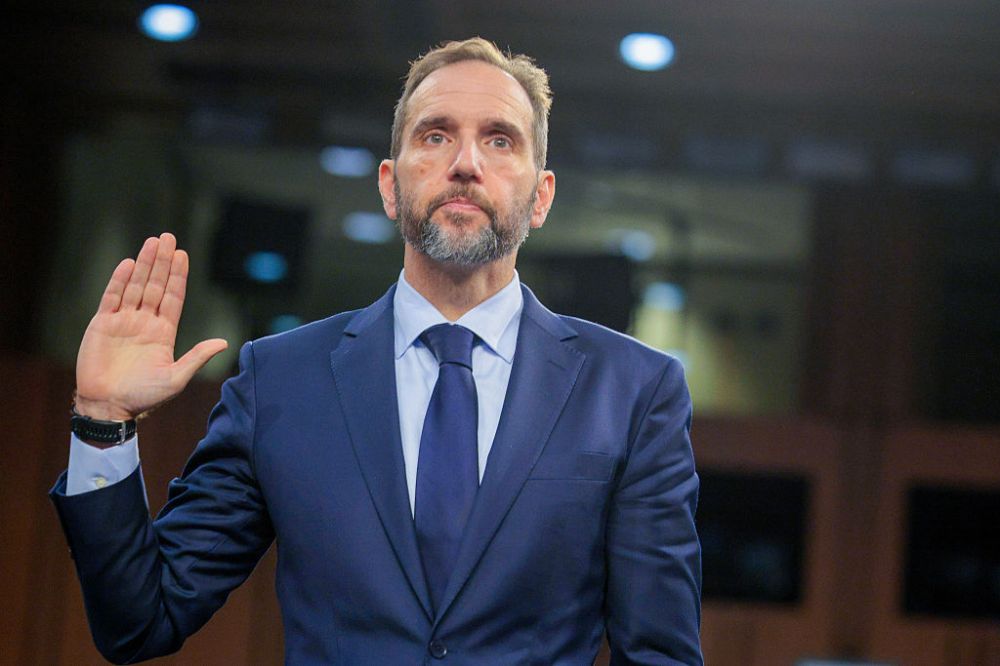
The worrying thing about Burnham’s promise of a more collegiate type of whipping is that it misunderstands what whips do. We can blame television and the media for the exaggerated depiction of their role, and perhaps the old hunting expression ‘whipping’ has passed its sell-by date, conjuring up the idea that the role is only based on fear. Fear, however, does have its place: MPs should fear failing to succeed, letting down their colleagues, and undermining the very people who gave them their exalted positions.
I remember one conversation I had with a former senior Cabinet member who wanted simultaneously to vote against the government’s position on illegal immigration and secure a place in the House of Lords. Imagine the reaction of others, holding their noses to support us, if we had rewarded such behaviour. I explained that it had to be one or the other. Such is politics that they didn’t make it to the Lords.
In a world where dealing with HR is ever more complex, sensitive, and at times disturbing, I have my own doubts as to whether our parliamentary colleagues (most of whom have no HR training whatsoever) are the right people to ensure the government’s business gets done while also negotiating the pickles of the people who make up their majority. Taking calls from colleagues stranded penniless in London brothels or discovering that senior figures have just been arrested by the Met are not often moments of great comedy. They are mostly tragedies in which there are victims. The response needs to be sensitively handled by people well versed in these situations.
Most whipping is boring. Whips organise the business of the House, allocate time, liaise with the Speaker’s Office and Clerks and crucially enable their colleagues to know what is happening and when. MPs want to know what stage the government has reached with bills in both the Lords and Commons, when committees are sitting, and whether select committees are relevant to their areas of expertise. They need reminding whether today’s debate is in line with their manifesto (and therefore their presence is required) or whether they can get the early train back to a constituency event. I used to find that ‘free votes’ (votes where MPs can vote as they choose) spread panic in the ranks rather than relief. Everyone wanted a steer and especially to know what the PM or chief whip expected of them.
And yes, they will want to pitch for a job in the government too. In just a few days’ time Andy Burnham will discover just how painful this can be. Most people serving in the current government will be enjoying the trappings of high office, and probably think they are doing quite well, and need just a little longer to make a real difference. It’s rather nice having a Jag at your disposal and a red box on your desk. They will be distraught if they are summoned to the new PM’s office for what the civil service refers to as a ‘departure interview’, but everyone else calls ‘being sacked’. Burnham will be nice, thank them for their service, assure them that they might easily be back at some future stage, but say he needs ‘new faces at the top’. This is nonsense, of course. The public knows only a handful of people well enough to name them, so the great majority of this process is replacing one set of anonymous people with another. The PM will pull his friends closer but create new enemies in the process.
Towards the end of our time in government, the grim reality of our downfall was not lost on people. Every change came with an offer to trade. Some wanted an honour or a role at a quango. Others issued threats to defect or join a rival leadership bid.
The new-look Burnham whips office has all this heading its way, made worse, ironically, by the size of Labour’s majority. My guess is that the current chief (Johnny Reynolds) will have already signed his release papers, so a new boss will need to get up to speed with all this. It may sound fun having over 400 soldiers in your army, but that is a lot of hungry mouths to feed when food is short. There just won’t be enough jobs, freebies, honours or offices with a view over the Thames to go round. People will be bored and frustrated, scared that they will be gone at the next election anyway. There is still an angry left wing in the Labour party battling with a more centrist economic contingent. Welfare vs defence is a contest that has yet to even start. If I were Andy, I would be nervous about the way expectations have run wild. He is about to hit the same wall of immovable challenges that have upended the last five of his predecessors.
There was always a ‘next-level-up’ option
All of this will fall to the whips, not No. 10, to manage. They have to handle the moods, soothe bruised egos, promise future opportunities and avert troublesome distractions. Crucially, they will need to deliver the existing manifesto and more than 30 bills announced in the recent King’s Speech. This will mean red lines. What will they do if colleagues in adjacent seats commit to voting in different ways? If one is a minister (bound by collective responsibility), they have no choice but to support the government, or resign. Their position might be ridiculed locally while the neighbour is hailed as a hero for adopting a ‘community-first’, principled stance. Such a position is untenable (and contagious) and unlikely to be resolved by anything less than a blunt reminder of the facts of life.
In many ways both Rishi Sunak and I were tempted by the notion of a whips office that put the emphasis on persuasion rather than force. We both hoped that appealing to the professional consciences of colleagues, at least in the first instance, was worth a try. In fact, it was incredibly successful in that we never lost a government bill or fell foul of a confidence vote or leadership challenge. But it only worked because there was always a ‘next-level-up’ option, which included removal of the whip, an option we deployed over a dozen times and which came with the promise of being unable to stand in the party’s colours at the next election. With some people, none of this really worked. For those who had soured on politics, for whom ambition had been thwarted, whose politics had shifted or whose lives had just taken a scandalous turn for the worse, there was only one option left: defect to Reform.






Comments