
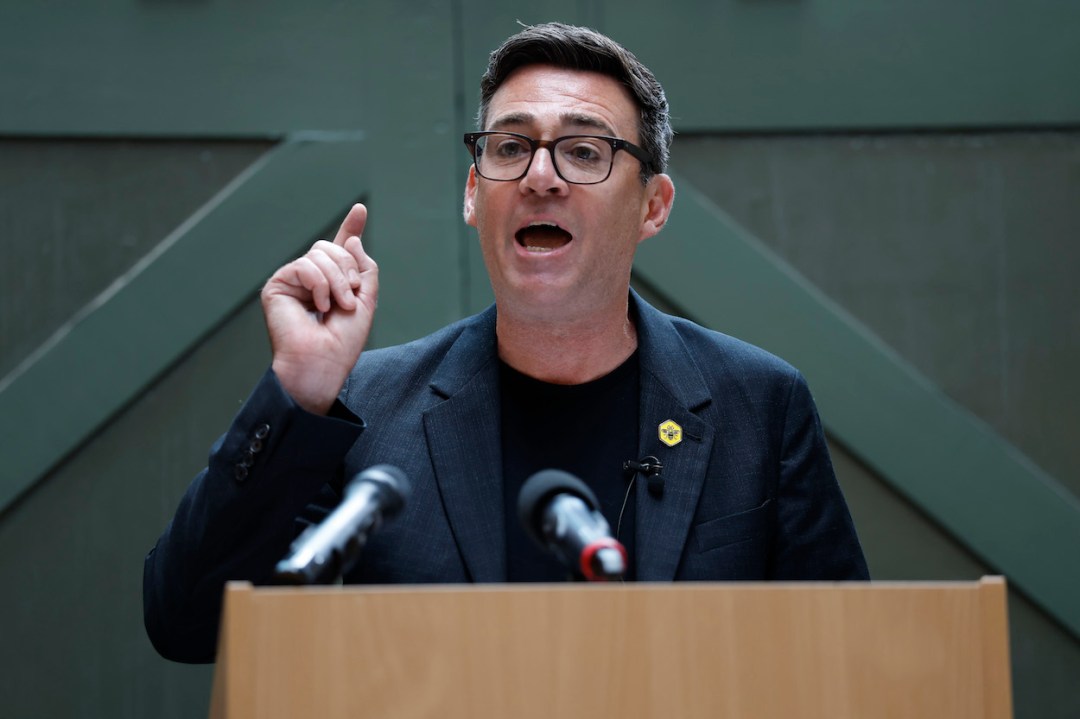
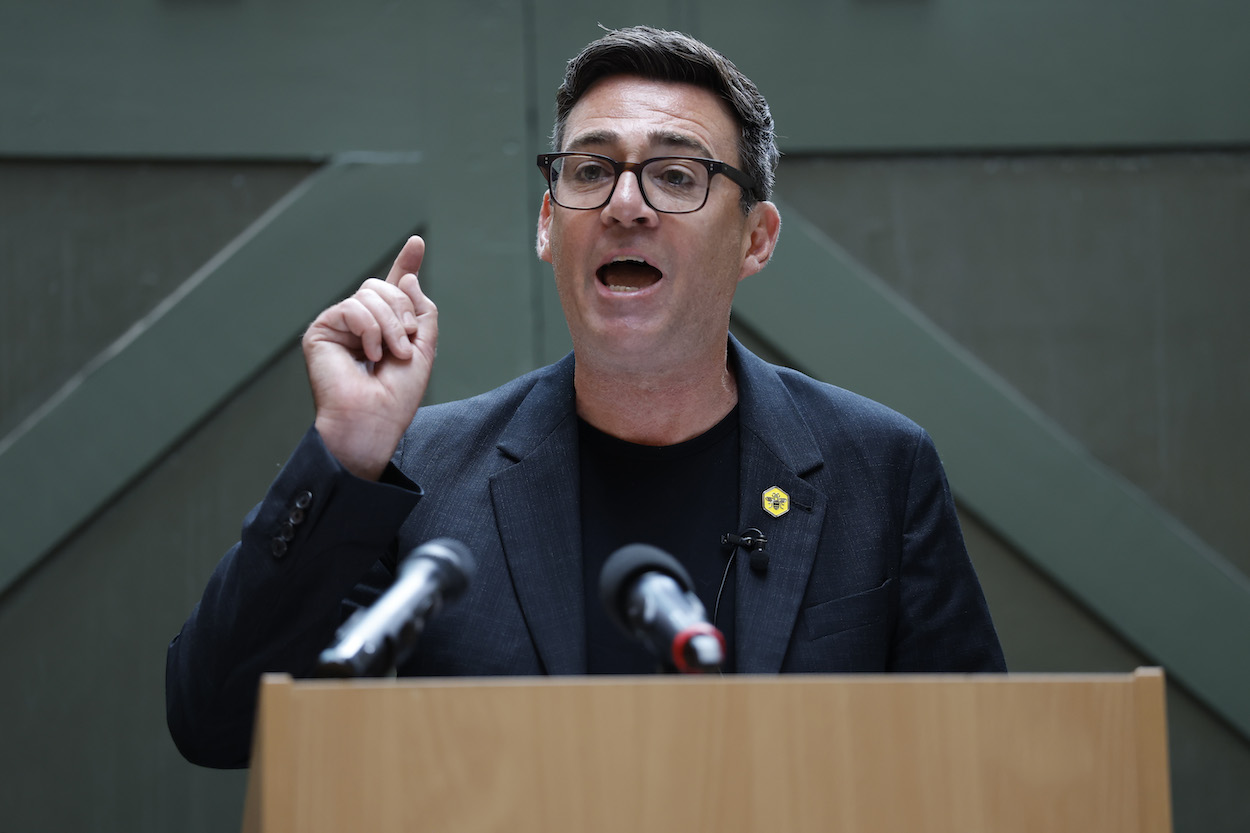
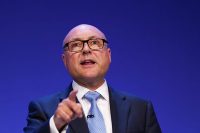
This morning Andy Burnham has set out his devolution agenda for government. At the People’s History Museum in Manchester, the new MP for Makerfield promised the ‘biggest change in our lifetimes to the way the country is run’, with mayors and local authorities empowered instead. A new ‘No. 10 North’ will be set up to oversee the transfer of powers and resources from a ‘broken’ Westminster. ‘The days of Whitehall fighting with devolution power into the regions and nations are over for good’, he said. ‘We will bring about the biggest rebalancing of power our country has seen.’
In a wide-ranging speech, Burnham argued that the current set-up is penalising not just the north but the whole of the UK. He believes that spreading the tools of office will enable all the country to grow, boosting Britain’s economic performance. Drawing on his time as the mayor of Greater Manchester, he called for ‘public intervention where necessary’ to kick-start growth, arguing that everything cannot just be left to the markets. ‘This is Manchesterism,’ he said, a shining beacon, he suggested, against the ‘ten years of political turbulence since Brexit’ and ‘20 years of falling living standards’ since the 2008 crash – a rehash of his pitch on the Makerfield campaign trail.
These are all arguments that he has been making for years. The problem is that the evidence base for them is deeply circumspect. Far from devolution being a new concept, it has been tried for nearly three decades now, with little evidence from Wales or Scotland that governance or public services have dramatically improved. It is debatable too whether the country is crying out for more devolution: nine of eleven cities rejected mayoralties in 2012 referenda. The growth associated with ‘Manchesterism’ is the legacy of various initiatives, including the gifting of public land to private companies.
There was no acknowledgement of that complexity in his speech. Burnham showed no appreciation for the role that artificial intelligence and energy prices will play in his own economic plans, as he prepares to take up the premiership in just three weeks’ time. ‘Imagine good growth in every postcode and hope in every heart’, was a line that will appeal to the party faithful but will leave sceptics feeling uneasy. His criticism, again, of the whipping system in Westminster will have alarm bells ringing among cynics who fear he has some difficult battles ahead. Burnham has previously spoken of his belief in the ‘collective wisdom’ of the parliamentary party. ‘Has he met them?’ asks one aide.
Burnham’s speech ended with thunderous applause from the party faithful and no questions from the press. Since his election to parliament ten days’ ago, Burnham has been reluctant to submit himself to questioning, leading to a media vacuum filled by what he calls ‘wild speculation’. But with his coronation imminent, it is no surprise that journalists are already treating him as the new prime minister. If Burnham does not submit himself to scrutiny in the coming weeks, the hungry press pack could start to turn on him, much as they did with Theresa May on the campaign trail in 2017.




Comments