In the wake of Keir Starmer’s resignation much has been made of the fact that in the past decade we have had six prime ministers, and a seventh – almost certainly Andy Burnham – will enter Downing Street before the end of summer. People are asking whether Britain has become ungovernable. Perhaps the electorate demand the impossible. There must be some rational, material explanation for this disastrous state of British politics.
Medieval and even sixteenth and seventeenth century Britons would see things very differently. According to Keith Thomas’s Religion and the Decline of Magic, people of those ages denied ‘the very possibility of chance or accident’. Everything that happened was according to God’s design and carried a message. ‘Plagues and misfortune were usually a punishment for some notorious sin’.
Britons lived in a world in which ‘omens and portents, sprang from a coherent view of the world as a moral order reflecting God’s purpose and physically sensitive to the moral conduct of human beings,’ and ‘in which the rise and fall of nations appeared as the expression of God’s unsearchable purpose’.
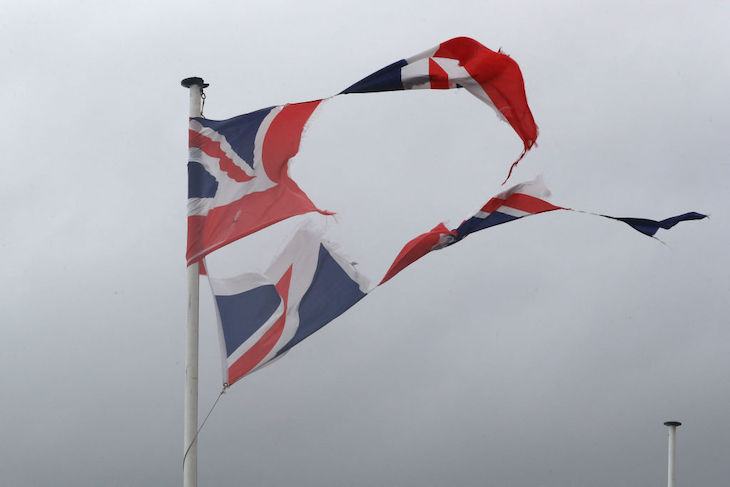
The symbolism would have been clear to our ancestors. The Crown and the Kingdom are facing a rupture
What would they think of this decade so far? The great pandemic would, of course, be explained as God’s punishment for a wicked world. But in Britain itself they would discern omens and portents of a doomed kingdom and a profound rupture with what has come before. For there have been a remarkable series of events which have struck at the symbolic foundations of the Crown, and of the nation itself.
Swans, the royal bird, have had a terrible decade. Waves of avian flu have swept through their populations, especially around Windsor, as have decapitations and devourings. In 2020, while the human pandemic raged, avian flu swept the black swan population of Dawlish in Devon. I understand at least one local feared this meant doom for the Queen. The plague returned to Dawlish last year.
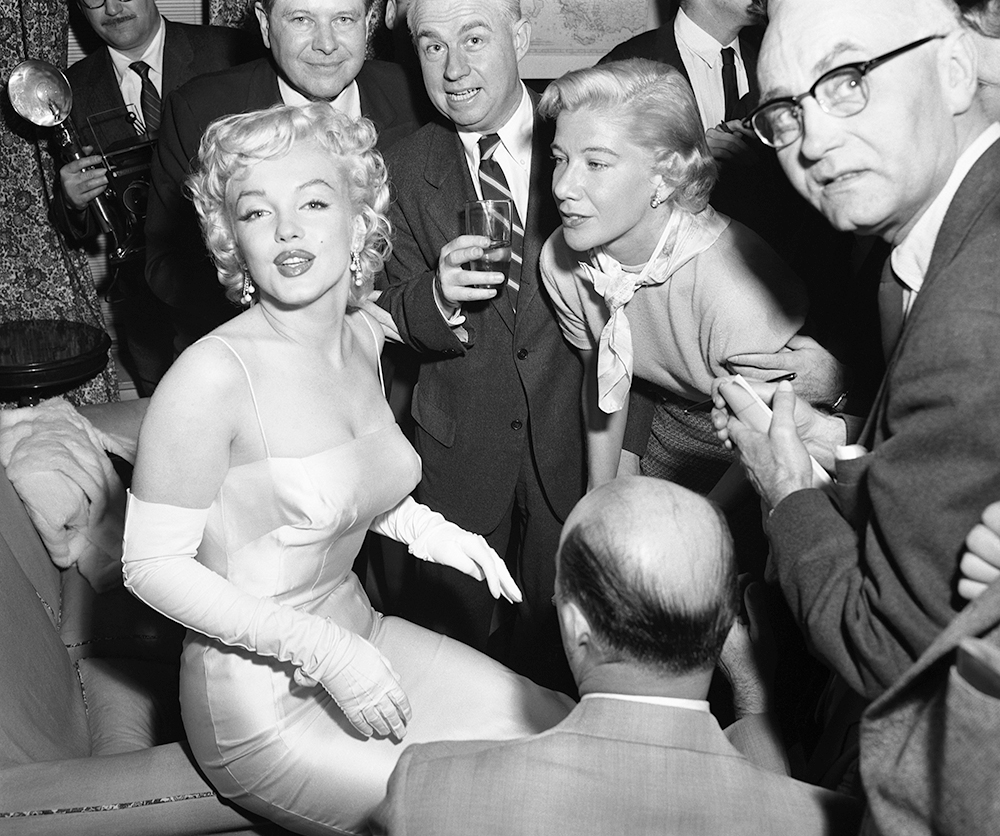
At the beginning of 2021 the ‘queen raven’ fled the Tower of London. Her body has never been found. Even more ominously for the Crown, in September 2021 police officers killed a white stag which had made its way from the wilds to the town of Bootle, in Merseyside. The white stag, or hart has been a royal symbol since Richard II adopted it for his heraldry. Even before that it symbolised noble pursuit; one should chase the stag but never kill it.
For the police, sworn servants of the Crown to slaughter such a royal symbol is deeply ominous. Then, in April 2024, five of the Royal Household Cavalry’s horses threw their riders and fled through central London. Memorably one, a white steed, was photographed bloodied galloping through the centre of our capital. It was hard not to think of the ‘pale horse’ named Death, promised by Revelation.
There are other grim portents for England. Robin Hood, Robin of the Greenwood is the deep folk hero of Merrie England. Two trees are linked with Robin: the 1,200 year old Major Oak which he was said to have used as his hideout; and (thanks to the 1991 film Robin Hood: Prince of Thieves), the Sycamore Gap tree. In 2023, the sycamore was hacked down. This month, we learned that the Major Oak has finally died, despite, or perhaps because of our efforts to delay its end. Trees, especially oaks, have always been symbols of England’s strength. Their deaths represent a grave loss, and a severing of the thread between us, Robin, and his Greenwood.
Other symbols have suffered too. Stonehenge, a temple already ancient when Brutus came here, was desecrated with orange paint just before the Summer Solstice two years ago. Most ominously of all, in May 2021 a baby whale, the Biblical leviathan, swam up the Thames only to die at Teddington. In modernity, of course, leviathan symbolises the state itself.
Drawing these portents together, the symbolism would have been clear to our ancestors. The Crown and the Kingdom are facing a great rupture. A period of profound change lies ahead, and all our efforts to hold back that tide may only hasten the end. Of course, part of the reason Starmer failed as Prime Minister is because all he did was try to resist the tide, cleaving to international laws which are dying, trying to undo a little of Brexit, and remaining bound by a cage of domestic laws he could not even imagine repealing.
Starmer sought to hold back the tide. In this he was doomed. For as our ancestors would tell him, God ordains the rise and fall of nations. The portents are clear: the old Britain will be swept away.




Comments