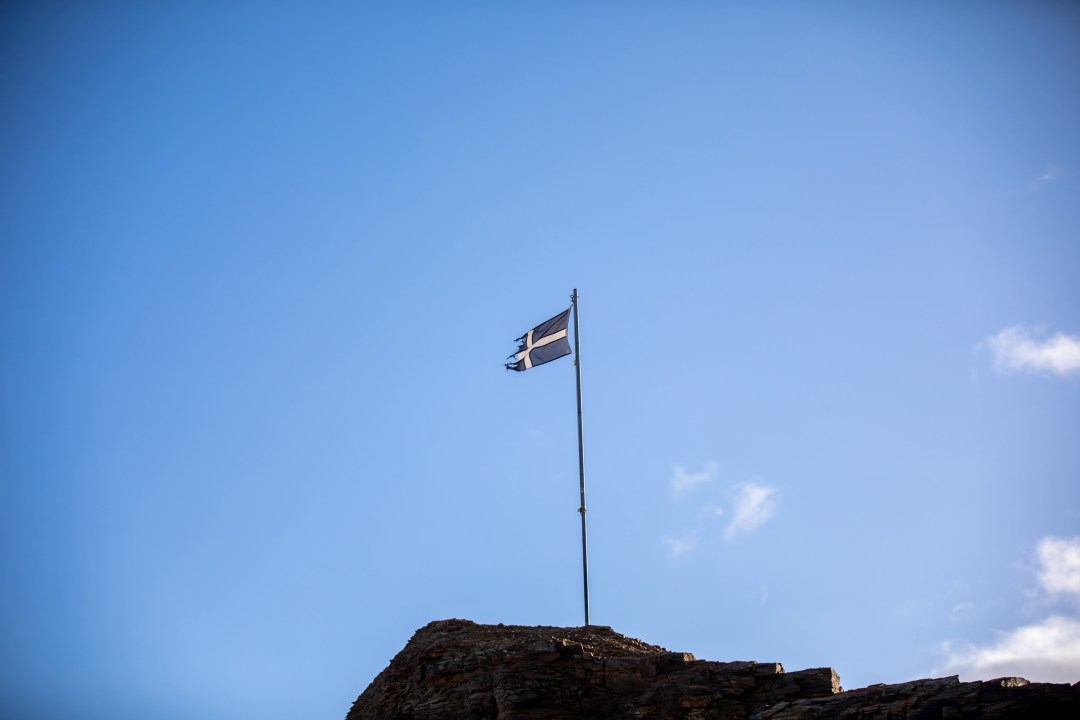
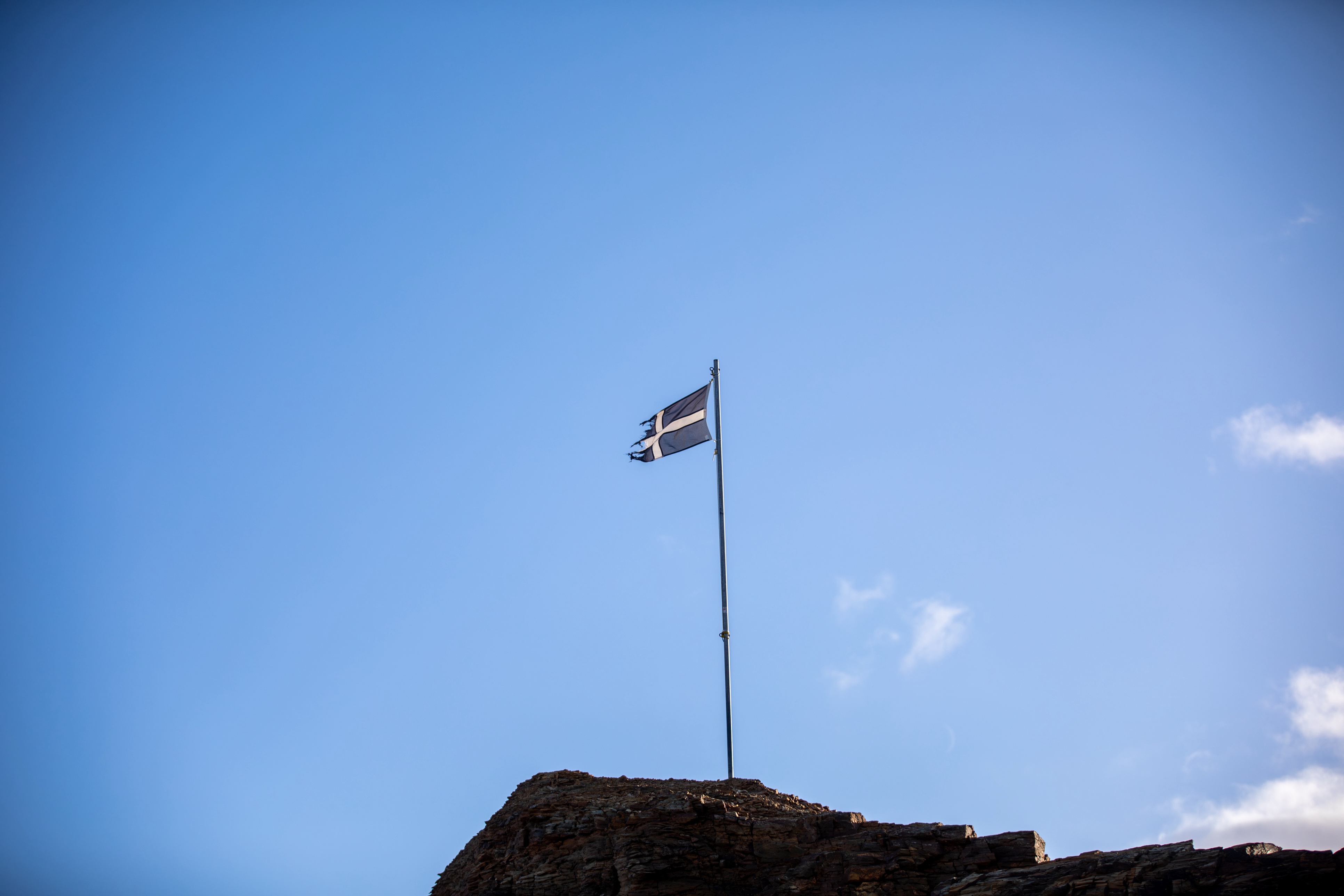
In my more romantic moments, standing at Hellfire Corner, in the drizzly shadow of engine houses and Carn Brea, watching Redruth play rugby, I think of Richard Burton’s line: ‘I grew up among heroes who went down the pit, who played rugby, told stories, sang songs of war.’
Last week Burton’s Celtic cousins across the water from South Wales won their fifth rugby County Championship in a decade, as Cornwall saw off Lancashire with a 39-24 victory at Twickenham. As with Wales, rugby is how Cornwall expresses its true self. It may not be the picture postcard version, but if anything evokes the spirit of Cornwall; the mining, the granite, and the Methodism, it is our rugby team. Other counties may have different priorities, but for anyone born west of the River Tamar wearing the black and gold strip is the highest honour life can bestow.
This isn’t simple hyperbole. After a stunning try scoring debut for England in 1910, Bert Solomon, the son of a Cornish miner, declared, ‘I’ve had enough of this,’ and returned to Redruth and his racing pigeons, subsequently only turning out for his county. Over a century later, this year’s captain, Sam Matavesi, a Fijian international who has won both the Premiership and the French Championship, recently commented that while growing up in Camborne, it was leading Cornwall out at Twickenham which had fulfilled his childhood dreams.
Rugby and the chance to compete as a united county, is perhaps the best reflection of Cornwall’s singular identity as being of England but not part of it. Other parts of England have to contend with football and rugby league, but for Cornwall (Truro FC’s glorious promotion to the national leagues notwithstanding) in towns like Camborne and Redruth, Launceston and Newlyn, it is rugby rivalries and the county championship which is paramount.
My first experience of this was in an extra time victory over Yorkshire the 1991 County Championship final which has passed into local legend. Cornwall descended on London with the local paper, the West Briton declaring ‘Will the last person leaving Cornwall please turn off the lights,’ a full year before the Sun’s famous headline in the eve of Neil Kinnock’s failed election bid.
I have joyous memories of my 8 year old self standing on pub tables, surrounded by a sea of black and gold and beer with chants of ‘Oggy Oggy Oggy – Oy Oy Oy’ ringing out and continual renditions of the ‘Song of the Western Men’, ‘And shall Trelawney live and shall Trelawney die, here’s 20,000 Cornishmen will know the reason why.’ Bishop Trelawney incidentally, turns out to have been an anti-Catholic agitator in the time of James II, a fact retold with glee at my brother’s nuptial mass, before the congregation were led in a stirring rendition in the ruins of St Day church.
For anyone born west of the River Tamar wearing the black and gold strip is the highest honour life can bestow
During the final, Trelawney’s Army, as the Cornish fans were known, overran Twickenham hanging giant pasties from the posts. Proceedings began with the Falmouth Marching Band drumming across the pitch, carried on with streakers at half time and ended with a pitch invasion to celebrate our victory snatching victory from the jaws of defeat. It was frantic, loud and haphazard and feels like a time far removed from the Twickenham of today, with half-time DJ’s pyrotechnics and cloying messages to support ‘You’re England.’
Now, even for Cornwall matches, the county championship does not get attendances like this. Rugby has since turned professional and the amateur fixtures which had been a mainstay of the rugby calendar since the Victorian era echo on but with diminished followings. Last weekend Twickenham will host the Prem final with hopefully a thundering match between Northampton and Exeter. Two clubs with proud histories and passionate fans, but it feels like something has been lost in the corporate world of professional rugby.
The Matavesi family for instance owe their existence to the world of amateur rugby, in their case when a small town like Camborne could host a great international touring club like the Fijian Barbarians. Matavesi senior so impressed as part of the Fijian team he was persuaded to stay, eventually marrying a local girl and raising his family there.
This experience of seeing world class players stepping out on to a one grandstand, amateur pitch continued well into the 1990s. One other match which sticks firmly in my memory is when Redruth hosted the New Zealand All Blacks. Then, a South West team chiefly consisting of the great Bath side of the 1990s were a couple of refereeing decisions away from securing a famous victory against a New Zealand team containing such all-time greats as Ian Jones and Zinzan Brooke.
Sam Matavesi, who had not yet been born at the time of the 1991 victory, imbued this same spirit growing up in Cornwall. His comment before the final, ‘It’s not just about the rugby. It’s about the people and the community,’ is perhaps suggestive of the way rugby encapsulates a sense of belonging in Cornwall for all its good and ills. This summer, if you’re heading west to some beautiful beaches and find yourself stuck in traffic on the A30, perhaps in a bleak stretch of Bodmin Moor or around Carn Brea, and wondering where the proper Cornwall starts – look around you, this is rugby country.



Comments