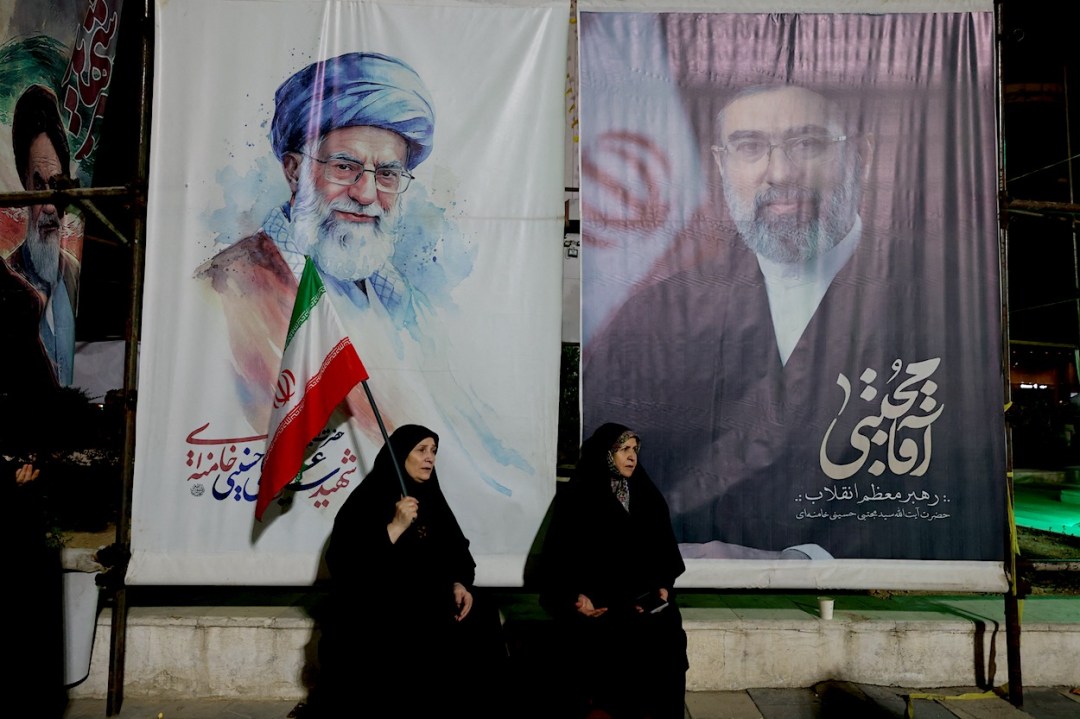
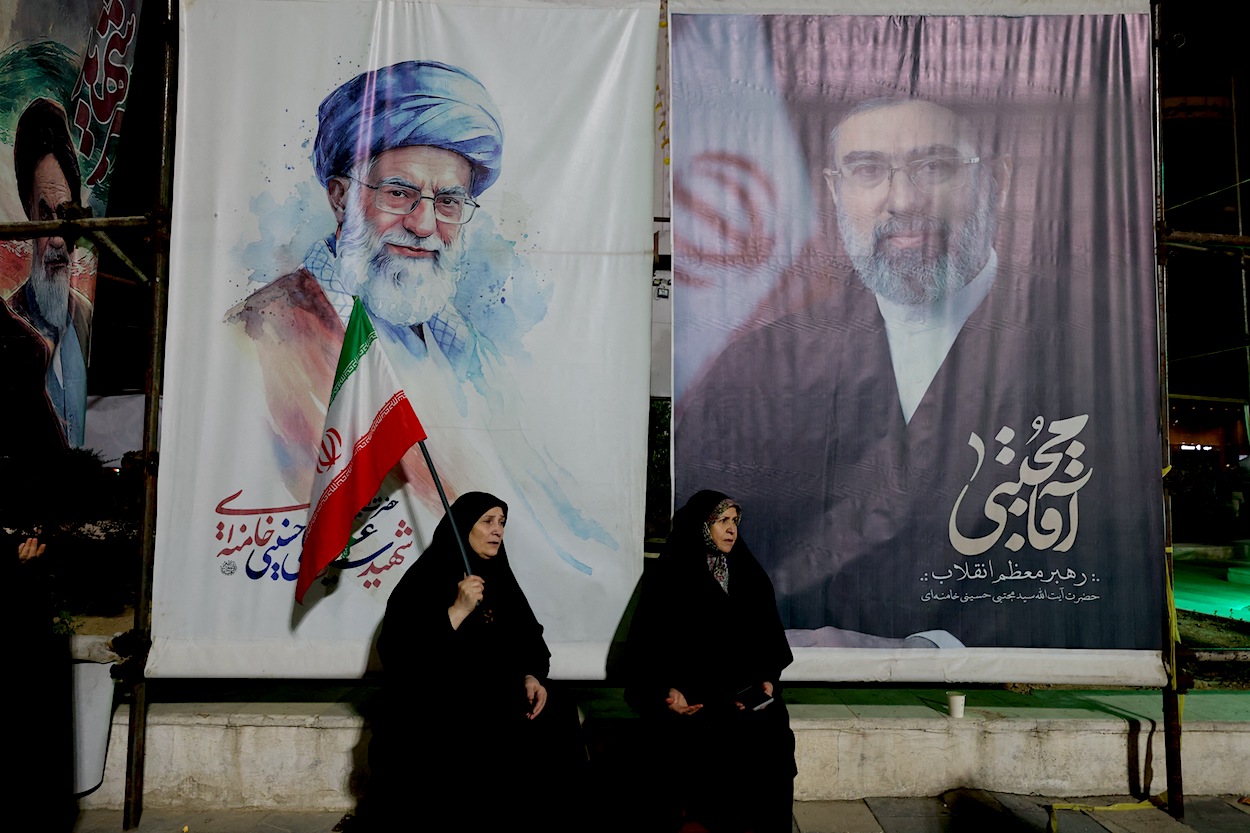
When Donald Trump signed the Memorandum of Understanding with Iran earlier this week, the accepted narrative was that it was an abject failure of US foreign policy. What had begun with the dramatic assassination of Ayatollah Khamenei in the opening seconds of the war had concluded with America’s hands tied.
But this rhetoric fails to align with the reality within Iran. Beneath the noise, the regime, with its nuclear capabilities and ballistic stockpile severely downgraded, is also in a vulnerable position – perhaps the most weak it has been in its 47 years. I fled the regime myself 28 years ago, and have coordinated protests from within and outside the country, including the bloodiest ones in its near five decade history earlier this year which saw tens of thousands of my fellow countrymen slaughtered. Despite relentless IRGC propaganda, the regime is on the brink.
The war has exposed deep divisions within the government. While the less radical part of it (a relative concept) understands they have no choice but to accept demands dictated by the US if they want to survive, there is no shortage of those that remain ideologically committed to a fight to the bitter end. This has fuelled nightly street protests, with each side accusing the other of betrayal and acting as agents of Mossad and the US.
An under-explored aspect of this conflict is the tension within the regime and the possibility that the two sides could turn their weapons on each other. Two hardliners thirsty for power are consolidating their power bases and engaged in a vicious briefing war: the current commander of the IRGC Ahmad Vahidi is pitted against Mohammad Bagher-Ghalibaf, the speaker of the Iranian parliament and lead negotiator for the regime.
Looming over this volatility is the continuing absence of the supposed new Supreme Leader Mojtaba Khamenei, the Ayatollah’s grandson. Reportedly severely injured in the opening airstrikes of the war, Mojtaba hasn’t been publicly seen since, and statements issued in his name should be treated with great caution. Regardless, Mojtaba lacks the authority of his father to reconcile the schism between these competing groups.
You can tell that the regime is worried about its viability. The IRGC and police are out on the streets. Checkpoints are everywhere. The regime knows that the appetite for an uprising has never been higher, and so is turning to the only tools left at its disposal: fear and violence. Executions are being used to spread fear. These are not the actions of a government in control.
With the economy destroyed, inflation rampant and an estimated 70 per cent below the poverty line, the clamour for change will only spread. The lifting of some sanctions will do very little to alleviate this fact as the regime is likely to funnel cash into restoring Iran’s military capabilities and rearming its proxies.
Many normal Iranians are opposed to a deal. They want the US to continue to further weaken the regime and create the right conditions for them to take to the streets one final time. They cling to the belief – a logical one – that this ceasefire is part of a longer process to temporarily allow for energy price management and for the US to navigate its 250th anniversary celebrations and midterm elections.
When the regime is vulnerable, it lashes out
After 47 years of waiting to remove this cruel regime, Iranians see this strategic pause as a small price to pay. They take comfort from the fact that the regime’s ballistic missile and nuclear programmes lie in tatters.
Of course, we know from history that when this regime is vulnerable, it lashes out. That’s why people should keep a close eye on Lebanon and its Hezbollah terror proxy. They have dramatically dialled up suicide drone attacks against Israel in a calculated attempt to finger Israel as a spoiler. Israel can – and must – defend its interests. That is the new post 7 October reality. On Friday, four Israeli soldiers were killed by Hezbollah. There have been retaliatory strikes.
It was painfully predictable that the West’s decades-long failure to deal with the Iranian problem would lead to ever costlier bloodshed across the Middle East, but the regime of Ayatollah Khamenei has now been dismantled. The Islamic Republic that we have all known for 47 years no longer exists. What stands in its place is a disunited, vengeful regime that knows it is vulnerable. Like all dictatorships before it, it will eventually collapse. This war set its conclusion in motion.


Comments