For a decidedly short London road, little Store Street in Bloomsbury, which connects the scholarly precincts of London University with the furniture stores of Tottenham Court Road, delivers a pleasant hit of history. In 1791, ur-feminist Mary Wollstonecraft lived here, then wrote A Vindication of the Rights of Woman.
In case you didn’t know, I also lived on Store Street in the 1990s, back when it was, to be honest, a slightly shabby sideroad, with a greasy spoon and grubby offices. Arguably quaint, and definitely honest, but not somewhere you’d want to linger.
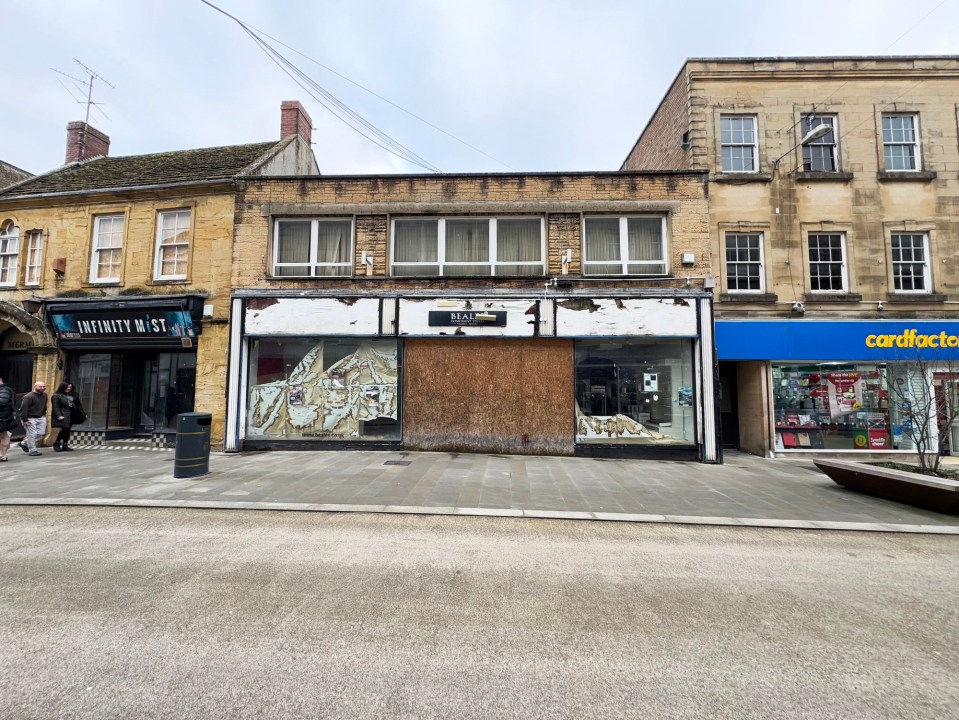
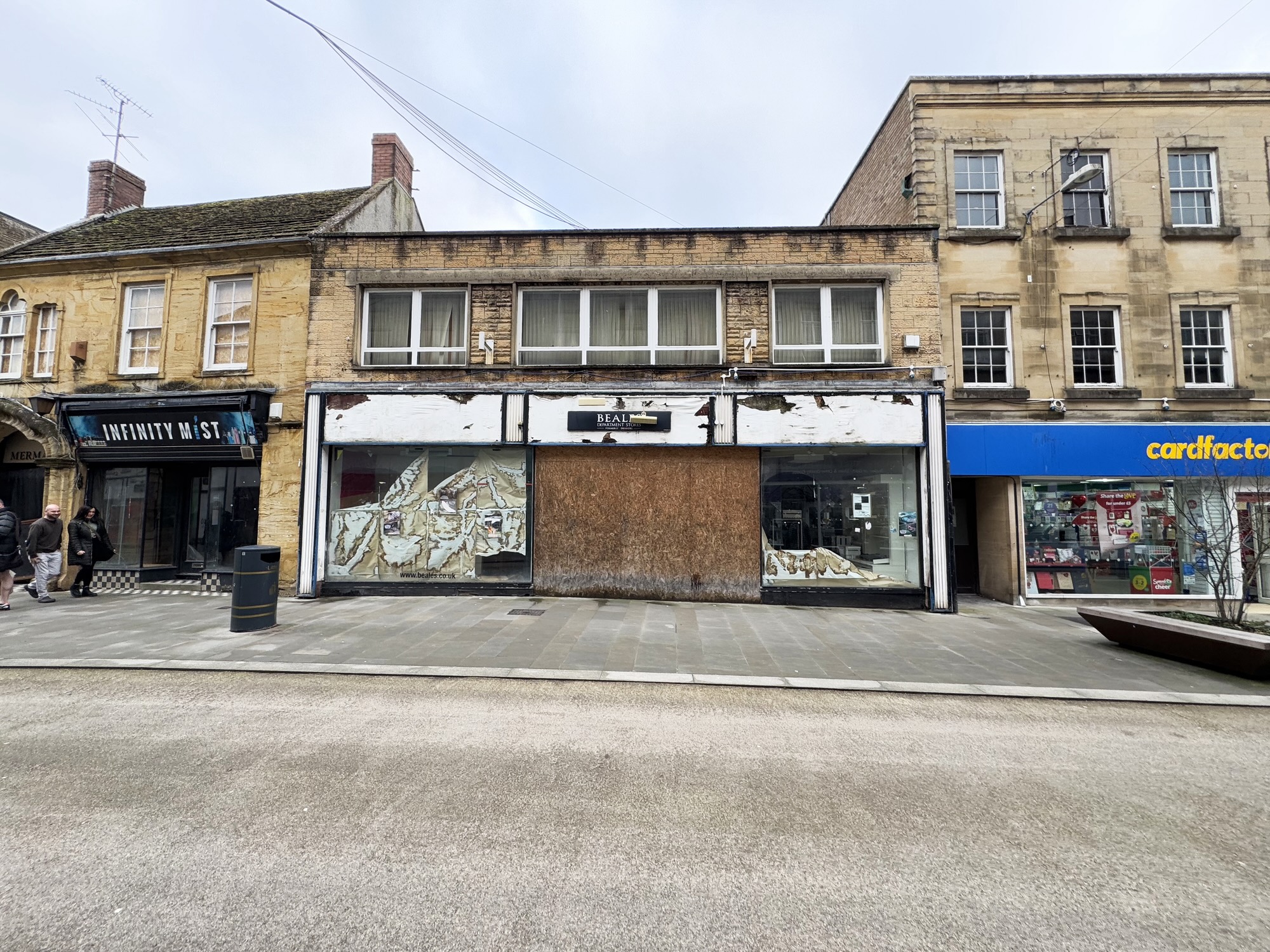
Now, all is changed, changed utterly. In recent years Store Street has spruced up and become a destination in itself. Gone is the usual ghastly British parade of tatty vape stores and tacky phone repair shops, next to a Tesco Metro screaming about Value Burgers in Migraine Blue, next to a betting shop that closed down in 2020 and was taken over by ten pigeons and a skunk addict.
How has Store Street avoided the fate of 97 per cent of British shopping streets? By imposing order, restraint, and dignity on the shopfronts. By insisting on certain colours, fonts, harmonious designs. By banishing cheap nasty souvenir stores that wheel their goods into the road so you can’t walk past, and instead renting the premises – with the signage rules agreed – to enticing bookshops, upscale Greek delis, fancy flower stalls, and chic independent espresso bars.
Of course, in doing this, Store Street is aided by many things. It is all owned by hugely rich Bedford Estates, who can pick and choose their tenants – and lay down the law on signage and display. It is also in central London, so there is business to be had. Nonetheless, it is quite an achievement, and it is – more importantly – an achievement that could easily be reproduced across the country, if only we had the culturally confident backbone.
How do we know this is true? Because we have proof on our continental doorstep. If you don’t believe me, pop across the Channel for some French retail therapy. You’ll soon find you’re in a different urban design universe.
And I’m not talking wealthy Paris, let alone the Champs-Élysées. I’m talking about, say, a random average town like Issoire, population 15,000, which has a McDonald’s that looks like the manager got thwacked with a petrified baguette when they used the wrong shade for their golden arches. I’m talking about a boulangerie with exquisitely arrayed cakes and a wooden sign dating back to 1880. I’m talking about a wine shop whose shopfront is hand-painted in cream and burgundy, and no one has ever thought to replace it with a huge garish LED sign saying CHEAP BOOZE in yellow and cerise.
The French didn’t achieve this visual restraint, beauty, and harmony by accident. They got this way by being bossy. By having actual rules and rule makers – such as the chartes des devantures and the mighty Architectes des Bâtiments de France. Along with the maire these can strike mortal fear into the heart of anyone who wants to name their barbershop Chop Chop Fadez Palace in magenta Comic Sans. Because the mayor doesn’t ask nicely. He or she simply says: ‘Your sign will be 40cm high. It will be in a serif typeface. It will be dark grey or deep green. And if you put a flashing puce OPEN sign in the window, I will send a burly man who can fine you €40,000.’
And: it works. The French high street looks like a place where people actually want to be, not a tragic, urinous urban corridor, vaguely resembling a Romanian casino that got hit by a tactical nuke, culminating in a shattered phone box so filthy it is shunned by horrified rats.
We could do this. We have the planning and advertising laws – they’re just gathering dust in a council office, next to a disused fax machine. What we lack is the nerve. Because somewhere along the line, Britain decided that ‘live and let live’ meant ‘live and let shriek’, along with, ‘oh no, imposing order might be classist, or snobbish, and anyway maybe we do want to live in a town that looks like Lahore’. No, we don’t. Lahore has many virtues, but we live in Britain.
Pop across the Channel for some French retail therapy. You’ll soon find you’re in a different urban design universe
So here’s my proposal: we send a delegation from every council in the UK to spend a weekend in, say, Uzès. Just walk around. Look at the handsome pharmacie. Look at the elegant tabac. Look at the way a town of 8,000 people has more visual dignity than the entirety of Birmingham. Then come back and look at, say, the place I live now. Camden. Where a discount mattress shop with no sign at all sits next to a ‘CASH 4 GOLD’ shop decked out in purple tinsel. Where the fried chicken outlet has a name which is, apparently, just two emojis and an apostrophe, and where a nail bar is, with a kind of anti-genius, called NAILS in screaming green.
Moreover, there is a hidden upside to all this, if we do get a bit French and dirigiste – or, if you patriotically prefer it, a little aristocratically English and noble – we may do social as well as aesthetic good. Recent investigations by the BBC have confirmed what every Briton with a brain has known for decades: many of these hideous ‘American candy store’ and ‘Turkish’ barber shops are shallow fronts for drug dealing, money laundering, illegal employment. And worse.
You see the positives. Once we decide to impose order on their design, we might find many of these places disappear, as the effort to make a lottery-ticket-convenience-vape-24-hour-liquor-dessert-and-kebab store look like it could easily be Belle Epoque, might be too much for the management. And then nicer shops will take over. And all of the realm shall come to look like Store Street, Bloomsbury, London WC1. Praise be.





Comments