
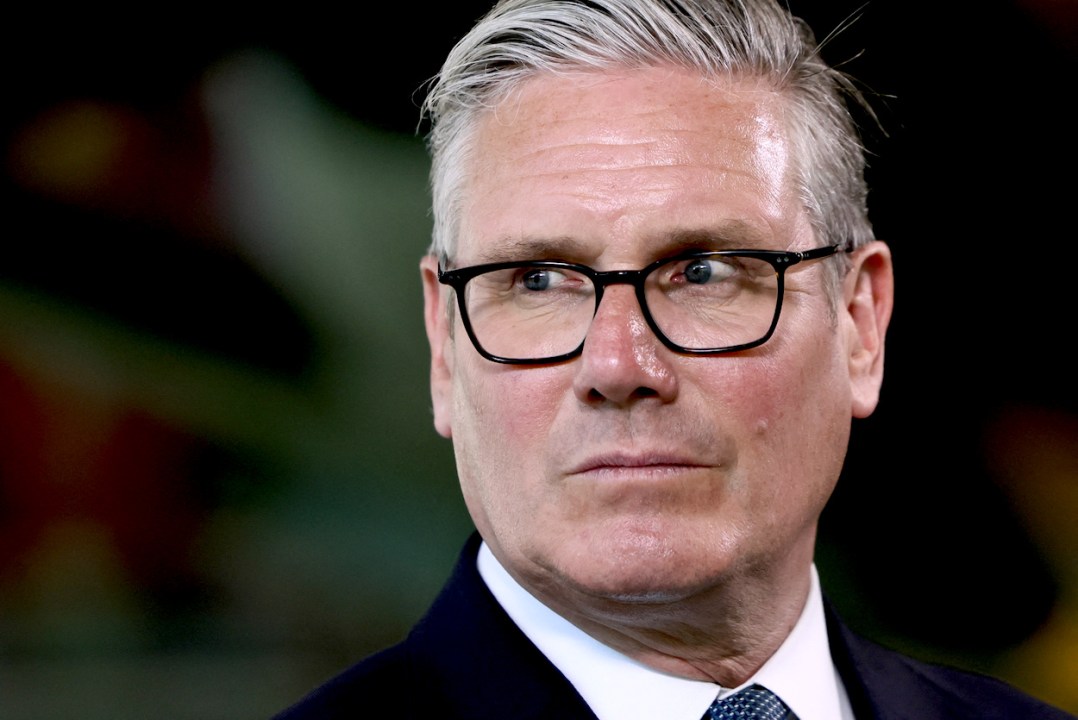
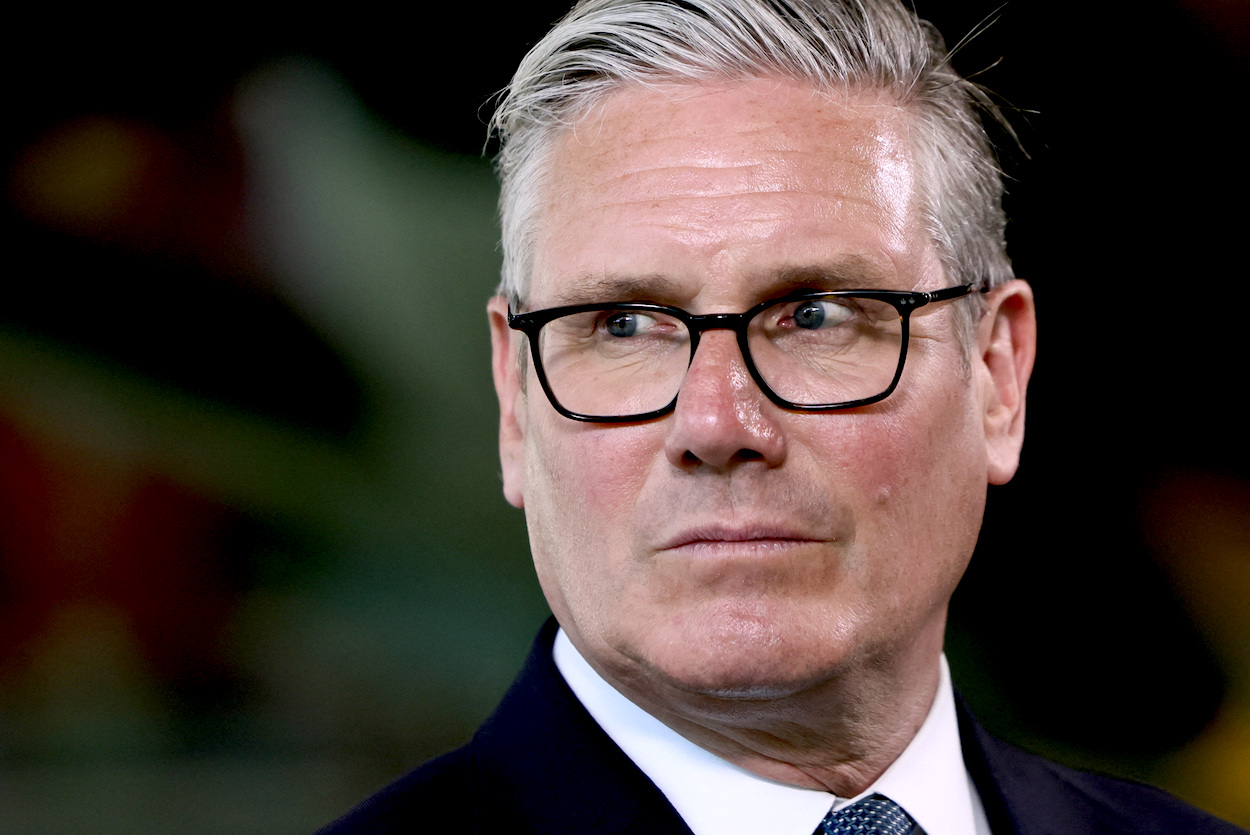
We have now reached the stage of political debate around Henry Nowak’s murder where politicians are talking more about tone policing than they are about actual policing. Keir Starmer has today condemned Elon Musk for ‘interfering in our politics in the last few days, trying to whip up division – that’s not who we are in Britain’. He added that: ‘When we have a terrible case like Henry’s case, Henry Nowak, we react calmly, as his family have done.’
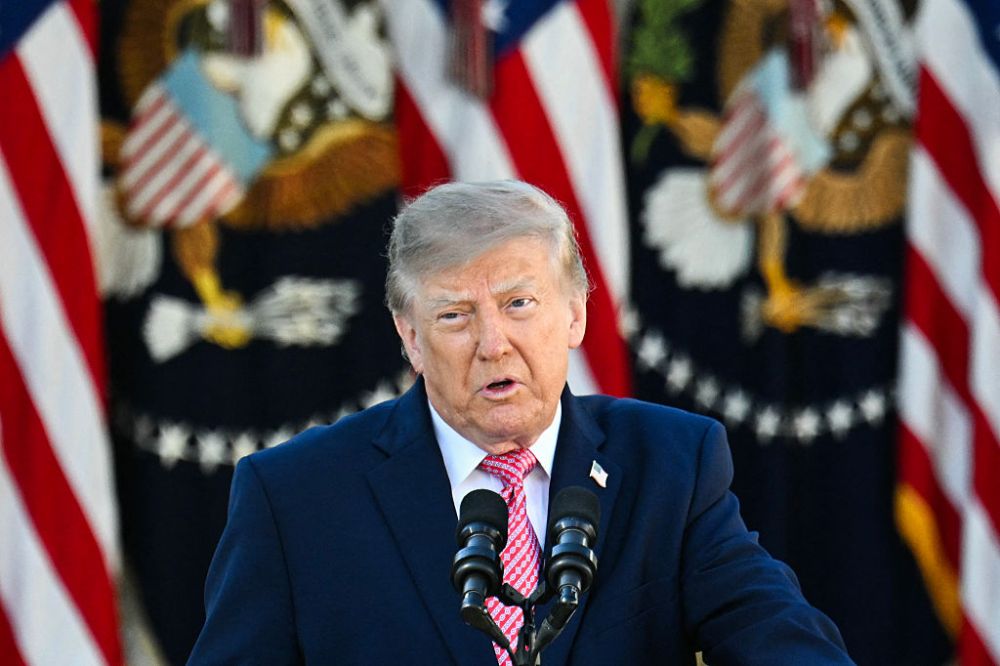
It is important for politicians to push back against attempts to create further division in society: part of the role of a political leader is to lead on the standard of debate, as well as the content. Kemi Badenoch has been much more effective than Starmer on the Nowak case, because she has managed to combine a certain raw emotion at the body cam footage with a strong line on the importance of public services, including the police, treating everyone equally. Thus she has offered a policy response as well as a marker on how to conduct the debate.
The problem with talking only about other politicians’ reactions to the case is that it ironically plays directly into Farage’s hands. This is not so much because it gives the Reform leader the oxygen of publicity: neither he nor Musk need Starmer to help them get attention. It is more because it takes the focus of the debate away from the painful but necessary soul-searching that the police and other services must carry out over their anti-racism policies. A culture war makes it much easier for institutions to put up their defences and to say that there is nothing to see here beyond an error of judgement in one case, whereas multiple cases in the public eye including the Southport killings and the Nottingham attacks suggest otherwise. A culture war prevents nuance and honesty. And culture warriors themselves are rarely interested in real reform anyway, as this would deprive them of their cause.
There is a difficulty for ministers at the moment, which is that the Independent Office for Police Conduct is still investigating the case, and so politicians can’t give their full verdict on what happened. Once that IOPC investigation concludes, then the debate in politics has to stop being about the tone that other figures are taking, and focus entirely on what leaders actually want to change.
By that point, the raw emotions that everyone who has watched the body cam footage of Nowak’s final moments won’t be so strong as to influence policymaking either. This is a difficult point to make, as politicians must have human reactions to appalling cases like this. But good policies are rarely made on the basis of emotional responses: in fact, if we look back over the past few years, many pretty badly designed policies have been introduced because politicians were acting on emotion, including, as it happens, on anti-racism. As well as setting an example on how to behave and debate, politicians also need to provide the rational response that prevents another tragedy or disaster – rather than inadvertently causing one.





Comments