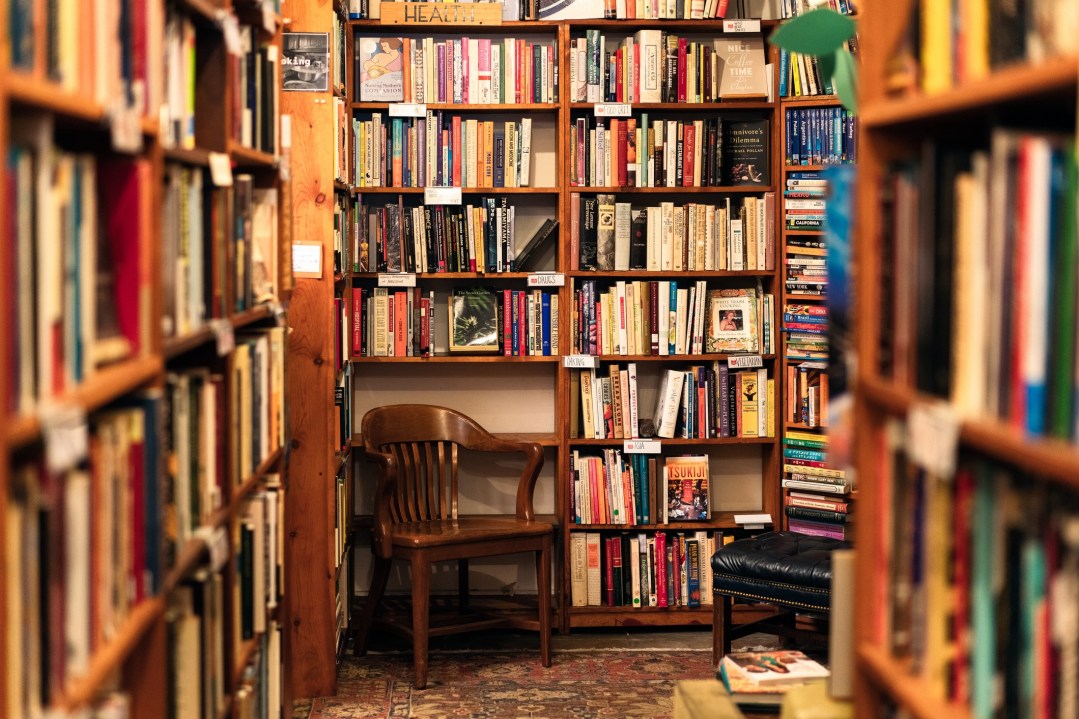
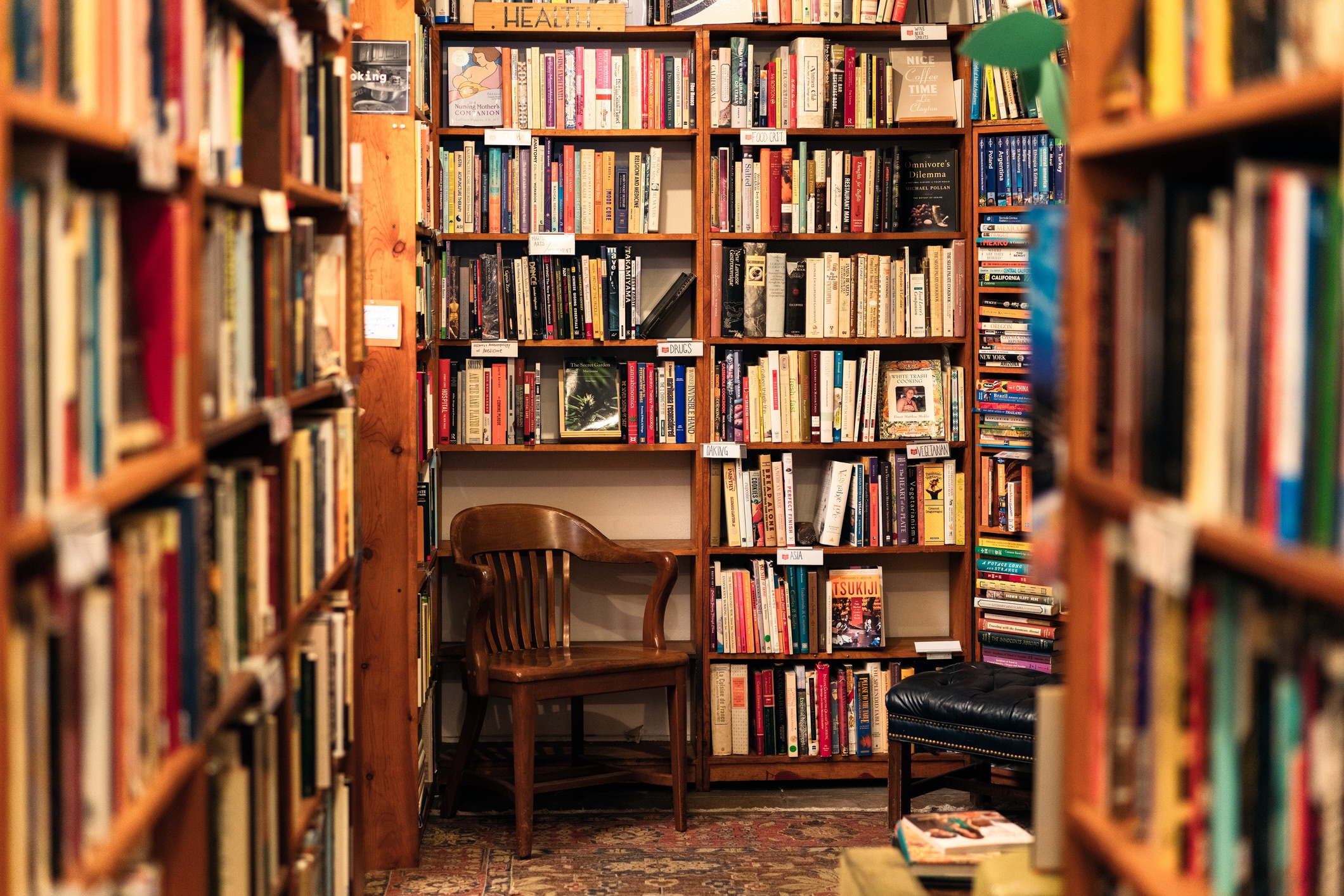
It has become commonplace for pessimistic bibliophiles like me to say that second-hand bookshops are an endangered species. You can pick your reason why – ever-increasing rents; competition from charity bookshops; the near-hilarious misanthropy that some old-school owners demonstrate, which will put all but the most committed punter off their establishment for life – but the reality might be that ever-declining sales of new books are mirrored by their antiquarian and used equivalents. We are constantly told that nobody is reading any more, because of reduced attention spans and the ubiquity of easy-to-digest podcasts. Surely this applies doubly, if not trebly, to mouldy old books, which – horror of horrors – come used, rather than in pristine condition?
Well not everyone sees the world like that, and two things happened recently that restored my faith in the trade. The first was the industry’s big set-piece event, Firsts, which takes place annually at the Saatchi Gallery in Chelsea. The preview night is full of noted book collectors (Jacob Rees-Mogg was in evidence, as he usually is) and wall to wall sparkling English wine; the idea being, presumably, that bibliophiles get tipsy on fizz and then decide to splurge tens of thousands – or more – on rare and valuable artefacts. I gazed longingly at signed T.S. Eliots and impossibly expensive children’s books, but even as I was window shopping, I was struck by the fact that people – including people in their twenties and thirties, who made up a very decent number of the attendees – weren’t just gawping but actually buying, indicating that the future of the high-end market, at least, is looking healthier than it has done for years.
Yet I was more reassured by something that I had privately assumed was about as likely to happen as the ravens leaving the Tower, or Labour once more finding an electable leader. My home city of Oxford, which has been a desert when it comes to second-hand bookshops for years, now plays host to a new establishment, Barker & Co, which is almost the platonic ideal of what a shop like this should be. Situated in the city’s Golden Cross area, a stone’s throw from the building that Shakespeare reputedly stayed at when he was travelling between Stratford-upon-Avon and London, it has all the hallmarks of an invaluably bookish addition to a supposedly literary city that has been punching below its reputation for years.
Staffed by a young, friendly and enthusiastic bunch of bibliophiles, it offers a well-chosen stock that offers everything from bargains – my daughter was delighted to acquire a couple of Paddington books, signed by Michael Bond himself, at a fiver apiece – to seriously expensive books (a first edition of Nineteen Eighty-Four is yours for a grand), but all are offered with the same good-natured and friendly attitude. There is none of the ‘can I help you’ aggression, so often a euphemism for ‘buy something or get out of the shop’, that has been found in establishments of this nature for years. There’s even, appropriately enough, a shop dog, Otto, an adorable 18-month Border Terrier who his owners say ‘enjoys playing fetch, sniffing all the sniffs, and 19th century French literature.’
For a long time, antiquarian book dealing was a profession for old fogeys
It’s early days for Barker & Company, but they’ve already got all the hallmarks of success, not least a slick Instagram account that treads a fine line between historical and literary know-how and the all-important business of selling books. In this regard, they’re following in the footsteps of other social media savvy booksellers, such as the young bibliophile Tom Ayling, whose near-300,000 followers on Instagram enjoy his enthusiastic, knowledgeable and, above all, fun short videos about the wonderfully rare stock that he’s selling. And even if you head to such august establishments as Maggs, Sotheran’s and Bernard Quaritch, you’ll see as many booksellers with tattoos, artfully styled haircuts and esoteric interests as your old-school gentlemen who could have been Oxbridge dons if they hadn’t decided that the life of selling books, rather than poring over them, was the one they wanted to embrace.
As someone who dabbles in buying and selling – emphasis on the buying, alas – I am heartened by the shift in the industry that has developed over the past couple of years. For a long time, antiquarian book dealing was a profession for old fogeys, repressed tweed-clad men who were often as dusty themselves as the volumes that they dealt in. Now, younger, decidedly hipper types are getting in on the action, and in the process they’re democratising an industry that for far too long has been seen purely as the preserve of characters who should probably have been put out to pasture long ago.
Granted, as someone whose major collecting interest is private press illustrated books from the Twenties and Thirties, I am painfully aware that I am not going to be seen as a fashionable type any time soon, but I have long made my peace with that. Book dealing still has plenty of life in it, and I, for one, am delighted.





Comments