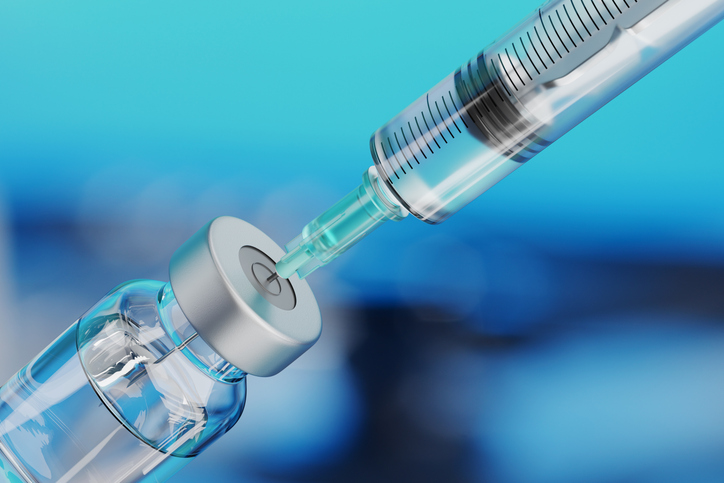
Older readers with bulging medicine cabinets, or parents eyeing their children’s distant futures, are not encouraged to read the New England Journal of Medicine – despite its prestige. A paper just published there, however, matters to them and to me. ‘In Vivo Base Editing of PCSK9 with VERVE-102 for Hypercholesterolemia’ is not a catchy title, but what it describes is going to catch on.
VERVE-102 is a combination drug designed to edit the bases of a gene – PCSK9 – using a development of CRISPR technology, all packaged so the edit reaches the cells that matter in the liver. Some of those born with superior versions of the PCSK9 gene have their lifetime risk of coronary heart disease – the world’s biggest killer – halved. For others it is all but abolished. The drug aims to bring the same benefits to those born without those genetic blessings.
Drugs can achieve the same benefit, but to a smaller extent, partly because nobody takes them from birth. LDL cholesterol can be lowered by a sensible diet, and lowered further by pills – statins are the best known – and these approaches are complementary, not mutually exclusive. Some years ago a new agent was developed, inclisiran, which also lowered this form of cholesterol. Once more, the impact was cumulative with diet and with statins. Inclisiran temporarily blocked production of PCSK9. Rather than taking a pill every day, you needed this drug only twice a year.
Single-shot medications will make medicine more powerful and less intrusive
Medicine can be a rational market. Doing a great deal of good can be the means, as Dr Johnson said of brewing beer, of wealth beyond the dreams of avarice. Eli Lilly, which bought the makers of VERVE-102 last year, stands to make a fortune. One step beyond inclisiran, VERVE-102 might, the new study suggests, need only one dose to make our bodies behave as though they carried the rare protective version of PCSK9. For now this is an early suggestion from a small trial in people selected to be at extraordinarily high lifetime risk of heart disease, and VERVE-102 may fail. But it shows the direction in which medicine is travelling.
As we get older, our bodies decay. Our blood vessels stiffen and fur up, our blood pressure rises, our handling of glucose and fat deteriorates. In the past, medicine’s interest was in the diseases these processes produced: atherosclerosis and ischaemic heart disease, hypertension, diabetes, obesity. Increasingly we now deal not just with diseases but with the decay that precedes them. We have always said that prevention is better than cure – increasingly we have the power to do both.
Many people complain that in doing this, we have medicalised normal life. The complaints are entirely reasonable: we have done just that. But many people are happy to take pills which keep them healthy. They get more years of life – and more healthy years too. To force people to take these drugs would be offensive, but to deny that very many people feel it an attractive deal – a few pills each day for a better chance of seeing grandchildren grow up – is stupidity posing as sensitivity.
So far it’s been easy to overlook how much the equations change as the drugs move away from being daily pills. Take the example of ezetimibe, which by curbing cholesterol absorption makes a tiny difference to your chance of having heart problems. In return for taking a pill each day you reduce your relative risk by 6 per cent – a reduction verging on meaningless unless your absolute risk is high.
But we know that the drug hits a target which makes more of a difference over the long term. People born with the best genetic version of that drug’s target carry about half the lifetime risk of cardiovascular mischief. To dose babies daily from birth onwards would be insane. But a single intervention that gave that child the prospects of the lucky few? That would be a different matter.
The data from VERVE-102 are from a phase 1 trial, but they are superbly promising. A single dose lowered LDL cholesterol to roughly the level you’d get from high-potency statins taken every day – and it stayed down. Much can go wrong in the larger trials a drug needs before being prescribed, and those you give to healthy people have to have fewer side effects than those which treat disease; benefits must exceed harms. One-and-done drugs have their own hazards: can you switch genes back on and be certain when you need to?
But PCSK9 is one of the best places to start: we have studied people who carry its variants for life, and their story runs as well as it can. Single-shot medications will reduce the bulge in our medicine cabinets, give our children longer and healthier lives, make medicine more powerful and less intrusive.
Medicines that we take only a few times, or only once, and which permanently alter the trajectory of our lives for the better, are on the way. Those who feel them to be intrusions can turn them down. Unlike vaccines, your choice puts no one else’s health at risk. Most people will welcome them.
I have just returned from a Bank Holiday weekend walking in the Lake District, and last night sat in my garden on a balmy May evening, where a glass of the world’s finest Provençal rosé (Bandol’s Tempier; I prescribe it) beckoned to me. Many people find life larded with friendship, family, appetite and interest. Medicine’s job is to give us time for more of this. Death in old age is inevitable; death before old age is not.





Comments