
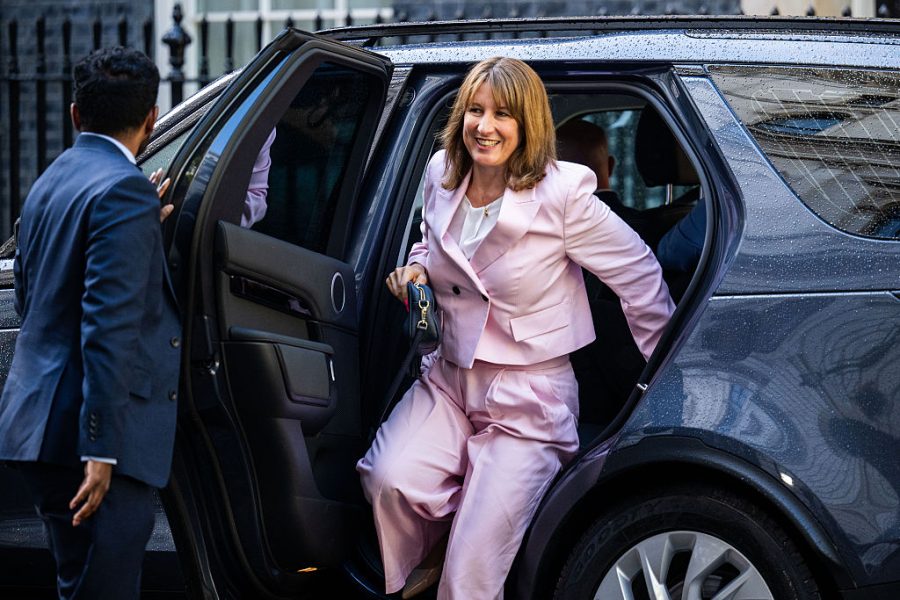
It has been, to put it politely, a very long wait. But it is possible that Rachel Reeves may have finally discovered that it is possible to cut taxes as well as raise them. Later this week, she is widely expected to shelve the planned 5p rise in fuel duty. Who knows, perhaps she may finally figure out that when the state takes less out of the economy, it can grow faster?
Fuel duty was scheduled to rise by 5p a litre in September, ending a freeze on the tax first introduced by the last Conservative government. As part of a package of measures to address the rising cost of living due on Thursday, Reeves is now expected to scrap that. The war in Iran has already pushed the price of petrol up from 132p a litre to 158p and diesel from 142p to 186p and it may well go a lot higher over the next few weeks. An extra 5p on top of that would have hit motorists hard.
Reeves should be in a position to give motorists some relief
The reported reason for Reeves’s decision to scrap the hike in fuel tax is that it has become easier to afford. True, scrapping the rise will cost an estimated £2.4 billion in lost revenue. But VAT is already levied on petrol and diesel, as well as fuel duty, so as the price of fuel goes up, the government rakes in more money anyway. The slightly better than expected growth figures last week, with a 0.6 per cent expansion in output in the first three quarters of the year, have also slightly improved the fiscal position. Of course, the ‘Burnham premium’ now in the gilt yield means Reeves will have to find more money to pay the interest bill. Even so, she should be in a position to give motorists some relief.
The elephant in the room is that if Keir Starmer goes as prime minister, Rachel Reeves is unlikely to be around much longer as chancellor. If the Labour party replaces its leader, it is hard to imagine that the new prime minister will want to keep her in place. A dour, unimaginative chancellor, she is among the most unpopular ministers in the government. Indeed, she may bear more responsibility for the government’s collapsing popularity than even Starmer.
If she does by some miracle survive, however, perhaps she will finally learn the lesson of the fuel duty cut. The British economy has been crushed by a whole series of tax raids over the last two years, destroying investment and killing business and consumer confidence. Reversing those levies can be an improvement. If Reeves tried reducing a few more, the economy might even finally start to expand at a respectable rate again.






Comments