
After a century of hegemony, Welsh Labour is set for an historic wipe out tonight. Results for the 96-man Senedd are still coming in but all signs point to the natural party of Welsh government being consigned to a distant third place. Both Plaid Cymru and Reform have been effective in recent weeks in squeezing the Labour vote by framing the Welsh elections as a two-horse race. Much as we saw in the Caerphilly by-election, it looks like Labour has been squeezed out of the contest.
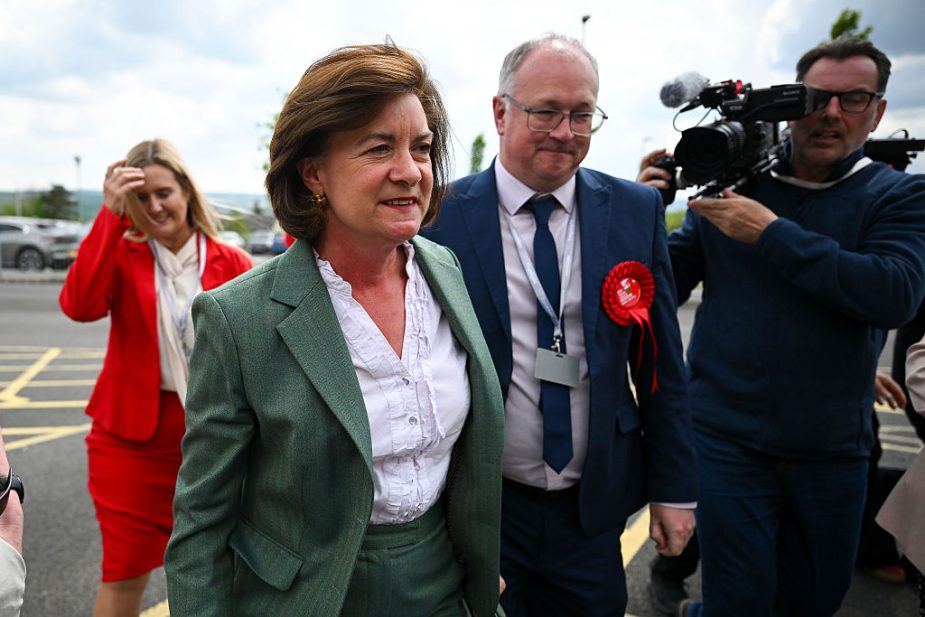
That means a very bad evening looms for Eluned Morgan, first minister since 2024. She has lost in Ceredigion Penfro and thus become the first sitting head of government in the United Kingdom in modern times to lose her seat. Amid talk of the ‘Welsh Portillo moment’, Morgan has said she will resign as leader, with a party spokesman telling the BBC that Labour is expecting to return only ‘around 10’ Senedd members – it had 30 before this election. With 49 seats necessary for a majority, Plaid Cymru and its leader Rhun ap Iorwerth are expected to win between 41 and 46 seats.
Some in Whitehall fear the change of government could herald an awakening of national sentiment that spurs demands for Welsh independence
Such a result would make a Plaid–Labour deal seem likely. The Welsh nationalists have propped up minority Labour governments for much of the past 25 years. Now, the boot is on the other foot with ap Iorwerth almost certain to become first minister. That will mean three nationalists heading the governments in Cardiff, Edinburgh and Belfast, with major potential difficulties for Keir Starmer and his colleagues in Westminster. As I wrote last month, some in Whitehall fear the change of government could herald an awakening of national sentiment that spurs demands for Welsh independence – much as we saw with Scotland in 2007 after Alex Salmond seized power.
Reform UK meanwhile have successfully cemented themselves in Wales as the pre-eminent party of the centre right. A handful of politicos at the top of the party – known as ‘the Taffia’ – have ensured the party’s growth since 2024, building on the success which Nigel Farage’s parties endured during the Brexit years. The likes of Powell, Ed Sumner and Matt McKinnon will take particular satisfaction in the results tonight, which now give Reform the potential to reshape the dynamics of Cardiff Bay. One source estimates 150 staff there will be needed: there is now a chance to nurture and develop a new Reform ecosystem for staff ahead of the 2029 general election.
That lies in the future. For now, politicos can gawp in wonder and horror at the destruction of the world’s most successful party in their supposed heartlands. In Blaenau Gwent – the onetime stomping ground of Michael Foot – Labour did not win a single one of the six Members of the Senedd. Three went to Plaid and the other three to Reform, with one victor being Llyr Powell, defeated in last year’s Caerphilly contest. In 2021, at the last election here, Labour won almost half the votes in this area. Now they have failed to win a single seat: a reflection of the now d’Hondt voting favouring larger parties.
As Morgan ruminates on the end of her career tonight, she might well spare a thought for the predecessors who came before her. It was Mark Drakeford who foistered on her party the voting system which proved so ruinous for Labour’s chances tonight. It was then Vaughan Gething who – in six short months – tanked Welsh Labour’s reputation for competence. But if she wants to find the main villain in her party to blame for this defeat, she only needs to look eastwards to London. Unlike Anas Sarwar, Morgan did not call for Keir Starmer to go before this election. Given the almighty shellacking has party is currently enduring, perhaps she now wishes she had done differently instead.





Comments