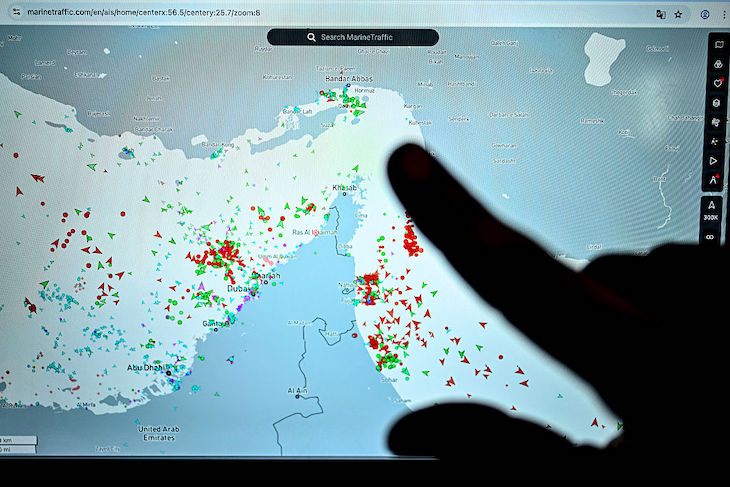
The war with Iran is exposing a vulnerability at the heart of the global gas market: the extraordinary concentration of liquefied natural gas supply in the Persian Gulf. Qatar alone accounts for roughly a fifth of global LNG exports, almost all of it passing through the narrow Strait of Hormuz. The conflict has illustrated how easily a single maritime chokepoint could interrupt a significant share of the world’s gas trade.
Even if the war ends soon, the vulnerability it has exposed will not disappear
President Donald Trump has suggested the conflict may soon end, describing the campaign as largely achieved and possibly over “very soon.” The Gulf monarchies also appear eager for a quick resolution, even as they continue to face missile and drone attacks.
Two decades ago, such restraint would have been difficult to imagine. In the aftermath of the Iraq War, regional leaders feared the emergence of a so-called “Shia Crescent,” an arc of Iranian influence stretching from Tehran to the Mediterranean. Yet despite Iran’s missile strikes on Sunni-Arab Gulf states, and Turkey’s involvement in wider regional tensions, the conflict has remained strikingly non-sectarian. Sunni and Shia clerics have largely avoided denunciations of one another. The Houthis in Yemen have not entered the war, and Saudi Arabia’s Eastern Province – home to a frequently restive Shia population – has remained quiet. In a region long scarred by sectarian violence, particularly during Iraq’s Sunni-Shia civil war, that restraint is an achievement worth preserving.
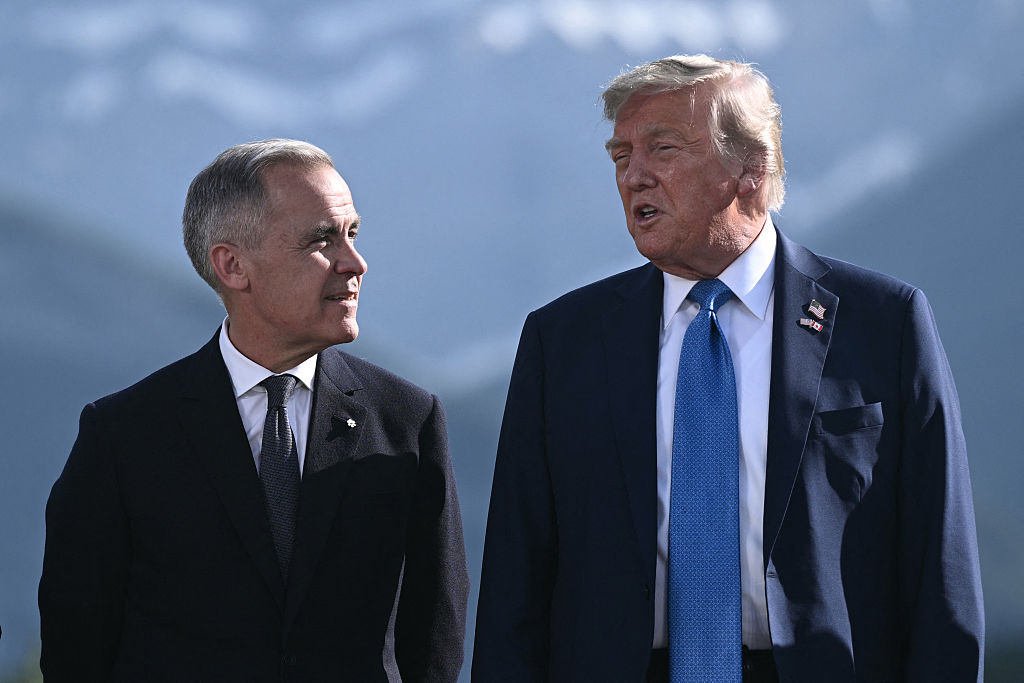
But the conflict is also accelerating a quieter transformation in global energy strategy – away from reliance on a handful of fixed exporters and toward a more dynamic ecosystem of market actors capable of responding quickly to disruption. Iran has warned that oil could reach $200 a barrel as its attacks on ships intensify in the Strait of Hormuz. Overnight, explosions were reported on two ships passing through the narrow sea passage. It’s a painful reminder of how quickly conflict in the Gulf can reverberate through global energy markets. The price spike will fade. The structural vulnerability it exposes will not.
Private energy traders such as Glencore, Vitol, Trafigura and BGN Group may ultimately prove as important to energy security as the traditional oil majors like Chevron or Shell. Unlike large integrated producers, traders can react quickly when disruption strikes, rerouting cargoes and tapping alternative supply chains in real time. BGN Group, for example, operates a diversified fleet of liquefied petroleum gas, LNG and crude carriers; as the largest buyer of American LPG, it can redirect supply rapidly between regions when geopolitical shocks disturb established routes.
These privately financed logistics systems are becoming a form of strategic energy insurance. As maritime risk rises – particularly around the Strait of Hormuz – traders are increasingly helping ensure that energy continues to flow, even as traditional supply chains come under strain.
NATO allies should take note. Protecting energy supply chains must become a central pillar of collective security strategy. This could include expanded energy security consultations within the alliance – a kind of informal “Energy Article 5” signaling that major disruptions to an ally’s energy supply will trigger a coordinated response. NATO and EU naval missions already operating in the region could also be mobilized to escort commercial vessels through high-risk waterways if necessary.
The slow reaction of countries like the UK – the Royal Navy destroyer HMS Dragon finally left port on Tuesday after days of delay – will be noted by Iran unless NATO makes its aims clear. Hybrid strategies, combining private capital and state action, can reduce the West’s vulnerability to hybrid warfare, whether launched by Russia or Iran.
Even if the war ends soon, the vulnerability it has exposed will not disappear. A fifth of the world’s LNG still passes through one narrow strait. As long as that remains the case, conflict in the Gulf will never be just a regional issue. It will always carry the potential to become a global energy crisis.


Comments