
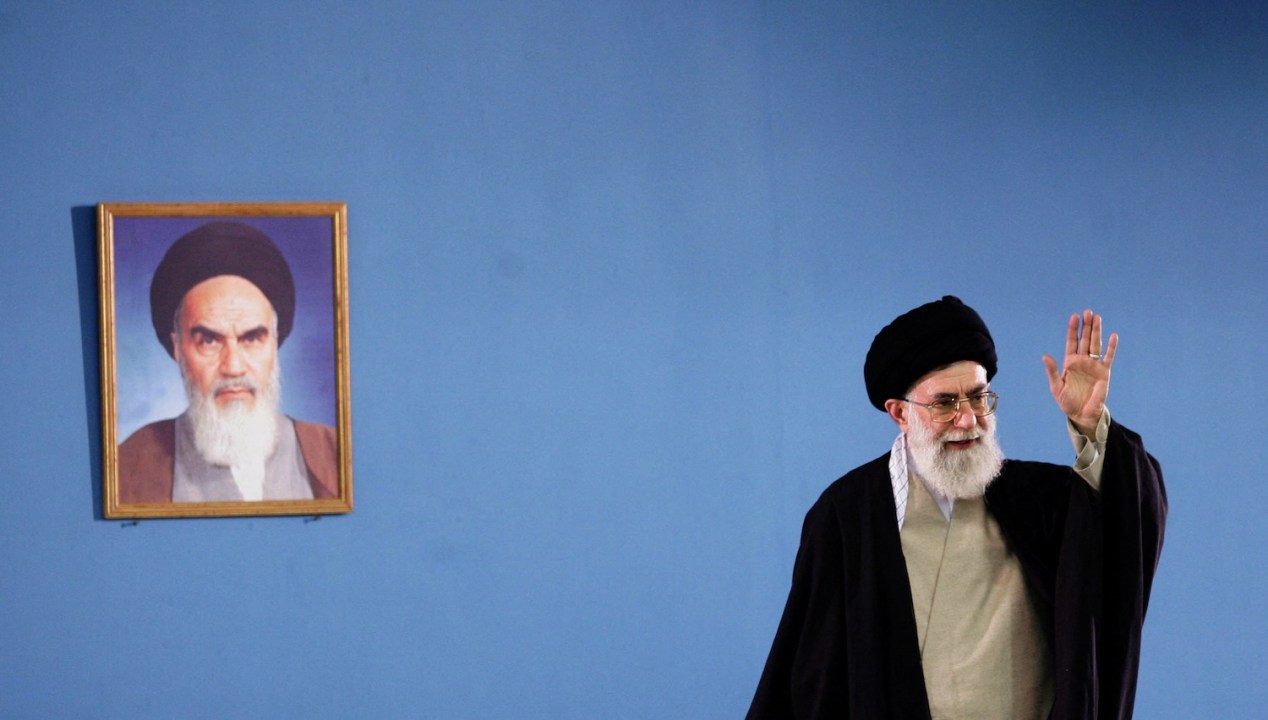
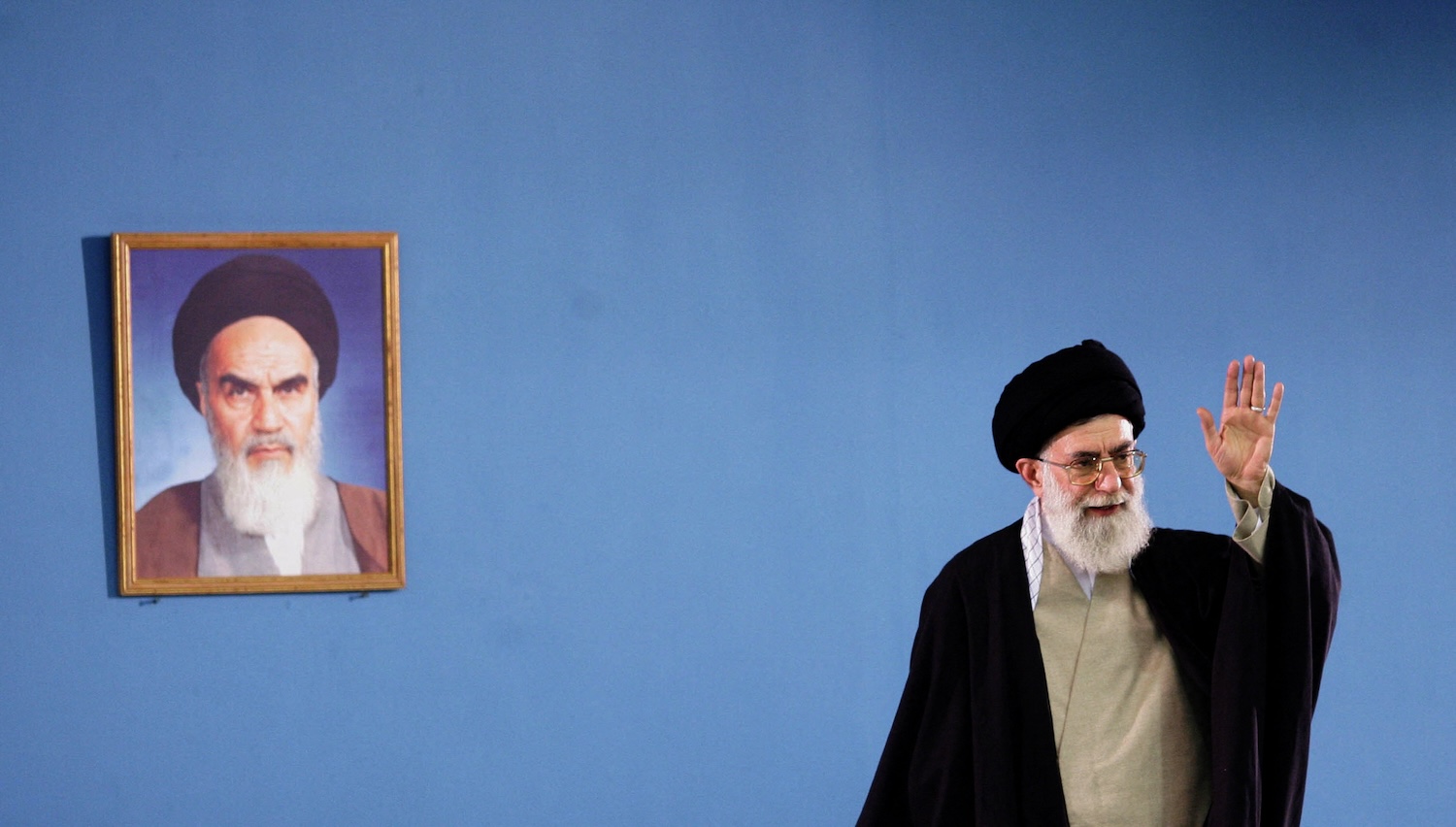
The Israeli-American air campaign against Iran will have profound global repercussions. What those repercussions will be depends on two crucial factors. First, will the bombing campaign remove the Shi’ite Islamist regime from power? We do not yet know if the campaign can accomplish that ambitious goal without foreign troops on the ground. If the US and Israel can do that, it would be an unprecedented achievement.
Second, if the Islamists are removed, will the successor regime be stable and effective? Will it be able to control the streets and countryside, prevent successful breakaway regional movements, and begin the arduous process of rebuilding the country? Can the factions currently opposing the old regime join in supporting a new one or will they fracture? Could a new regime actually govern the country? Or will it be tied down in internal struggles over who will govern?
An even worse prospect is civil war or a deadly, ongoing confrontation with local terrorists. That kind of chaos would be catastrophic for the long-suffering people of Iran. And it would be catastrophic for the Trump administration, which promised no long-term foreign entanglements.

No one can answer these questions after only a few days of bombing, however successful the opening strikes have been. Those strikes killed nearly all the regime’s senior leadership. They wiped out Iran’s command-and-control structure, a vital prop of the regime. Future American and Israeli bombs will eliminate the regime’s remaining missile and naval assets, as well as the nuclear program it was trying to rebuild. Less certain is whether it can eliminate the regime’s lethal apparatus for suppressing domestic opposition.
Already the regime’s capacity to fund its terror proxies across the region has been destroyed. This bombing campaign and the one several months ago, together with tough economic sanctions, ensured that. What is still unclear, though, is whether the campaign destroyed the Iranian Revolutionary Guard Corps’ instruments of repression. Those thugs are certainly willing to keep killing and imprisoning dissidents. But are they able? We will learn over the next few days.
The regime’s remnants still have two lingering advantages. First, they are far better armed than their civilian opponents. Second, they do not face an invading army of ground troops, which could establish control and maintain it. The troops of the old regime will fight hard to maintain their control, knowing they face death from a vengeful population if the regime falls. They have every reason to fight to the bitter end.
The regular army, as opposed to the IRGC, does not have those incentives. The hope is that many of its soldiers will abandon the regime and join their countrymen in opposing the theocrats, the IRGC, and the paramilitary Basij Resistance Force. This toxic uncertainty inside Iran will shape the war’s impact across the region and across the globe.
For the Trump administration, the impact depends on whether the air campaign leads to success on the ground. “Success” means not only replacing the old, Islamist regime but replacing it with a new, pro-Western regime. The objective is a regime that can ensure its stability, limit the number of US casualties, and avoid a deadly, long-term entanglement of exactly the kind Trump promised to end.
The less stable the new Iranian regime, the more casualties the US suffers, the worse the consequences for Trump and the Republicans. Failure in Iran would shred Republicans in the midterm elections. It would fuel an even more powerful isolationist movement in both parties and more open, virulent anti-Semitism from both the right and left. They will unite in screaming, “This war was never in America’s interest. The Jews dragged us into it.”
If Trump’s gamble succeeds, however, Democrats will pay a high price for their near-unanimity in opposing this operation. True, the US economy will be far more important to voters, as it always is, but they will also care about success or failure in the Middle East and the associated costs, human and financial. Moreover, success abroad would likely prompt a surge of patriotism at home. It’s not hard to figure which party benefits from that.
If Trump does manage to take out a lethal adversary without ground troops, cementing a friendly relationship with Iran’s new rulers, his party will have a strong record to tout. It won’t be hard to contrast that positive record with the history of appeasement by Democratic opponents. On the other hand, if Iran descends into chaos, Democrats will say, “I told you so,” and voters will agree.
Internationally, the big losers if Tehran’s Islamist regime falls are Russia and China. They lose in at least two ways. First, each will have lost a major ally, one that offers both diplomatic support and trading opportunities.
Israel’s major regional opponent will shift from Iran to Turkey
The key point for Putin is that, regardless of the outcome in Iran, he has lost one of his few remaining allies and trade partners. A new regime won’t trade with them, and the old regime won’t have the resources, even if it manages to hang on. The Kremlin also faces the loss of Shahed drones for its war in Ukraine. Those drones have been an essential part of the Russian war. Losing that supply chain will hurt, even though Russia has its own drone factories. Russia faces other losses, too. Who will buy its expensive radar and air defense equipment after they failed so completely in Venezuela and Iran? No one. For China, that means the loss of steeply discounted oil, which Iran is forced to sell cheap because of American sanctions. China already lost its cheap oil from Venezuela because of US military action there.
Second, both Russia and China lose reputationally because they were unable to offer effective support to their ally in its hour of need. That failure comes on top of “Operation Midnight Hammer” and successful US action against Venezuela, Syria, and, most likely, Cuba. Those abject failures are very bad news for Moscow and Beijing’s efforts to form global alliances to counter the United States.
The Middle East itself will be reshaped by the war, regardless of the outcome. If the Islamist regime survives, it will be a diminished power. It won’t have the resources to fund regional proxies or the missiles to threaten Israel or Europe. Its closest partner, Qatar, will face intense pressures to end its support for Islamic terror across the region. The Houthis in Yemen, true religious fanatics, will continue their war against everything Western. They will, however, lose their vital supply of Iranian money and missiles which they use to threaten regional shipping, Israeli cities, and Saudi oil fields. Those are major pluses for the West. So is support from the small Gulf states, who began voicing that support openly after Iran fired missiles at them. The delicate term for that Iranian strategy is “self-defeating.” The blunt term is “stupid.”
The biggest regional winner, by far, is Israel. It clearly emerges as the strongest regional military, whatever the war’s outcome. No other power has anything close to its military capacity, its intelligence network, or its growing, innovative, high-tech economy. Expect the Gulf States, which already had good relations with Jerusalem, to deepen those ties. Add to those the Jewish state’s strong, new ties with India, underscored by Prime Minister Modi’s visit last week.
The Saudis are second only to Israel as regional winners from the war
Israel’s major regional opponent will shift from Iran to Turkey, at least as long as Erdogan remains in power. He is an Islamist and a fierce opponent of Israel. Now, with the Mullahs gone, he leads the region’s strongest Islamist power. He will continue to support Hamas in Gaza, partner with Egypt and seek closer ties with Saudi Arabia, if they are willing. Any regime or terror group that opposes Israel will now turn to Turkey.
The Saudis are second only to Israel as regional winners from the war. With Iran weakened, Saudi oil fields will be much safer and the Straits of Hormuz will soon be open again for tankers. Even if Iran’s Islamist regime manages to hang on, it will lack the capacity to inflict major damage on the Saudis.
Western analysts, always optimistic, have said that this new environment opens the way for the Kingdom to finally sign on to the Abraham Accords. That seems likely, but there is at least one counter-current pushing against it. The main reason the Saudis were moving closer to Israel was the IDF’s protection against the Iranian threat. With that threat seriously diminished, the Saudis have less reason to seek Israel’s security umbrella. There are still powerful economic incentives for closer ties, of course, since Israel is the region’s most advanced economy. But there are fewer security incentives than there were last week. So, Mohammad Bin Salman faces a choice.
Finally, the war is bound to reshape American global orientation in fundamental ways. Washington is gradually shifting its focus away from Europe. The US hopes to shift resources away from the Middle East too. They will be able to do so if the Iranian regime is defeated and replaced by a stable successor. The new focus will be dominance in the Americas and deterrence in the Pacific, where China poses a looming threat.
Taken together, these changes will reshape global politics. Some are already happening. The rest hinge on the outcome of Trump’s daring gamble in Iran.




Comments