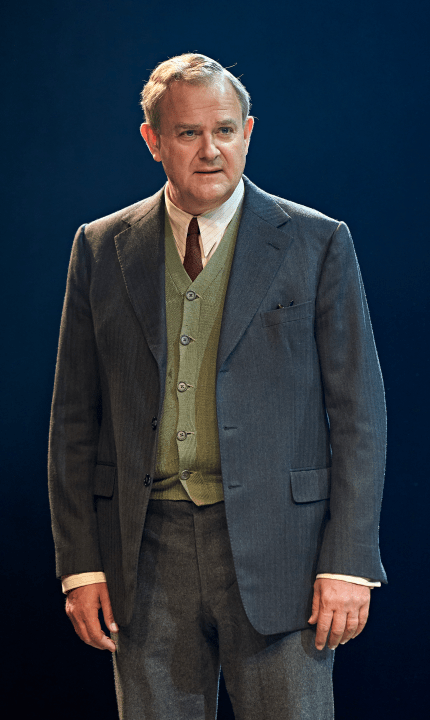


Shadowlands, by William Nicholson, is a solid and unsurprising account of the brief marriage between C.S. Lewis (known as Clive), and the American poet Joy Davidman. Her cancer diagnosis overshadowed their romance but they snatched a few lustful holidays together before she expired in an NHS hospital in 1960.
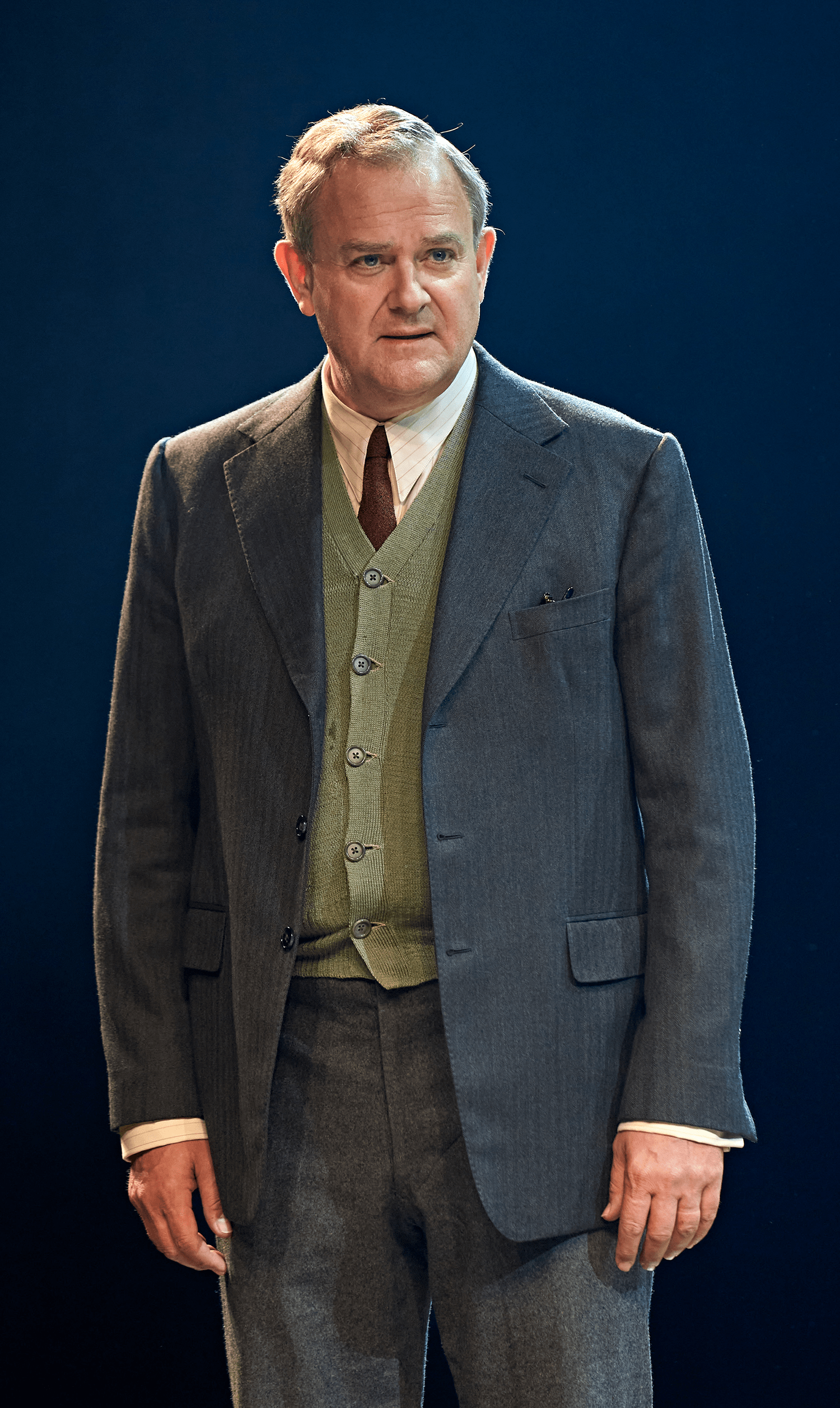
Hugh Bonneville, as Clive, delivers his standard three-note performance – bemused decency, bumbling hesitation, ironic charm – which tells us nothing about the author’s inner life. Bonneville has succeeded in building a huge presence in the movie industry from an almost complete dearth of actorly qualities. He’s not handsome, sexy, tough, athletic, amusing, mysterious, evil or even slightly unpleasant. He’s not brilliant or stupid. He’s not admirable or despicable. He’s like pasta in an Italian kitchen – a tasteless yielding blandness that allows real tastes and flavours to stand out. No one has ever spotted a young star and said: ‘He’s the next Hugh Bonneville.’ And his vacantly pleasing exterior makes him a good choice to play the tweedy academic plodder whose freakish imagination created Narnia. But rather than examining the origins of those batty horror stories, the script focuses on the tepid evolution of Clive’s geriatric fling with Joy. First, they get married to secure her right to live in Britain. Later they forge a sexless and rather awkward friendship. Not exactly riveting.
You’ll see better acting at the Edinburgh Fringe but never mind
The best scenes concern Clive’s attempts to get the smug, misogynistic dons at Oxford to appreciate Joy’s intelligence and vivacity. Her clashes with the waspish Professor Riley (brilliantly played by Timothy Watson) are the highlight of the evening. And the recital of her exquisite lyric, ‘Snow in Madrid’, suggests that she might have become a major poet. The script needs a lot more Joy and a lot less Clive.
After their cold and nunnish flirtation, the pair finally plunge into a red-hot romance after Joy’s near-fatal collapse and her terminal diagnosis. Death becomes the aphrodisiac that turns them into sex athletes. But only for a bit. When Clive receives news that the NHS has failed to save Joy’s life, he covers his face with both hands, leans forward in his chair and heaves his shoulders up and down. You’ll see better acting at the Edinburgh Fringe but never mind. Bonneville is Paddington’s saviour and that’s enough to make the box-office hum.
Man and Boy is a late play written by Terence Rattigan when the fickle theatre world had tired of his beautifully crafted upper-class tragedies. In 1963, he created a sprawling melodramatic yarn about a monstrous Romanian banker, Count Gregor, who tries to hoodwink Wall Street’s leading brokers into saving his skin. High finance and international money markets are not Rattigan’s natural terrain and he struggles from the start.

The play opens as a weird stand-off in a New York apartment between Gregor and his son, Basil, who works as a jazz pianist in America but speaks with a posh English accent. The father-son dynamic is coloured by a strange shooting incident that took place five years earlier when Basil tried and failed to execute his dad. This murder attempt is mentioned constantly but it doesn’t affect the developing action. And as soon as Basil has been sidelined from proceedings, the script focuses entirely on the wicked Gregor and his unpleasant crew of crooks, yes men and hangers-on.
Perhaps this was a screenplay that got turned into a stage drama by accident. Something feels wrong here. Most of the characters are dipsomaniacs who drink hard liquor non-stop which suggests that the author was similarly fuelled during the writing process. Ben Daniels does his best to find the right blend of menace, charisma and warmth for Gregor but he faces three insurmountable hurdles: the story, the dialogue and the staging. The badly organised script lacks a likeable hero. The script becomes tiresome to listen to because Gregor has to speak in a grating east European accent throughout.
And the director Antony Lau treats the text as if it were a popular classic that deserves a fresh interpretation and he tinkers and fusses with the structure. He changes the chronology and dresses the actors in 1930s garb but creates a modern set that looks like a cheap office with an Ikea table in the middle. The characters keep leaping up on to the table to deliver speeches before jumping down again. It’s like a vaulting horse in a gym. The lack of visual coherence makes the show feel rootless, tentative and unreal. It could be a rehearsed read-through in a studio space.
The show’s unlikely star is the Contessa, a cameo role played by Isabella Laughland, who shows up in act two and starts moaning about her trivial woes. She’s drowning in furs and brimming with fury. Excellent work from Laughland who deserves a pop at a leading comic role. Only bored academics and Rattigan specialists will want to see this botch job.





Comments