
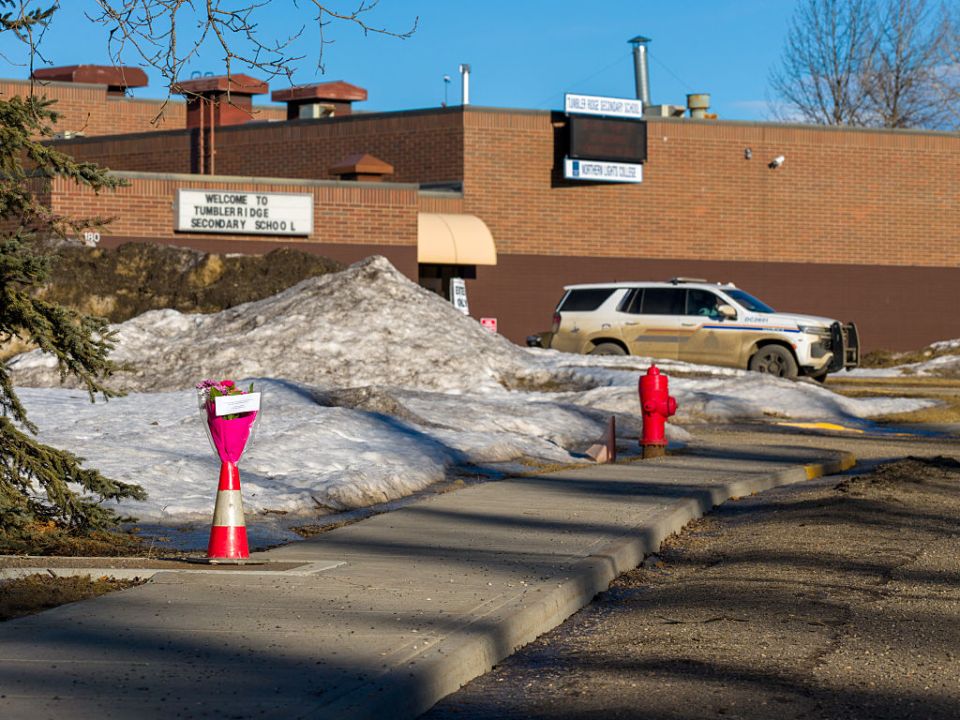
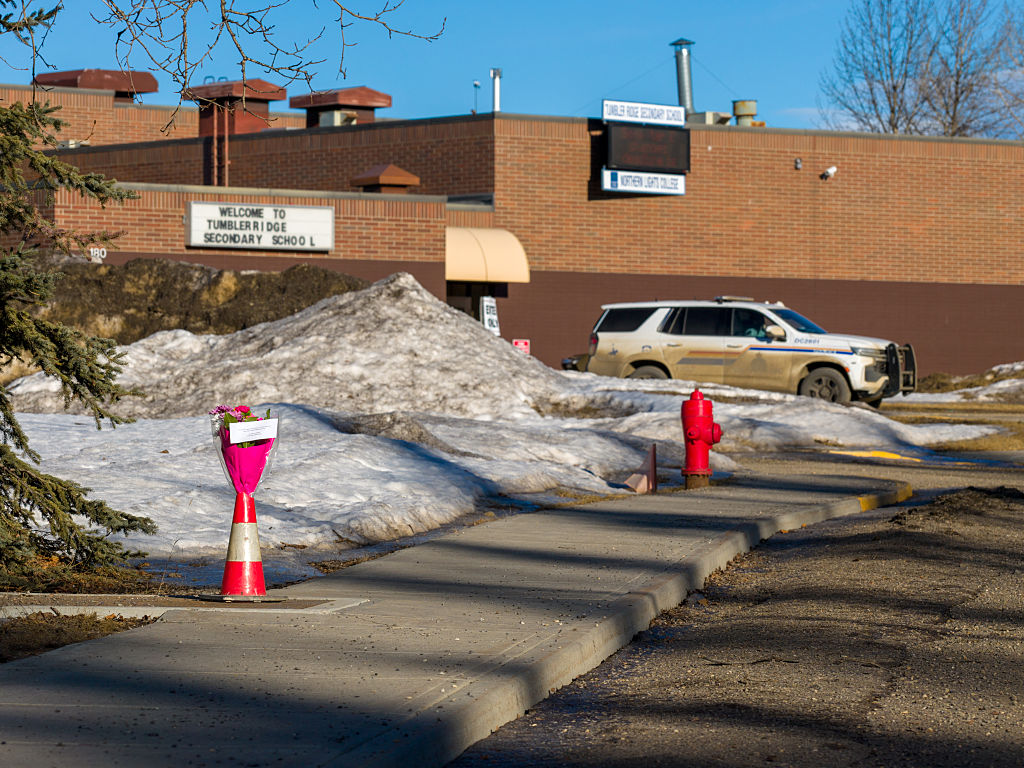
A horrible and incredibly sad tragedy unfolded on February 10 in the small town of Tumbler Ridge in British Columbia, Canada. An 18-year-old, Jesse Van Rootselaar, also known as Jesse Strang, turned a gun first on his mother and stepbrother, then on young students and a teacher at his former high school, and finally on himself – with nine reported dead, including the shooter, and at least 25 injured.
Waves of shock, grief and horror have rippled across the nation. This was one of Canada’s worst school shootings, the deadliest in 37 years. It seemed especially cruel because Tumbler Ridge is such a tightly knit community, with only about 2,400 inhabitants.
Public outrage began to grow when it started to look as if authorities were trying to obscure the killer’s identity
But public outrage began to grow when it started to look as if authorities were trying to obscure the killer’s identity. Rumors on social media were quickly confirmed by reporters on the ground that the shooter was not female, as police had originally stated, but a biological male known to his family as Jesse Strang. Internet users quickly uncovered social media posts believed to be by Jesse, in which he mentioned spending time in mental hospital, taking antidepressants, trying out psychedelic drugs, and awaiting hormone therapy. He reportedly began transitioning around six years ago.
In messages sent to the Tumbler Ridge community, alerting them to take shelter from an active shooter, police had described the suspect as a “female in a dress with brown hair.” In later press conferences they referred to the shooter first as a woman and in one case, ridiculously, as a “gunperson.”
It took nearly 24 hours for authorities to finally confirm the shooter’s name. When at last they did, they identified him as a female named Jesse Van Rootselaar. They did not mention the name Strang, as he was known to his family, and which connected him and his mother to pro-trans social media posts. It was only in response to reporters’ questions that police finally admitted Jesse was born male.
All across the country, Canadians are scratching their heads, wondering why political correctness was allowed to supersede accuracy when warning the public during a life-and-death situation.
All around the world, people are asking why the self-expression of a psychologically disturbed mass shooter should be privileged over providing facts to victims and their families. And people are quietly – and increasingly, less quietly – wondering what role such knee-jerk affirmation may have played in this tragedy.
We should not be afraid of facts. If the medication Jesse was taking contributed to his state of mental instability, shouldn’t the public be made aware of this? Shouldn’t research be done to prevent other young people ending up in a similar frame of mind, inclined to wreak irreparable harm on themselves and others?
And along the same lines, if some influence to which Jesse was exposed led him to a psychological state in which he felt impelled to carry out this sequence of horrible killings, shouldn’t the public also be aware of it? Shouldn’t parents and authority figures be warned so they can protect both the vulnerable young and those around them?
But questions, even as mildly phrased as these, are not welcome at this time. Police have insisted repeatedly that we may “struggle” to ever determine the shooter’s motivation. Nothing to see here; kindly move along.
It just doesn’t seem right. Nine people, including 12- and 13-year-old children, have died. Many others are injured. Families are living through shock, loss and anguish. And instead of finding answers, the authorities are busy making sure transgender ideology isn’t tarnished by association. Are they sure they’ve got their priorities straight?



Comments