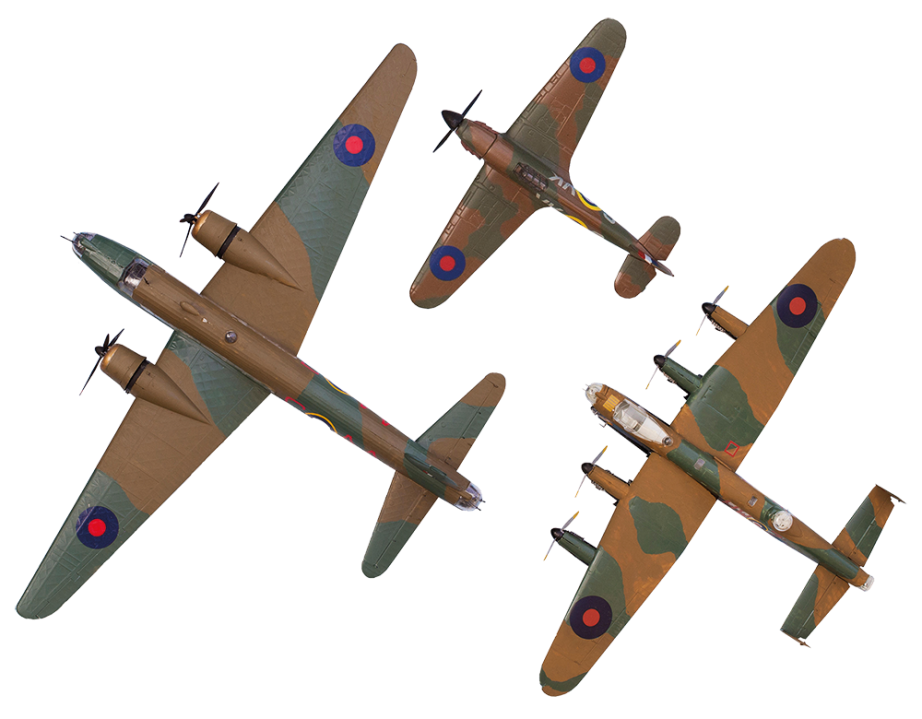


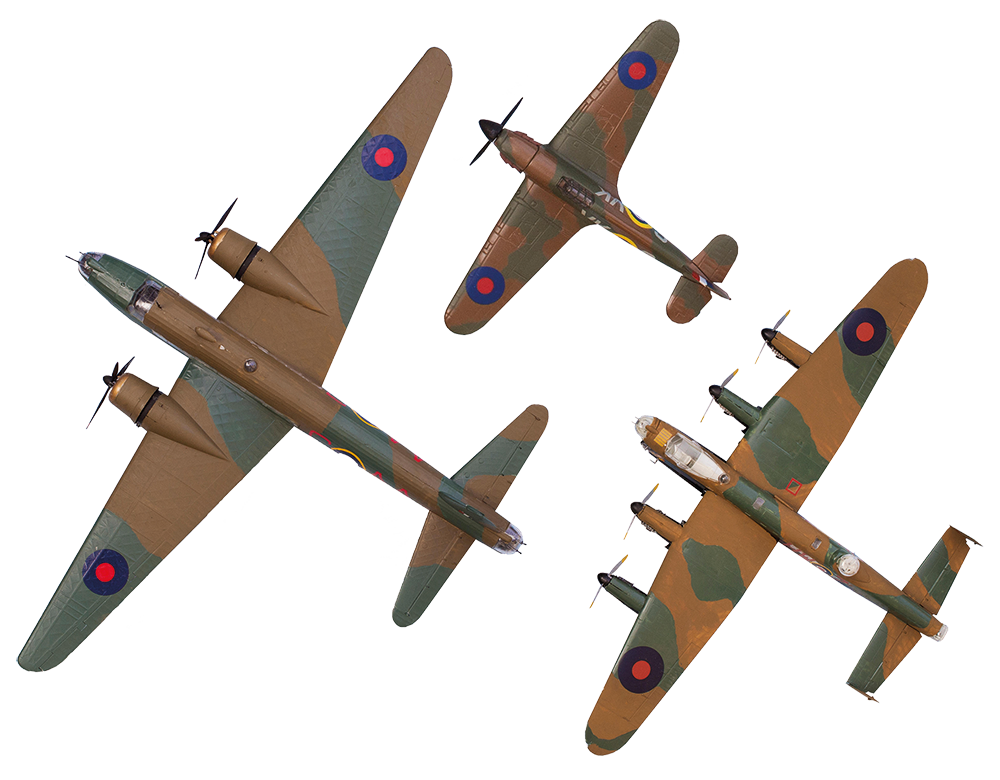
Last weekend, I sat in my kitchen to build and paint an Airfix model. I’d experimented before with mindful colouring and adult Lego, but this was my first try at the solo bachelor activity par excellence.
After a few hours of tugging, sticking and dabbing, I was quite impressed with my little Tiger 1 tank. The tread painting was a bit sloppy and the snapping of the turret unfortunate. But, for a kit that had cost me £8 in an Aldi middle aisle, it brought me tremendous joy – and not just because of the copious glue fumes I had inhaled.

I worry I might be a little too late to the party. Earlier this month, Hornby – the company behind Airfix, Scalextric cars and the eponymous model railways – announced it was facing a ‘severe’ cash shortage. Battered by tariffs, its US operation is shrinking, and Houthi attacks on Red Sea ships have delayed stock en route from Asia. As losses widen, Hornby is restructuring and has delisted from the London Stock Exchange.
Still, Airfix has weathered such crises before. The company was founded in 1939 by Nicholas Kove, a Hungarian immigrant, who believed that all successful companies have their names at the start of business directories. Airfix was the obvious tag for a manufacturer of inflated rubber toys. When there were rubber shortages during the war, Kove experimented with different products. By 1947, his company was Britain’s largest manufacturer of pocket combs.
Two years later, Airfix was asked to produce a model of a Ferguson tractor. It was too long and costly to assemble, so Kove came up with a handy wheeze: selling it as a kit so customers could make it themselves. After it was a hit in Woolworths, the company suggested a model of Sir Francis Drake’s Golden Hind followed by the Supermarine Spitfire, which has been the bestseller for seven decades. But, when the model was first released, it provoked complaints from former RAF personnel over design inaccuracies. John Edwards, one such modeller, convinced Airfix he could do a better job and served as its chief designer for 15 years.
The company’s golden years came in the 1960s and 1970s. Airfix Magazine sold for one shilling a piece, the acquisitions of Dinky and Meccano made the company Britain’s largest toy producer, and 20 million kits were produced a year. As tastes changed, Airfix endured decades of bankruptcies and mergers. Yet sales increased by 40 per cent during the first Covid lockdown. Stuck at home, many people turned to the glue, decals and second world war paraphernalia of their youths. Think of it as sourdough for blokes.
Today, enthusiastic modellers display their creations to thriving Airfix communities on Instagram and YouTube. Celebrity fans include James May and Iron Maiden’s Bruce Dickinson, whose childhood Airfix passion influenced his later career as a pilot.
Some friends have suggested that I switch to painting Warhammer 40k fantasy figurines – the world’s leading model wargame – but I think I shall stick with Airfix. My great-uncle died last week. He flew Vulcan bombers during the Cold War. If I can become skilled enough to build a replica of his aircraft, it would be a small form of tribute.




Comments