Zoe Alipranti

Why Eurosceptics still won’t be able to crash the EU Parliament

From our UK edition

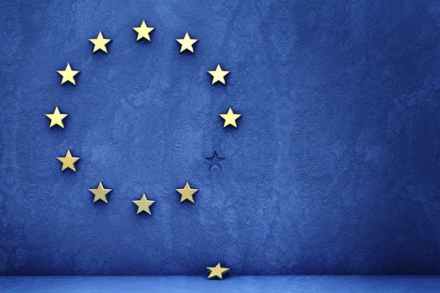
The results from the European parliamentary elections shows how EU politics is increasingly polarised. It also demonstrates how old party allegiances are fading in favour of loyalties for parties with more specific ideological and policy platforms. Against the backdrop of Brexit and divisions convulsing global politics, these elections – which have been marked by issues such as immigration and climate change becoming inextricably linked to the role of the EU – saw the highest participation in 20 years. Fragmentation that is shaking up politics domestically has been transferred to the European level. So what do these elections mean for the health of the EU project?
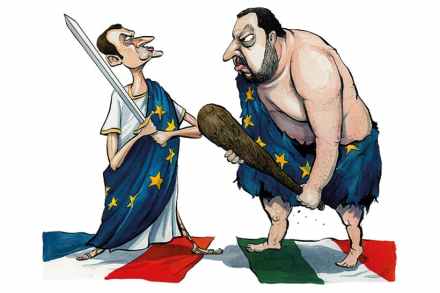
What Macron and Salvini get wrong about the future of Europe

From our UK edition

French president Emmanuel Macron and Italy's deputy prime minister Matteo Salvini don't have much in common, but on the importance of the upcoming European elections they agree. For Macron, the vote will be “decisive for the future of our continent”. And for the leader of Italy's right-wing populist Lega, “May 26 is a referendum between life and death. Those who are still sleeping should wake up.” Yet Macron and Salvini are wrong. Both have misinterpreted these elections and their significance for Europe's future. And the argument that these votes are a binary and existential struggle between pro-EU forces, led by Macron, and right-wing populists, led by Marine Le Pen and Salvini, is simplistic and self-serving.