Yvo Fitzherbert

Erdogan’s Islamist mobs know that their moment has finally arrived

From our UK edition

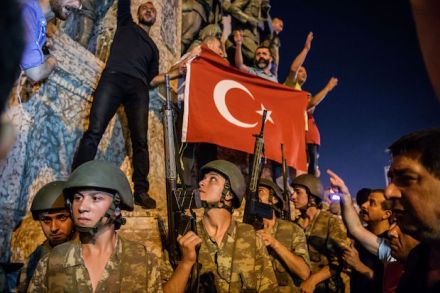
Late on Saturday night, just 24 hours after the attempted coup, hundreds of supporters of President Erdogan swarmed into Taksim Square – the pulsating heart of secular, modern Turkey – to celebrate their victory with shouts of Takbir - ‘Allahu Akbar’, meaning ‘God is Great’. Already the story – so hard to piece together – was being put in stone by the AKP mob. ‘We are here to tell the world that we won, and we are the real Turkey. This is a victory against those traitor Gulenists.’ Fethullah Gülen, an Islamic cleric based in Pennsylvania, was once a key ally of Erdogan but relations have been fraught for several years. Erdogan has accused Gulen of being behind the coup.
Desperate straits

From our UK edition

 Istanbul Shops in a rundown neighbourhood sell fake life jackets to refugees planning to brave the Aegean Sea. Last year, nearly 4,000 refugees died trying to make this journey. ‘But what am I to do?’ says Erkan, a shopkeeper, as he pushes me out of his shop. ‘I tell them they are fake but the poor souls continue to buy them. The genuine ones don’t sell so well.’ We’re in the suburb of Aksaray, the makeshift centre of the smuggling trade in the city. Here the language is Arabic and the restaurants are Syrian. A town square serves as a hub for migration brokers. This is where dreams are sold. Each night, hordes of Syrians fill the area, their lives on their backs, preparing for the dangerous journey ahead.

National pride is blinding Turkey to the threat from Isis

From our UK edition

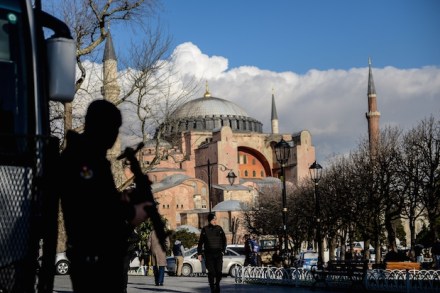
On Tuesday, Isis’s strategy in Turkey changed. Nabil Fadli, a 28-year-old Saudi national linked to Isis, blew himself up in the heart of Sultanahmet, a tourist district of Istanbul. 11 tourists were killed, including ten Germans. In some ways, it was familiar: this was Isis’s fourth successful attack on Turkish soil since June. Previous bombs, however, had targeted pro-Kurdish and leftist groups: one, last July, targeted Suruç in the Kurdish south-east; in October, another took over 100 lives in at a peace rally in Ankara. The perpetrators of both these attacks were traced back to an Isis cell in the Turkish city of Adıyaman, and the government was criticised for failing to respond to repeated local pleas for intervention earlier in the year.