William Astor

William Astor: Why voting Leave won’t mean we leave the EU

From our UK edition

It is difficult not to be Eurosceptic. The euro is in trouble, Greece has been bankrupted by Angela Merkel’s fiscal rules, and the Schengen agreement on open borders is collapsing as economic migration seems impossible to stop. Genuine refugees are sadly lost in the human tide of misery landing on the shores of Greece and Italy. And the democratic deficit which allows the European Union to be so unaccountable is leading to the rise of extreme nationalist political parties all over Europe. The result – Bulgaria has a lamentable justice system, Poland has introduced illiberal media laws and Hungary’s constitution has been hijacked. The EU is in danger of collapse unless it undertakes serious reform.

Peer review

From our UK edition

When I took my seat in the Lords as a very nervous 21-year-old, Manny Shinwell, the redoubtable Labour peer, welcomed me with the words ‘I knew your grandmother Nancy. She was a rebel like me. Enjoy yourself. You won’t be here long before they chuck you out.’ Forty-two years later I am still here — perhaps past my sell-by date. The House of Lords is bursting at the seams. The numbers must come down. And yet David Cameron must appoint more peers in the forthcoming honours list. Every Prime Minister in history, from Harold Wilson with his ‘lavender list’ to Tony Blair with his cronies, has caused controversy when creating peerages.

The SNP land grab

From our UK edition

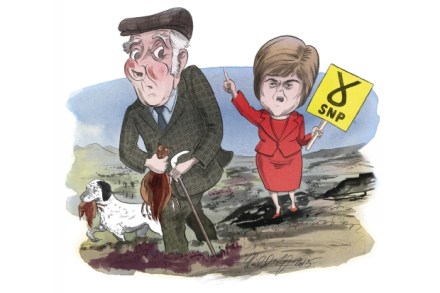
Just under 100 years ago the headline in the Oban Times read ‘American family buy lodge and estate on the Isle of Jura’. They were my grandparents, who, although by then British, had both been born in America. They bought our lodge from the Campbells of Jura, who had had the misfortune to lose their heirs one terrible morning in the trenches of the first world war. My grandparents were initially regarded with suspicion by the locals. Yet after investing in the estate, improving the crofters’ cottages, reroofing them from turf to slate, they became well liked within the community. They spent summers on Jura, and occasionally visited in winter. So did my father, my uncles and now my family — brothers, sisters, children, grandchildren and cousins.

William Astor: My father, his swimming pool and the Profumo scandal

From our UK edition

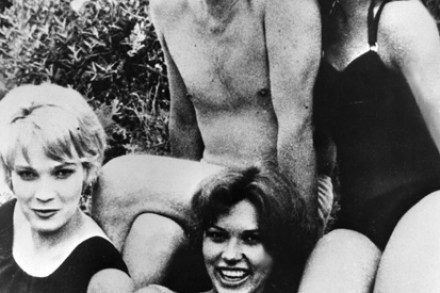
[audioplayer src="http://traffic.libsyn.com/spectator/TheViewFrom22_9_January_2014_v4.mp3" title="Richard Davenport-Hines discusses the Profumo affair's enduring appeal"] Listen [/audioplayer]Christine Keeler and Jack Profumo might never have met in the swimming pool at Cliveden if it had not been for a filly called Ambiguity. As children, growing up at Cliveden, we all swam in the Thames. In the summer, the river was cold, dark and full of sludge, but my grandmother Nancy Astor, a devout Christian Scientist, thought it good for us. Then Ambiguity, my father’s filly, won the Oaks and with the prize money a heated swimming pool was built — and the rest, as they say, is history.

Signal failure

From our UK edition

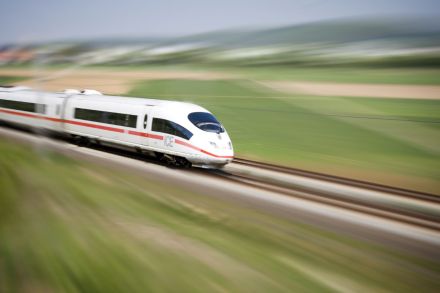
Rail privatisation by the Major government heralded the largest growth in passenger numbers in decades. This was down to improvements in service and a timetable to suit passengers, coupled with some attractive fare offers. But future growth of rail travel is unlikely to be at the same high rate and there we have the nub of the arguments around High Speed 2. The Department for Transport has been less successful in forecasting passenger growth than Gordon Brown was at forecasting economic growth — and that is saying something. Britain needs an integrated transport policy that includes road, rail and air, and it needs to address the so-called north-south divide. But Conservatives believe in choice, so users should be able to choose for themselves the most convenient way to travel.

Signal failure | 12 January 2012

From our UK edition

The latest Spectator is out today, and it contains an article by William Astor that attacks the government — and, by extension, David Cameron — over their decision to proceed with HS2. Given that it's causing quite a stir across the news agenda, we thought CoffeeHousers might like to see it for themselves:    Rail privatisation by the Major government heralded the largest growth in passenger numbers in decades. This was down to improvements in service and a timetable to suit passengers, coupled with some attractive fare offers. But future growth of rail travel is unlikely to be at the same high rate and there we have the nub of the arguments around High Speed 2.