Will Straw

The evidence shows that EU membership boosts our economy

From our UK edition

The Spectator is the latest publication to wade into the argument about facts in the EU referendum debate. As a campaign, we pride ourselves on using figures that come from expert sources like the Confederation of British Industry, the Centre for Economic and Business Research, The European Commission, the UK Government or bodies such as the Office of National Statistics. Indeed we make a virtue of publicly highlighting the sources we use to support our case. The £3,000 figure quoted in The Spectator's leading article is illustrative of the economic growth that arises from our membership of the EU and is an order of magnitude greater than the net cost. The £450 number is demonstrative of increased competition from open trade helping to lower prices.

Why the Right is wrong about ‘the green crap’

From our UK edition

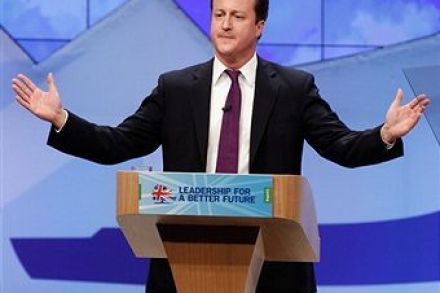
The Conservative flirtation with environmentalism was never much more than a branding exercise. Now it is over. Today David Cameron wants to ‘cut the green crap’. Perhaps the Prime Minister has been influenced by David Rose’s cover piece in last week’s Spectator — which encouraged the government to repeal the Climate Change Act, abolish its targets, and stop the Energy Bill coming into force. Strong stuff. But let’s suppose the government really were to follow Rose’s strategy, what would happen? A shale gas revolution? Don't bet on it. As the energy company Cuadrilla has admitted, domestic fracking would have an 'insignificant' impact on prices. The US, which has seen prices fall, is currently a closed market.

George Osborne isn’t working, we need a Plan B

From our UK edition

Although sometimes implied in public debates, deficit reduction and growth are not alternatives. Both are essential for Britain’s prosperity and economic stability. On either count, George Osborne is failing. In 2010, George Osborne inherited an economy that was growing at 0.7 per cent. Later that year he ignored the advice of many economists and set out plans to close the deficit within four years rather than eight. He also failed to set out a coherent growth plan, predicated on investment and jobs in the green economy that his party once championed. The result, plain for all to see, has been a double dip recession. The economy has contracted in each of the last three quarters and has eliminated all of the limited increases in GDP made in the first year of Osborne’s tenure.

Another voice: Why the strike is right

From our UK edition

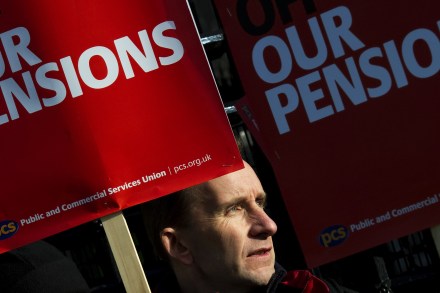
If I were a teacher, I’d be on strike today. Public sector workers are being asked — in what is now a well-rehearsed soundbite — to work longer, receive less, and pay more. In these austere times, with deficit reduction a necessity,  two of those three aims might be reasonable. But doing all three at once, and conflating the package with the spurious notion that public sector pensions are ‘unsustainable’, justifies the direct action being taken today.   The rise in contribution rates — in effect a three per cent tax rise — will be especially hard to bear for those on modest salaries who are already facing a prolonged pay freeze. A nurse, for example, can expect to pay an extra £1,000 per year.

Another voice: Five lessons from Conservative party conference

From our UK edition

Here's the latest in our Another Voice series of posts, which give prominence to viewpoints outside the normal Coffee House fold. This time it's the IPPR's Associate Director, Will Straw, with his five-point take on the fringe events of Tory conference, and the lessons that might be learned from them: 1. The Tories know that winning a working majority in 2015 is no easy task. The most popular fringe event according to Fringelist.com was ConservativeHome’s event on ‘How the Conservatives can win the next election.' Reflecting his remarks from the panel, YouGov’s Stephan Shakespeare wrote yesterday that, “today's electoral maths makes an overall a majority a mountain to climb”.