Violet Hudson

A work of art in more ways than one

From our UK edition

Neil Hegarty’s new novel, The Jewel, is a mass of contradictions. It’s about an art heist, but it’s not fun. It’s a love story,  but it’s not romantic. And it features a woman’s wasted life, but it’s not without salvation. The overarching plot follows three characters. John, a ‘seedy’ artist-cum-art-forger-cum-art-thief, has been commissioned to steal an important work (‘The Jewel’ of the title) from a newly re-opened gallery in Dublin. As he prepares for the job, he reflects on his life, from his lonely, suburban childhood by the Thames, scouting for washed-up dogs on the foreshore, to his early twenties at art school, living in a bedsit smelling of gas and in love with a worldly blonde.


Debs, dances and big-game hunting

From our UK edition

Anglea Huth, the broadcaster and author of some 18 books, has now written her memoirs, Not the Whole Story. And though it may not be the whole story, what a story it is. Huth is the daughter of the actor Harold Huth and the flighty Bridget Nickols, who had an amitié amoureuse with the King of Portugal and several affairs. Huth’s enjoyably monstrous grandmother, with a penchant for couture, a private account at the Bank of England and the world’s most valuable pearl, is vividly described. Once, in the V&A, she found a magnificent collection of... dozens of pieces in all, hand-cut glass that slightly pricks your fingers. Each piece was engraved with a VR; it had been made to celebrate Queen Victoria’s Silver Jubilee.

Has the bubble burst?

From our UK edition

I always suspected I disliked Jeff Koons, until I saw one of his monumental pieces at Frieze London a few years ago. Then it was confirmed. Cynicism seemed to ooze out of every millimetre of his vast, shiny sculpture. It was vividly apparent that this artwork wasn’t about beauty or transcendence or emotion. It was about money. Don Thompson’s The Orange Balloon Dog (the title is taken from the name of a Koons piece) is ostensibly about the contemporary art market. He details recent auctions, using the autumn 2014 sales — where buyers spent $1.7 billion in two days at Sotheby’s and Christie’s — as his starting point. But, as the subtitle would suggest, this is really a book about money: who has it, where they spend it, how they hide it.

The post-Brexit takeover bids begin

From our UK edition

UK workers are near the bottom of the wage-growth table compiled by the TUC, says the Independent. The average wage across 112 countries rose by 2.3 pc per year in the period 2008 – 2015. Meanwhile UK workers saw their wages fall by 1 pc. Great Britain comes 103rd in the table, ahead of the West Bank, Greece, Kenya and Iran and far behind France, Germany and Sweden. The lack of wage growth, coupled with soaring inflation, is likely to mean that many Brits find their disposable income will be squeezed to the point of non-existence. ‘[If the Government is] serious about the post-Brexit economy working for everyone, both decent wages and quality work must be the destination,’ said the TUC.

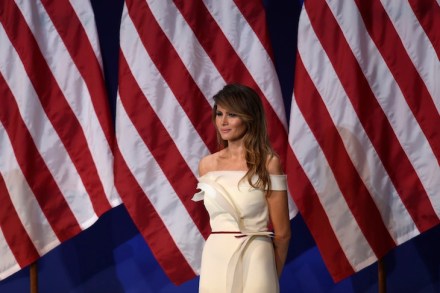
In defence of Melania Trump

From our UK edition

We all love Michelle Obama. Of course we do. For the last eight years she has been ‘mom in chief’ of America – and the world. She has personified grace, courtesy, warmth, humour and, not incidentally, shown us what a good marriage looks like. Tirelessly supportive of her husband, but successful in her own right, she has become a symbol of what a modern woman can be. She rose from a working-class background to attend Princeton and Harvard. She overcame racism and sexism to become a hugely successful lawyer. As First Lady, she was endlessly elegant and engaged, working to promote healthy eating, educational opportunity and women’s rights.

Trump, Theresa and trade wars

From our UK edition

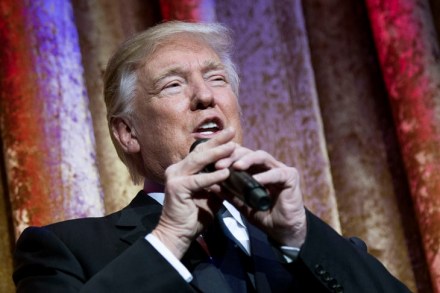
It’s inauguration day, and as the world watches with bated breath to see how President Trump’s first days in office pan out, the dollar is dwindling. Reuters reports that it fell 0.1 pc in the hours before Trump’s speech, which economists hope will shed some light on his economic policies. Hitherto, his pledges have been sketchy and inconsistent; some investors have paused trading to see whether he can adopt a more presidential tone in his speeches today. Anyone without their gaze glued to Washington will have been keeping a close eye on Davos this week, with the World Economic Forum closing today. Amid talks from renowned economic experts Shakira, Princess Beatrice and Matt Damon, Philip Hammond managed to get a word in yesterday.

Corporation tax, Facebook and Italian banks

From our UK edition

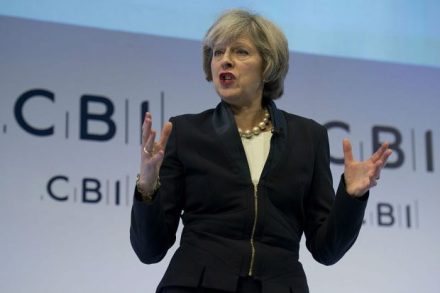
Corporation Tax The Prime Minister will today pledge to match the lowest corporation tax rates within the G20 -- even if that means sinking to President-elect Trump’s 15 percent, says The Times. At her conference speech, Theresa May seemed to signal that she would be cracking down on big business which saw tax as ‘an optional extra’. She also criticised companies that use cheap foreign labour over British workers. But now she is softening her stance on businesses, and will tell the CBI Annual Conference today that she plans to make the UK one of the most vibrant economies in the world by keeping tax rates low. Corporation tax currently stands at 20 percent, and is due to be reduced to 17 percent by 2020 under existing plans.

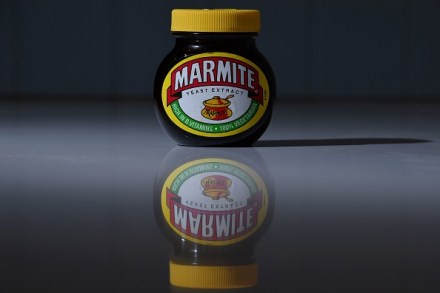
Money digest: ‘Marmite gate’ and Germany’s tougher stance on Brexit

From our UK edition

One and a half million households, many of them poor families or pensioners, are not on the correct energy tariff for their consumption says the Daily Mail’s This Is Money. The big six power giants – British Gas, EDF, Eon, Npower, Scottish Power and SSE – are overcharging by a net amount of £440 million per year, the paper says. Frank Field MP, who chairs the Commons Work and Pensions Select Committee, has written to the Prime Minister to draw attention to the issue. He said that ‘as a next move in protecting the vulnerable human underbelly of British society, the Prime Minister should take the first available opportunity to oblige energy companies to place all of their customers on the cheapest available tariff.

Mark Carney, car manufacturing and house prices

From our UK edition

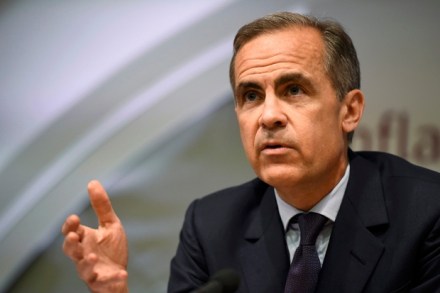
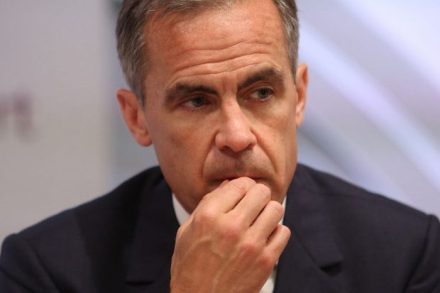
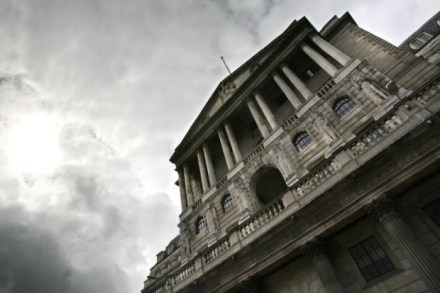
A new day, a new Brexit consequence. Several papers lead with the possible stepping down of Mark Carney, Governor of the Bank of England, who is reported to be considering quitting in 2018, five years into an eight year term. The Guardian discusses the criticism that Carney has faced due to his opposition to ‘leave’ during the Referendum campaign. Eurosceptic MPs Jacob Rees-Mogg and Lord Lawson, as well as arch-leaver Daniel Hannon MEP (who this morning scornfully described Carney as ‘a rockstar’), have been vocal in their denunciations of the governor. The week before last Michael Gove even went so far as to write an article comparing Carney to the Chinese emperor Ming.

Mark ‘Carnage’ reveals what he would do with all the money in the world

From our UK edition

China could be hurtling towards a banking crisis, reports The Telegraph. Citing a report from international financial watchdog The Bank for International Settlements, the paper says that the country is mired in debt, with the ‘credit to GDP’ ratio at 30.1 – leagues ahead of any comparable country. Historically, any number above ten was a surefire sign of crisis to come, and certainly required close supervision. Credit currently stands at 255 pc of GDP. This represents $28 trillion of loans – more than North America and Japan combined. A collapse of Chinese banking would send shockwaves through the world. The UK is ‘appallingly bad’ at supporting start-ups, says the BBC.

Money digest: Bad news for savers, good news for borrowers

From our UK edition

Savings accounts are disappearing rapidly as the expected cut to the base rate draws closer, says the Guardian. Moneyfacts, a data provider, found that 13 best buy savings deals were withdrawn in July – and have yet to be replaced. These include a three-year bond from Saga at 1.8 per cent and other deals from Virgin Money. The Post Office, too, has scrapped its top-paying three-year bond. Savers will be badly affected if the Bank of England cuts the base rate to 0.25 per cent as anticipated, the paper warns. On the other hand, borrowers are likely to do well. Moneyfacts found that mortgage rates have dropped to a new low of 2.48 per cent on an average two-year fixed rate deal – down from 2.68 per cent a year ago.

Money digest: Britain braced for ‘Super Thursday’ interest rate cut

From our UK edition

Britain’s financial status could be downgraded this week amid reports the Bank of England will cut interest rates on Thursday. The Guardian says that the Bank's Monetary Policy Committee will examine the latest growth forecasts and inflation report, and then make a decision on whether to cut interest. If they do, it will be the first time the rate has changed since it was set at 0.5 per cent in March 2009. Mark Carney, the governor, warned that a vote for Brexit could tip the UK into recession and the figures seem to back up this pessimism, according to the paper. In May, growth was forecast at 2.3 per cent, but economists now believe that it could be as little as less than one per cent. It is expected that the bank will cut interest rates to 0.25 per cent.

The brakes are put back on Hinkley Point

From our UK edition

The Times has investigated train fares and found that millions of passengers have been paying more for a whole journey than they would for its constituent parts. The findings come as rail company bosses set up meetings with the Department for Transport to seek approval for a new airline-style booking system. ‘Any measures to address the problem of complexity is good news,’ said Stephen Joseph of the Campaign for Better Transport. However Mark Smith, founder of seat61.com, has warned that fares will not necessarily decrease. ‘Simplification is not a panacea,’ he cautioned. More travel news and British Airways owner IAG has cut its profit forecast and targets, blaming Brexit and its attendant economic uncertainty.

Money digest: Lloyds axes 3,000 jobs

From our UK edition

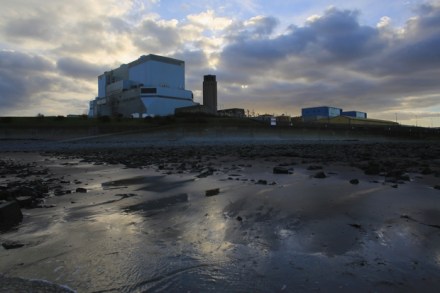
Lloyds bank is to axe 3,000 jobs in the UK and close 200 branches in an attempt to save £400m by the end of 2017. Chief executive António Horta-Osório said that ‘a deceleration of growth seems likely’ following the UK’s decision to leave the European Union. Nevertheless, in the six months to June the group reported pre-tax profits to £2.45bn – more than double their 2015 earnings. The board of French energy company EDF will meet in Paris later today to discuss whether to approve the Hinkley Point nuclear power plant plans – and they are likely to give the green light, reports The Guardian. The power plant, in Somerset, will create 25,000 news jobs and provide 7 per cent of the UK’s electricity.

Nick Clegg issues a Brexit warning

From our UK edition

Real earnings have fallen by 10.4 pc since the credit crunch began in 2007 says the Guardian – making Britain equal bottom on the wages growth table, alongside Greece. The Trade Union Centre found that over the 2007-2015 period wages have grown by 23 pc in Poland, 14 pc in Germany and 11 pc in France. The UK, meanwhile, has seen a fall, alongside Greece and Portugal. ‘Wages fell off the cliff after the financial crisis, and have barely begun to recover,’ said Frances O’Grady, the TUC general secretary. The Treasury hit back, saying that earnings are only one indication of living standards – levels of employment, taxes and benefits also come into play.

Are negative interest rates on the horizon?

From our UK edition

RBS and Natwest customers could be charged negative interest rates, reports the Independent. If the Bank of England cuts the base rate to below zero, 1.3 million business and commercial banking customers could be charged for investing with these banks. ‘Global interest rates remain at very low levels and in some markets are currently negative. Dependent on future market conditions, this could result in us charging interest on credit balances,’ said a letter sent to the companies. Baroness Ros Altmann, the outgoing pensions minister, said that negative rates could be dangerous – if people withdraw money from banks and keep it at home they are more likely to be at risk of crime.

The Waitrose effect and Mr Nobody, the new pensions minister

From our UK edition

A month on from Brexit and the effects on the economy are beginning to show, says the Guardian in a study of the present state of the nation’s finances. It’s mostly bad news: the pound is at its lowest since 1985, down 12 pc against the dollar and 9 pc against the euro – meaning holidays are more expensive than ever. The weak sterling also means that imported goods will be more expensive; last week Unilver was the first company to admit that the cost will be passed onto consumers. The FTSE 100 is up higher than pre-referendum levels, possibly because of a number of sales of UK-listed companies. The sale of chip designer ARM to a Japanese company last week is a case in point. On the plus side, unemployment is at its lowest level for more than a decade.

A stronger pound, Cuban coffee and ‘back yard’ funerals

From our UK edition

The pound has enjoyed its biggest one-day surge in value for eight years as investors bet on Britain remaining in the EU. And the FTSE 100 recorded its best day for a year as shares in British companies soared by £47.5 billion, the Daily Mail says. ‘Analysts said the rally was a sign that investors from around the world now expect Britain to remain in the European Union – allaying fears of an economic hit following Brexit,’ according to the paper, which has been vocal in its support of Britain leaving the EU. Sir Philip Green continues to come under fire from MPs, says the Times. The ex chief of BHS is accused of diverting money away from the pensions fund during the sale of the company.

Property, Heathrow and spending after Brexit

From our UK edition

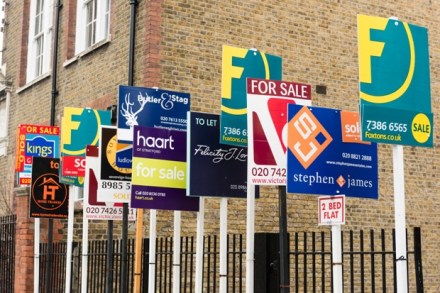
Property prices in England and Wales have hit a record high, says the Guardian. Prices are 5.5pc higher than they were in June 2015, reports a study by rightmove.com. The average house now costs £310,471. Deals are also going through with unprecedented alacrity: it now takes 57 days to sell a property, compared to 65 this time last year. The capital bucks the trend, for once, with expensive boroughs actually seeing property price plummeting. Richmond on Thames has seen a 10.2pc drop in average price month-on-month, while sellers in Kensington and Chelsea are 9.4pc worse off. Unemployment in the UK is at its lowest rate since October 2005, says the BBC. The Office for National Statistics said that unemployment in February to April had fallen to 1.67 million.

Money digest: today’s need-to-know financial news | 29 April 2016

From our UK edition

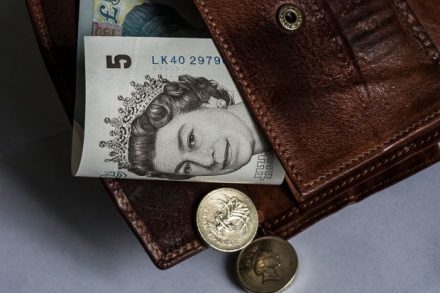
April is traditionally a squally month; it seems that there’s a shadow over our confidence as well. The Guardian reports a survey from market researchers GfK which shows that Britons have lost faith when it comes to personal finance, the UK economy and shelling out on big investments. The index was showing 0 in March, but for April has dropped to -3, down seven points from last year. There can be no sweeter feeling that putting your hand in the pocket of a long-neglected coat and feeling your fingers brush against a crisp banknote. But we’re stashing our cash in more and more bizarre places, according to the Daily Mail this morning.