Toni Saad

Conscientious objection is an important medical principle

From our UK edition

Something interesting is happening in the House of Lords. Baroness O’Loan’s Conscientious Objection (Medical Activities) Bill, now at the committee stage, has put on the agenda an issue which well-deserves to be there. Its point is simple: all healthcare professionals should have a legal right to opt out of certain procedures which they find objectionable. It specifies three areas: abortion provision, withdrawal of life-saving treatment, and actions relating to certain reproductive technologies. This is not particularly radical; the 1967 Abortion Act already explicitly protects conscientious objection. Indeed, it could even be asked why this should, in a country with a tradition of liberty like ours, even be up for debate.

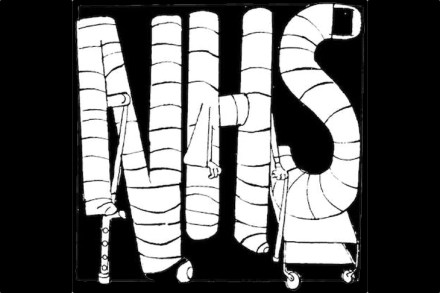
The NHS cannot heal itself

From our UK edition

Rationing did not end in the 1950s. The largest-scale rationing programme is still in existence: our beloved National Health Service. Its austere regime is part of our national life. We no longer queue for bread or sugar, but we most certainly do to see the doctor. We no longer wait in line at the butcher’s, but we do in A&E departments and on interminable lists for appointments and procedures. There are no books or coupons, but rationing it remains. Indeed, the government has announced it is withholding elective operations and routine appointments this month. Rationing by any other name would smell as sweet. And, like our drawn-out post-war rationing, it is ours alone.

Why won’t junior doctors just admit they want more money?

From our UK edition

Junior doctors are striking again: this time, for five days in a row over several weeks. This level of industrial action is without precedent in the history of the NHS. Even though I will soon be employed as a junior doctor under the terms of the contract, I think the decision to strike is scandalous. In the early stages of this row, it was possible to sympathise with junior doctors' discontent about having a contract imposed on them. Now it has become harder and harder to know what it will take to please them. The contract they were offered was a good deal — even the BMA said so. Yet for some junior doctors, it just wasn't good enough.