Tim Newark

Jam-packed with treasures: the eccentric Sir John Soane’s Museum

From our UK edition

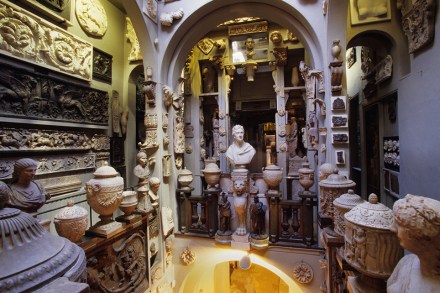
Sir John Soane’s Museum is one of London’s most eccentric buildings, containing a riot of classical fragments, paintings, architectural models and plaster casts jammed in to overflowing narrow galleries packed into a Georgian town house in Lincoln’s Inn Fields. Soane viewed it as a reflection of his busy intellect, ‘studies for my own mind’, he said, and Bruce Boucher’s new book reveals how the architect, famous for designing the Bank of England, put together the remarkable collection that visitors can still see today. The author was director of the Soane Museum from 2016 to last year, and his privileged access to its archives ensures we get an insider’s view of the quirky institution and its more than 40,000 eclectic objects.
The bizarre history of London’s private members’ clubs

From our UK edition

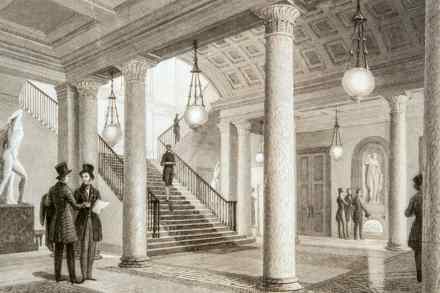
At the height of the IRA’s terrorist campaign on mainland Britain in December 1974, a bomb was lobbed through the front window of the In & Out – the Naval and Military Club, then in Piccadilly. Exploding, it knocked everyone off their feet, including the barman Robbins, and trashed the Long Bar. But in the silence that followed came the unwavering request of senior member Commander Vaughan Williams: ‘Another pink gin please, Robbins.’ A subsequent cartoon in the London Evening Standard depicted the scene of devastation (no one was injured or killed) with a mess-jacket-wearing member calmly wondering what the barman had put in his pink gin: ‘But I’ll have another!

Seagulls don’t deserve to be protected

From our UK edition

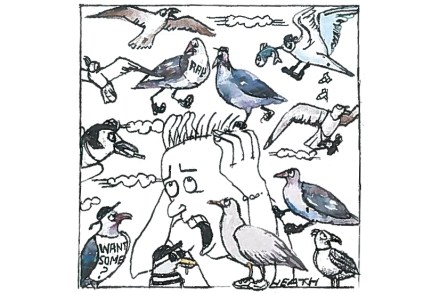
Thousands of city dwellers have to live with the noise and mess of urban gull breeding colonies. Often dubbed ‘flying rats’ because they gorge on garbage, gulls are protected by Natural England — a public body sponsored by the government — on the grounds that they are supposedly endangered. Anyone who has to put up with their dawn-shattering racket and profuse defecation can only wonder at the truth of this; and the fact is that it’s based on seriously flawed science. The wildly held belief (which also appears on the Natural England website) that the UK’s herring gull population has declined by 60 per cent is untrue.