Tim Gregory

Tim Gregory is a nuclear chemist and the author of 'Going Nuclear: How the Atom Will Save the World'. He is an Associate Fellow of Bright Blue


The true cost of Chernobyl isn’t what you think

From our UK edition

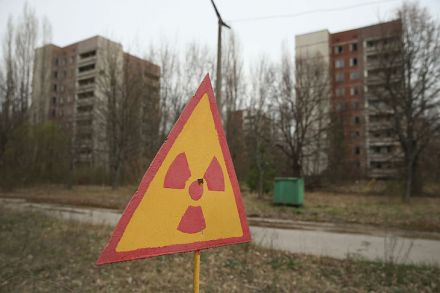
On the morning of the 28 April 1986, a worker at the Forsmark Nuclear Power Plant in Sweden set off the radiation alarm. The bottom of his shoe was contaminated. But the contamination hadn’t come from Forsmark. It had drifted from a reactor 780 miles to the south-east, still burning after it had exploded two days earlier: Unit Four at Chernobyl. The shoe was the first crack in the Soviet Union's attempt to hide the worst nuclear accident the world has ever seen. Europe’s coal hangover is one of the great energy-policy failures Exactly forty years on, how bad was it really? Thirty people died in the immediate aftermath: two from the explosion itself, the rest from acute radiation exposure. For context, more Brits fall to their deaths at work every year.

Wind power’s dirty secret

From our UK edition

We have just about made it out of the doldrums. I'm not talking about Britain's economic fortune. Nor am I talking about the NHS waiting list. (Both remain dire.) In true British form, I’m talking about the weather. Long our favourite subject of chit-chat, the weather has in recent years become the master of our power supply. At the turn of the new millennium, Britain had essentially no wind power in the grid. But over the past quarter-century, we’ve added 31 gigawatts of  capacity. That sounds impressive when you consider our average power demand is something like 37 gigawatts. It sounds less impressive when you remember those wind turbines only generate power when the weather allows. Which, of course, it sometimes doesn’t.

The inconvenient truth about Britain’s ‘nuclear renaissance’

From our UK edition

The Red Queen warned Alice, ‘Now, here, you see, it takes all the running you can do, to keep in the same place.’ Her quip captures a cruel reality: things decay all by themselves when left unattended; keeping up – let alone making progress – requires sustained effort. And so it goes with Britain’s decaying nuclear power programme. Britain's early lead in nuclear power slipped away as the 20th century pushed on Commercial nuclear power is a British invention. When Calder Hall began sending electrons into Cumberland’s grid in 1956, it became the world’s first commercial nuclear power station. In the dozen years that followed, Britain generated more nuclear power than the rest of the planet combined. But that early lead slipped away as the 20th century pushed on.