72
From our UK edition
From our UK edition
From our UK edition
From our UK edition
Israel’s dilemmaSir: Jeffrey Goldberg (‘Israel isn’t bluffing’, 10 March) is probably right, but if Israel does attack Iran, they are in a no-win situation. Iran is a large country some distance away. One or two bombing missions will have little effect — look at the weeks it took for Nato to degrade Libya’s defences. Either Israel fails, in which case that leaves it in a weak position, or else it succeeds in bombing Iran into submission, in which case Russia will have to upgrade Iran’s defences, probably helped by China, because an Israel so strong it could dominate the entire region would be unacceptable.
From our UK edition
Heated debateEric Joyce, MP for Falkirk, was fined and given a community order for butting a fellow MP in a Commons bar. Which countries’ national and regional assemblies are the most violent, according to the number of videos posted online over the past four years? Country Number of fightsUkraine 6Taiwan, South Korea 6Italy, India 3Russia, Somalia 2Argentina, Germany, Georgia, Israel, USA 1 Source: parliamentfights.wordpress.com On tapRising water bills have not resulted in enough investment to prevent a hosepipe ban. Are water bills higher in places with less rainfall?
From our UK edition
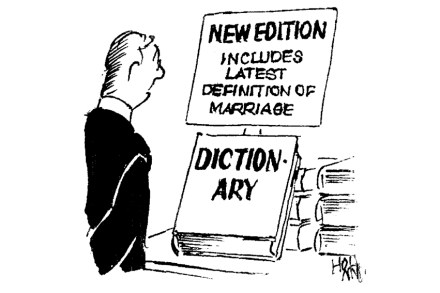
HomeDavid Cameron, the Prime Minister, on an official visit to the United States, joined President Barack Obama in declaring that their relationship was not just special but ‘a unique and essential asset’. The Queen began her Diamond Jubilee tour of the United Kingdom at Leicester, with the Duke of Edinburgh and the Duchess of Cambridge. George Osborne, the Chancellor of the Exchequer, put his mind to new government bonds of 100 years or more. In the face of government proposals to introduce marriage between people of the same sex, the Archbishops of Westminster and Southwark wrote a joint letter read out in pulpits about the Catholic ‘duty to do all we can to ensure that the true meaning of marriage is not lost’.
From our UK edition
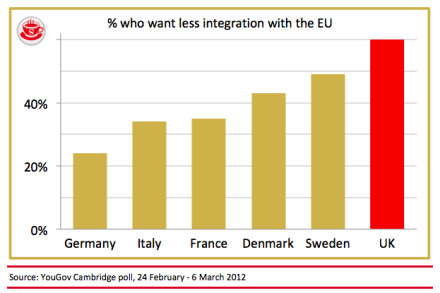
If an inquiry were to be launched into the excesses of the dentistry profession, it would not be conducted by a body made up entirely of dentists. You wouldn’t put a team of journalists in charge of the Leveson inquiry. Why, then, was Nick Clegg allowed to appoint a commission on a bill of rights — the body charged with reviewing Britain’s membership of the European Court of Human Rights — made up almost entirely of lawyers, and human rights lawyers at that? Was there ever any doubt that lawyers would argue for more complexity, and a system which protects their power? Almost every day in government, ministers are told they cannot make decisions because something or other is illegal under European law. It’s become the standard gambit, used to end discussions.
From our UK edition
Jacob Rees-Mogg, the Conservative MP for North East Somerset, is this week’s Bookbencher. He prescribes Psmith for all ailments. 1) Which book is on your bedside table at the moment? Paper Promises by Philip Coggan. This is a straightforward review of the current financial crisis in the context of a brief history of paper money and its instability. It argues that creditors will probably lose out to debtors as the crisis is solved. I am also reading M.R. James’ Collected Ghost Stories, which I have by my bedside in Somerset. It is a splendid series of short stories which he wrote to entertain friends after dinner. I was given this copy for Christmas. 2) Which book would you read to your children?

From our UK edition
The IPA’s Freedom Extravaganza Tour with Mark Steyn finished last week. Sold-out events across every mainland capital (sorry Hobart — next time.) Nearly 600 people in Melbourne for Steyn and Andrew Bolt onstage together and 600 for Steyn, Janet Albrechtsen and Tom Switzer in Sydney. Plus a dozen media interviews and an appearance for Mark on Q&A. (They probably call it Q&A because the audience asks the questions and Tony Jones gives the answers.) At our Spectator/IPA event in Sydney it was hard to know who was the bigger star: Steyn or John Howard. It took the former Prime Minister half an hour to get from the front door to his seat in the first row next to Janette.
From our UK edition
Here are some of the posts made on Spectator.co.uk over the past week: Fraser Nelson criticises Cameron's new plan to rig the housing market, and George Osborne's 100-year bond scheme. James Forsyth says Cameron will have to take on Ken Clarke if he's to appease the right on Human Rights, and says mayoral elections are a great opportunity for the Tories. Peter Hoskin reports on IDS's important call for a measure of 'social value', and analyses the latest polling to see what Europe thinks. Jonathan Jones says that rising gas prices may dent Obama's re-election hopes, and looks at the Lib Dem alternative to Beecroft's proposals. Freddy Gray sees Mitt Romney turning a bit sour as he fails to seal the Republican nomination.
From our UK edition
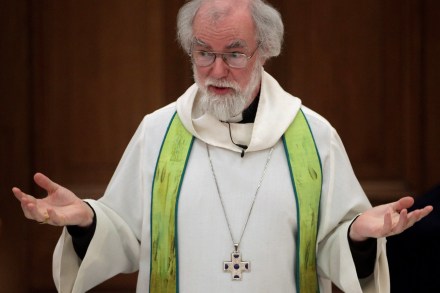
To mark today’s news that Rowan Williams will be stepping down as Archbishop of Canterbury, here’s a piece he wrote for The Spectator during the financial crash of 2008: Rowan Williams, Face it: Marx was partly right about capitalism, 24 September 2008 Readers of Anthony Trollope will remember how thoughtless and greedy young men in the Victorian professions can be lured into ruin by accepting ‘accommodation bills’ from their shifty acquaintances. They make themselves liable for the debts of others; and only too late do they discover that they are trapped in a web of financial mechanics that forces them to pay hugely inflated sums for obligations or services they have had nothing to do with.
From our UK edition
The latest issue of the Spectator is out today and it asks a question we’ve been pondering on the Book Blog: why are there so many Titanic books?Melanie McDonagh explains that ‘the Titanic offered any number of moral dilemmas to ponder in 1912. It still does.’ The disaster prompts us to ask how we and our society would behave. It is classic dinner party fodder. No wonder we’re still hooked. You can read Melanie’s article (and James Delingpole’s glowing review of Julian Fellowes’s new TV drama, Titanic) on the Spectator’s interactive App. The App is free and provides constant access to the Spectator’s rolling blog content. Magazine articles are free for magazine subscribers.
From our UK edition
IN ASSOCIATION WITH.
From our UK edition
...here are some posts made on Spectator.co.uk over the weekend: Fraser Nelson says it's no surprise that Clegg brilliantly outmanoeuvred Cameron on the ECHR. James Forsyth reports on Tory irritation with Vince Cable, and says Nick Clegg's conference speech was a preview of his 2015 election pitch. Peter Hoskin analyses three main areas of coalition tension: jobs, environment and tax, and looks at the latest post-2015 fiscal plans. Martin Bright says Vince Cable's right: the government does lack vision. Rod Liddle wonders about the sense of a council spending money teaching people how to use a phone. On the Book Blog, Patrick Mercer answers our literary questions.
From our UK edition
From our UK edition
From our UK edition
From our UK edition
From our UK edition
From our UK edition
From our UK edition