Serverfarm
From our UK edition
From our UK edition
From our UK edition
From our UK edition
From our UK edition
From our UK edition
From our UK edition
From our UK edition
From our UK edition
From our UK edition
From our UK edition
From our UK edition
From our UK edition
From our UK edition
From our UK edition
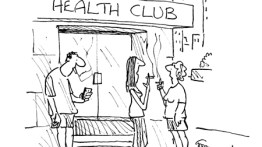
Faith and addictionSir: How right Damian Thompson is (‘Addict nation’, 26 May), and how shrewd of The Spectator to put the growing human disaster of addiction on its cover. We seem all too obsessed with euro crises and media intrigue to notice the even more ominous changes in our world. We are addicted to satisfying our impulses instantly. Mr Thompson steers clear of the language of religion, perhaps for sensible reasons. But it should be acknowledged that, while our moral collapse is facilitated by technology, the problem is spiritual at root. Judaism, Christianity, Islam, Buddhism and other religions teach self-restraint. Modern life does the opposite. Charles Taylor London SW15 Sir: Damian Thompson’s article rang true to me.
From our UK edition
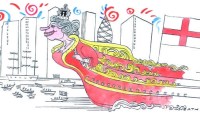
Imperial diamondThis week’s diamond jubilee celebrations will be hard-pressed to outdo those of Queen Victoria’s in 1897. — A diamond jubilee was supposed to be a 75th anniversary, but it was brought forward by the government as an excuse for a mass celebration aimed at promoting British trade. — On 22 June, the Queen was conveyed in a carriage along a six-mile route ending at St Paul’s, where an open air service was held so she did not have to disembark. — Six million were estimated to have watched the procession. For 400,000 of them, however, it was not necessarily just patriotism that spurred them to attend: they were plied with free ale and pipe tobacco supplied by grocer Sir Thomas Lipton.
From our UK edition
HomeThe government revised plans announced in the Budget to put VAT on warm Cornish pasties and supermarket rotisserie food, and reduced the proposed 20 per cent VAT on static caravans to 5 per cent. It launched an £82 million scheme to lend money (typically £2,500) to people aged between 18 and 24 who want to start a business. Baroness Warsi, the co-chairman of the Conservative party, referred herself to the Lords commissioner for standards after newspapers alleged that she claimed accommodation allowance while staying with a friend rent-free. A government internet service for people to discover how much income tax they pay broke down on its first day. Boris Johnson, the Mayor of London, said he would rather ‘die in a ditch’ than allow a third runway at Heathrow.
From our UK edition
As Britain prepares for a week of peaceful celebration, Syria will be bracing itself for more bloodshed. The Assad regime, perhaps emboldened by the knowledge that the west has no appetite to intervene in Syria, is becoming ever more brutal in its repression. The massacre in villages around Houla, where 108 were slain, most of them women and children, has shocked the world. The images of tiny bodies being prepared for burial pose an uncomfortable question for Britain. Is David Cameron prepared to intervene to stop the bloodshed as he did in Libya? For more than a year now, the West has mulled over its options. During that time Assad’s soldiers have killed more than 10,000 Syrians, and 20,000 are now in exile. The death toll and the accelerating exodus is focusing minds in Turkey.
From our UK edition
One of the funny men behind Spitting Image, HIGNFY and the website Newsbiscuit, John O'Farrell is this week's shelf lifer. He reveals which comic writers were his childhood staples, that he might pity-date Miss Haversham and what usually happens when he finds one of his own books in the bargain bin. John O’Farrell’s latest novel, The Man Who Forgot His Wife, is published by Doubleday. He tweets @mrjohnofarrell 1) What are you reading at the moment? I’m enjoying Skios by Michael Frayn – a compelling farce about a great public figure failing to get to a major speaking engagement. So easy to read, it must have been really hard to write. 2) As a child, what did you read under the covers?
From our UK edition
...here are some of the posts made on Spectator.co.uk over the weekend: Peter Hoskin says the IMF is losing patience with Greece, reports on UK Uncut's protest outside Nick Clegg's home, looks at the expenses allegations against Baroness Warsi, and watches the continuing tragedy in Syria. James Forsyth sees a shift in the government's thinking about the eurocrisis, and reports on how it is threatening the coalition's unity. Rod Liddle hopes Warsi has a good answer to her expenses allegations. And Nick Cohen says the Green movement is losing its goodwill.
From our UK edition