Eggs
From our UK edition
From our UK edition
From our UK edition
From our UK edition
From our UK edition
From our UK edition
From our UK edition
From our UK edition
From our UK edition
From our UK edition
From our UK edition
From our UK edition
From our UK edition
From our UK edition
From our UK edition
Legal squabbles Sir: Harry Mount’s angry and unfocused polemic (‘Against the Law’, 8 June), demonstrates a fundamental ignorance of the British legal system. That is surprising from a former barrister, even if he never practised after pupillage. British justice is revered worldwide, and for good reason. Rather than deal with the disastrous effects the proposals will have, should they be implemented, Mount’s invective is preoccupied with what barristers wear, rather than what we say. Barristers prefer to focus on evidence. What could be a bigger display of Big Government than the state charging you with a criminal offence and then allocating you a lawyer, whether or not they are suitable? That is what the legal profession is fighting.
From our UK edition
Souls on ice Three Oxford academics have revealed that they have paid to become cryonically preserved at death in the hope of one day being revived. A selection of the 117 clients lying in ‘patient care drawers’ at the Alcor Life Extension Foundation, Arizona: — Roy Schiavello, 30, programmer — Michael Louis Friedman, 32, lawyer shot by disgruntled client — Jim Glennie, hydrogeologist — Stanley Penska, 99, coal-miner turned building contractor — James Gallagher, 55, software developer — Edward Kuhrt, 65, private investigator — Paul Garfield, 93, second world war veteran, purchasing agent.
From our UK edition
Home Six men from the West Midlands — Omar Khan, Jewel Uddin, Mohammed Hasseen, Mohammed Saud, Zohaib Ahmed and Anzal Hussain — were jailed for 18 or 19 years on terrorism charges after planning to bomb an English Defence League rally in Dewsbury, West Yorkshire, last year. After a fire caused minor damage at the Darul Uloom Islamic boarding school in Chislehurst, Kent, Sir Bernard Hogan-Howe, the Metropolitan Police Commissioner, said: ‘We should not allow the murder of Lee Rigby to come between Londoners.’ Police clashed with protesters against the G8 summit who had taken possession of a house in Soho. A temporary custody centre for those arrested during the summit was built at Omagh, Co. Tyrone.
From our UK edition
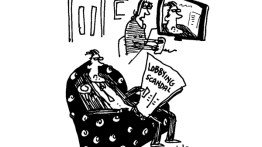
This week’s exposé of the US National Security Agency has been heralded as the greatest intelligence leak since the Pentagon Papers. It is nothing of the sort. Far from revealing some institutional outrage, the whistleblower Edward Snowden merely appears to have found what any low-level intelligence source might find. Intelligence agencies try to find things out about certain people. Spies spy, and can be innovative in their techniques. Rapid technological advances mean that the amount of snooping is growing at a faster rate than laws and regulations have been able keep up. But where is the scandal?
From our UK edition
From our UK edition
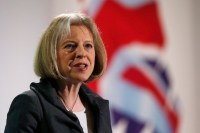
This is the full text of a speech delivered this week by Home Secretary Theresa May to the Reform think tank. We’re delivering more with less – so let’s have the courage of our convictions Thank you. A year or two ago I appeared on ‘Question Time’, and before the filming Shirley Williams introduced me to somebody. “This is Theresa May,” she said, “our first female Home Secretary.” I pointed out to Shirley that Jacqui Smith was Home Secretary in 2007, three years before me. So Shirley immediately looked at her friend and said, “This is Theresa May, our first tall female Home Secretary.” Thank you, Chris, for your more conventional introduction.
From our UK edition