Picasso 2
From our UK edition
From our UK edition
From our UK edition
From our UK edition
From our UK edition
From our UK edition
From our UK edition
From our UK edition
From our UK edition
From our UK edition
From our UK edition
From our UK edition
From our UK edition
From our UK edition
From our UK edition
Real help for those in pain Sir: The fickleness of existence is exemplified by the fact that being Tony Blair’s ex-flatmate puts you in the position of further eroding the moral fabric of the nation without ever having had stood for office. An advert for Charlie Falconer’s Assisted Dying Bill is rather cynically placed opposite Jenny McCartney’s nuanced examination of the implications of this potential legislation (‘Terminally confused’, 5 July). Among other points, Ms McCartney quite correctly reprises the ‘slippery slope’ argument, which in the case of legalised abortion turned out to have been prophetic. One of her issues is the involvement of medical staff.
From our UK edition
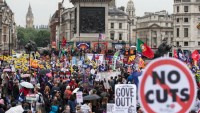
Public benefit Public sector unions held a strike over pay. How well are public-sector workers paid compared with their counterparts in the private sector? — Comparing jobs like for like, public sector workers earn between 2.2% and 3.1% more than private sector workers in April last year. — In the lowest-earning 5% of workers, public sector workers earned 13% more than private sector workers. — In the highest-earning 5%, public-sector workers earned 6% less than private sector ones. Source: ONS Fine, fine, fine Network Rail was fined £53 million for running late trains. We are used to public authorities fining us, but how much do they fine each other? £2.5m: Fine imposed upon York hospital by government for missing A&E targets.
From our UK edition
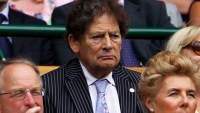
Listen to ‘Is climate change a factor in the recent extreme weather?’ on Audioboo It is only a matter of time before Nigel Lawson — if he is allowed on the BBC at all — has to have his words spoken by an actor in the manner of Gerry Adams at the height of the IRA’s bombing campaign during the 1980s. In the case of Mr Adams, whose voice was banned from the airwaves by the government, the BBC stood up for free speech. But it is quite a different story with Lord Lawson. The BBC has effectively banned the former chancellor (and former editor of this magazine) from appearing on its programmes to debate climate change, unless he is introduced with a statement discrediting his views.
From our UK edition
Home Theresa May, the Home Secretary, ordered a review, taking perhaps ten weeks, by Peter Wanless, the head of the National Society for the Prevention of Cruelty to Children, of how her department, the police and prosecutors handled historical child sex-abuse allegations. There would also be a large-scale inquiry by the retired judge Lady Butler-Sloss. These came in response to a ferment of speculation into what the late Geoffrey Dickens had alleged in 1984 in a folder of information he gave to Leon Brittan, then Home Secretary. In 2013 the folder was found not to have been kept. Rolf Harris, the entertainer, aged 84, was jailed for five years and nine months for 12 indecent assaults against four girls. Novak Djokovic beat Roger Federer to win the men’s singles at Wimbledon.

From our UK edition
From our UK edition
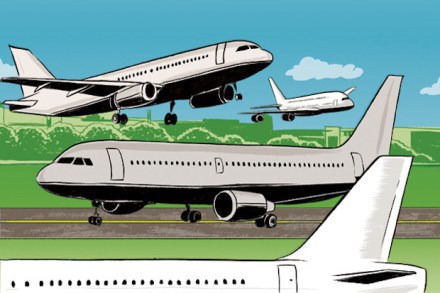
In this special View from 22 podcast, Fraser Nelson discusses the case for the expansion of Gatwick Airport. Guest speakers include Stewart Wingate, CEO of Gatwick Airport, Mark Reckless, Tory MP for Rochester and Strood and Karen Lumley, Tory MP for Redditch and a member of the Transport Select Committee.
From our UK edition