The Spectator

Spectator letters: The trouble with religion, alternatives to HS2, and whisky-drinking dogs

A history of persecution Sir: Colin Brown (Letters, 7 June) ignores some good reasons for keeping religion out of society. Small groups of believers are fine, but not totalitarian dictatorships. The early Christians were treated as heretics until 313 ad, when Constantine made what became the Roman Catholic Church the official religion of the Roman Empire. The church promptly started persecuting all other religious groups. In the Middle Ages the Church let loose the Inquisition and decimated civilised communities such as the Albigensians. As for his statement that ‘all religions have provided society with ethical and moral rules’, how ethical were the laws and morals that subjugated women and slaves and persecuted anyone who questioned the authority and dogma of the Church?

Portrait of the week | 12 June 2014

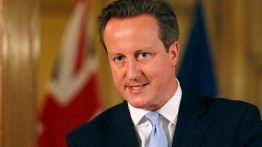
Home After an Ofsted inspection of 21 schools in Birmingham (none of them faith schools), against the background of allegations of attempts of a Muslim takeover in a so-called Operation Trojan Horse, David Cameron, the Prime Minister, joined Michael Gove, the Education Secretary, in seizing upon an observation by Sir Michael Wilshaw, Her Majesty’s Chief Inspector, that ‘all maintained schools and academies, including faith and non-faith schools, must promote the values of wider British society’. Five of the schools were put under ‘special measures’.

The new Iraq war

[audioplayer src="http://traffic.libsyn.com/spectator/TheViewFrom22_12_June_2014_v4.mp3" title="Former solider Tom Tugendhat and Fraser Nelson discuss ISIS in Iraq" startat=1758] Listen [/audioplayer]Seven weeks ago, Barack Obama proclaimed that ‘it’s time to turn the page on more than a decade of war’. The people of Iraq do not have this option. They’ve seen, in Basra, Iran-backed militias take on and defeat the British military. They’ve seen highly effective jihadis, disowned by al-Qa’eda for their brutality, take control of a major city, Fallujah, just 40 miles from Baghdad. This week they have seen their second city, Mosul, fall to that same band of psychopaths.

Video: London cabbies, Über alles

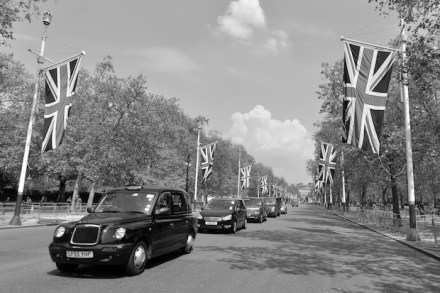
What's upsetting London cabbies? Is it really that Transport for London aren't fairly implementing the special privileges awarded to Hackney Carriages, or are they simply against a bit of healthy competition? According to some, it's all Goldman Sachs' fault, but can the iconic London taxi stem the tide of technological change forever? We sent The Spectator's intrepid Harry Cole down to the frontline of Wednesday's London taxi protests, conveniently located outside of 22 Old Queen Street, to find out more.

Cameron should stop the Tory wars – or send for the man who can

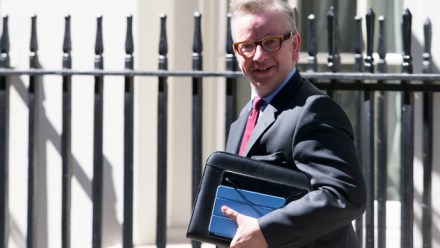
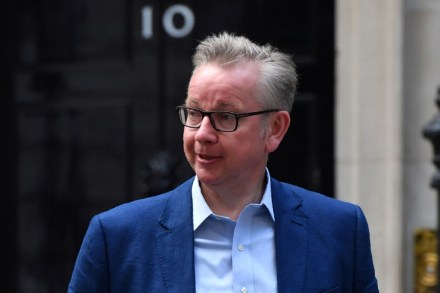
Modern Conservatives seem to be allergic to success. Every time things are going right, the party spasms. Sir John Major’s government nurtured a remarkable economic recovery, yet was beaten after its infighting appalled voters. In opposition, David Cameron acquired a habit of blowing opinion poll leads — a habit he did not, alas, shake off in time for the general election. And now, just as a Conservative victory at the next election looks likely, war has broken out again. What should have been a day of success for Michael Gove has ended in his being forced to apologise for briefing against officials in Theresa May’s department. And the Home Secretary, for her part, has lost a valued and highly effective special adviser: Fiona Cunningham.

Cut your energy bills with The Spectator

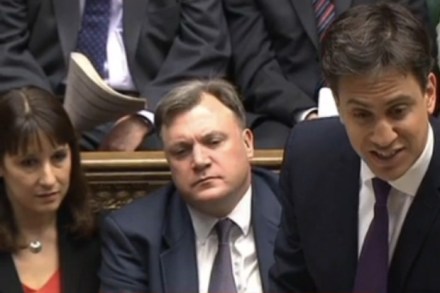
Here's something that you won't read often in The Spectator: Ed Miliband is right. Britain's energy market is broken, and a small number of big companies have the upper hand against consumers. But the solution, of course, isn't state intervention – it's more competition. That's why The Spectator is making its own foray into the market. Under new rules put in place by Ofgem, energy companies are being told to simplify their tariffs. But you can also get a special rate negotiated by a collective of consumers, and our plan is to get enough Spectator readers (and anyone else who wants a good deal) together and then negotiate – something that will be done by a start-up company called the Big Deal on Energy.